 Dost Pakistan Journeys Tours and safaris in the North & South Pakistsn
Related Articles



“`html
Attock Landslide: Unpacking Pakistan Railways’ Monsoon Vulnerabilities and the Call for Enhanced Passenger Welfare
The recent disruption of train services in Attock’s Jand area serves as a stark reminder of the persistent challenges faced by Pakistan Railways, particularly during the unforgiving monsoon season. While emergency teams swiftly responded to clear the debris and restore operations, the incident underscores deeper issues concerning infrastructure resilience, passenger welfare protocols, and the broader impact of climate change on national transport networks.
The News: A Familiar Scenario Unfolds in Attock
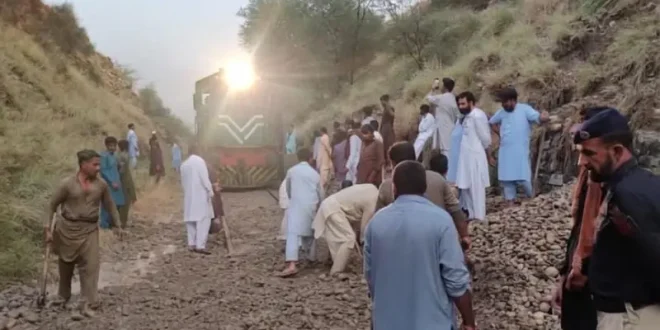
On a recent Friday, heavy rainfall triggered a significant landslide between Jhamat and Chhab railway stations in Attock’s Jand tehsil, a region in Punjab known for its rugged terrain. This natural event led to the immediate blockage of the crucial Attock–Mari Indus–Multan railway section, bringing train services to a standstill. Reports confirmed at least two passenger trains were halted, including the 202-Up passenger train at Jhamat Railway Station, leaving hundreds of travelers, including vulnerable women, children, and elderly individuals, stranded for hours.
While the railway authorities deserve commendation for the rapid deployment of maintenance teams and the eventual clearance of the track without any reported casualties, the incident highlighted significant distress among passengers. Frustrations mounted over the critical lack of basic amenities like drinking water and consistent, timely updates regarding the delay. Passengers vocalized a common sentiment: while safety is paramount, essential provisions and clear communication during emergencies are equally vital for mitigating inconvenience and anxiety.
Background: A Landscape Prone to Peril
The Attock region, situated in the western part of Punjab, is characterized by its hilly and undulating landscape, forming part of the broader Potohar Plateau and bordering the Kala Chitta mountain range. This geographical makeup, crisscrossed by railway lines often constructed through cuttings and tunnels dating back to the colonial era, inherently poses a risk during periods of intense rainfall.
Pakistan’s monsoon season, typically from July to September, brings with it torrential downpours that saturate soil, destabilize slopes, and significantly increase the likelihood of landslides and flash floods. The railway infrastructure, while a testament to engineering prowess of its time, faces an escalating challenge from these seasonal deluges. The recent Attock event is not an isolated one; just months prior, in April, a similar landslide in the Kala Chitta range near Attock also halted train services, demonstrating a recurring vulnerability that demands systematic attention.
Pakistan Railways plays a pivotal role in the country’s transport ecosystem, offering an affordable and essential mode of travel for millions, connecting major cities, and facilitating freight movement. The disruption of its services, therefore, resonates beyond mere inconvenience, touching upon the socio-economic fabric of the nation.
Impact on Pakistan: Beyond the Track Blockage
The implications of such incidents extend far beyond the immediate delay of a few trains:
- Economic Strain: Train stoppages lead to direct financial losses for Pakistan Railways due to ticket refunds, operational costs of emergency response, and potential damage to infrastructure. For freight services, delays disrupt supply chains, impacting industries and trade.
- Erosion of Public Trust: Recurring incidents, especially those marked by inadequate passenger welfare, chip away at public confidence in the railway system’s reliability and safety. This can push commuters towards alternative, often more expensive or less environmentally friendly, modes of transport.
- Development Hurdles: Reliable transport infrastructure is a cornerstone of economic development. Frequent disruptions hinder regional connectivity and impede the growth of areas dependent on rail links for commerce and travel.
- Infrastructure Maintenance Burden: The constant need to clear debris and repair tracks in vulnerable areas places immense pressure on Pakistan Railways’ maintenance budget and human resources, diverting funds from crucial modernization projects.
- Humanitarian Concerns: The welfare of stranded passengers, particularly the most vulnerable, during extended delays is a significant concern. Lack of water, food, and medical attention can exacerbate health issues and cause considerable distress, posing humanitarian challenges that infrastructure operators must be prepared for.
Analysis: Charting a Course Towards Resilience and Care
Addressing the challenges highlighted by the Attock landslide requires a multi-pronged approach that integrates proactive mitigation with robust emergency response and enhanced passenger welfare measures.
Proactive Mitigation and Infrastructure Resilience:
- Geological Surveys and Risk Mapping: Modern technology, including Geographic Information Systems (GIS) and remote sensing, can be leveraged to conduct comprehensive geological surveys along high-risk railway sections. This would help identify prone areas and predict potential landslide sites with greater accuracy.
- Slope Stabilization Techniques: Implementing engineering solutions such as retaining walls, shotcrete, wire mesh, and bio-engineering (e.g., planting deep-rooted vegetation) can significantly stabilize vulnerable slopes and cuttings, preventing soil erosion and rockfalls.
- Improved Drainage Systems: Effective drainage is crucial to prevent water accumulation that saturates soil and triggers landslides. Upgrading and regularly maintaining culverts and drainage channels along railway tracks is paramount.
- Early Warning Systems: Deploying sensors to monitor rainfall intensity, soil moisture levels, and ground movement in critical areas can provide early warnings, allowing for precautionary closures or slowed services before a major incident occurs.
Enhanced Emergency Response and Passenger Welfare:
- Standard Operating Procedures (SOPs): Pakistan Railways needs to establish and rigorously implement clear SOPs for managing train stoppages due to natural disasters. These SOPs must detail provisions for drinking water, basic refreshments, and medical assistance, especially for vulnerable groups.
- Effective Communication Channels: Regular, clear, and consistent communication with stranded passengers is essential. This includes frequent announcements via train public address systems, SMS alerts, and dedicated staff interaction, providing estimated delay times and reasons.
- Staff Training: Railway personnel, including conductors and on-board staff, should receive comprehensive training in crisis management, first aid, and effective communication strategies to reassure and assist passengers during emergencies.
- Inter-Agency Coordination: Establishing seamless coordination with local emergency services, district administrations, and humanitarian organizations can ensure a more robust and timely response in providing aid to stranded passengers.
The Attock landslide incident serves as a critical juncture for Pakistan Railways. It is an opportunity to not only fortify its infrastructure against the increasingly severe impacts of climate change but also to reaffirm its commitment to passenger safety and comfort. While the challenges are substantial, the imperative to ensure reliable and humane railway services for the nation’s populace is even greater.
Investing in resilience and preparedness today will pave the way for a more robust and trustworthy railway network tomorrow, ensuring that while nature’s fury cannot always be stopped, its disruptive impact on human lives can be significantly mitigated.
“`
### Self-Correction/Refinement during the process:
1. **HTML Structure:** Ensured the basic HTML structure (``, ``, `
`, ``) is in place. Added `lang=”en”` to `` for better accessibility.2. **SEO:**
* **Title Tag:** Created a more descriptive and keyword-rich `