Dost Pakistan Journeys Tours and safaris in the North & South Pakistsn
Related Articles
“`html
Tragedy in the Desert: The Perilous Journey of Afghan Migrants
The recent discovery of 14 Afghan migrants who perished in the scorching Nimroz desert while attempting to reach Iran serves as a stark and tragic reminder of the desperate realities driving perilous cross-border journeys. This incident, where individuals succumbed to the unforgiving elements after their vehicle broke down, highlights the immense risks faced by those seeking a glimmer of hope beyond their homeland.
The News: A Journey’s Fatal End
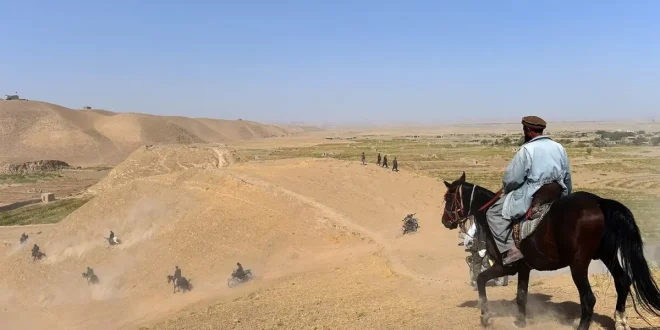
In a heart-wrenching account, 14 Afghan individuals, predominantly young men from Badghis province, were found buried beneath the sands of Afghanistan’s Nimroz desert. Weeks prior, their vehicle, bound for Iran, had suffered a mechanical failure. In a desperate attempt to continue their journey on foot, they ventured into one of the country’s hottest and most arid regions, where summer temperatures regularly exceed 45 degrees Celsius. The driver, barely surviving, managed to reach a village for help, leading to an initial discovery of five bodies. However, a subsequent search ultimately uncovered the remaining 14, marking a grim end to their arduous quest for economic opportunity.
Background: Understanding the Exodus from Afghanistan
The incident in Nimroz is not an isolated event but a tragic symptom of Afghanistan’s profound and ongoing humanitarian crisis. Decades of conflict, culminating in the Taliban’s takeover in August 2021, have plunged the nation into severe economic distress and political instability. Jobs are scarce, essential services are crumbling, and pervasive food insecurity leaves millions struggling to survive. For many, particularly young men, the prospect of earning a livelihood at home is virtually non-existent, pushing them towards neighboring countries like Iran and Pakistan in search of work and a better future.
Iran, with its larger economy and established Afghan diaspora, is a primary destination, offering perceived opportunities in construction, agriculture, and other labor-intensive sectors. However, legal avenues for immigration are extremely limited, forcing desperate individuals to rely on perilous irregular routes facilitated by human traffickers. These smuggling networks exploit the vulnerability of migrants, often exposing them to extreme environmental conditions, abandonment, and violence. The Nimroz corridor, bordering Iran, is a notorious gateway, infamous for its harsh climate – from scorching summers to freezing winters – making any unauthorized crossing inherently dangerous.
Impact on Pakistan: A Shared Regional Burden
While the immediate tragedy unfolded on the Afghan-Iran border, the underlying drivers and implications resonate deeply with Pakistan, another key neighbor grappling with the Afghan migration crisis. Pakistan shares a long, porous border with Afghanistan and has historically hosted millions of Afghan refugees and migrants for decades. The same factors compelling Afghans to seek refuge or opportunity in Iran – economic collapse, political instability, and humanitarian needs – also drive migration towards Pakistan.
For Pakistan, the influx of Afghan migrants, both registered and undocumented, presents significant challenges. Border management becomes increasingly complex, with security forces constantly battling human trafficking rings and the potential for cross-border criminal activities. The presence of a large migrant population places considerable strain on Pakistan’s resources, including public services, employment markets, and social infrastructure. Recent efforts by Pakistani authorities to repatriate undocumented Afghans underscore the scale and complexity of managing such a large migrant community. The Nimroz tragedy, therefore, serves as a grim echo of the shared regional burden, highlighting the critical need for coordinated efforts to address the root causes of migration and to combat ruthless human trafficking networks that profit from human desperation across both borders.
Analysis: The Unseen Cost of Desperation
The deaths in Nimroz are a devastating testament to the extreme lengths people will go to escape destitution and the ultimate price paid when hope turns to despair. This incident illuminates several critical points:
- Systemic Vulnerability: The lack of viable economic prospects and safe, legal migration pathways renders Afghan citizens profoundly vulnerable to exploitation. With few alternatives, individuals fall prey to smugglers who prioritize profit over human life, often providing inadequate transport and abandoning migrants in life-threatening situations.
- The Cruelty of Geography: The Nimroz desert, along with other border regions, is an unforgiving landscape. Migrants attempting these crossings are not just battling authorities but also the brutal forces of nature – extreme temperatures, lack of water, and vast, desolate terrain. This natural barrier often proves more lethal than any human impediment.
- The Illusion of Opportunity: For many, Iran represents an escape from poverty, an imagined land of opportunity. However, the reality for undocumented migrants is often one of exploitation, low wages, and precarious legal status, if they even survive the journey.
- A Call for Coordinated Action: While Afghan authorities express commitment to fighting human trafficking, the recurring nature of these tragedies suggests the need for more robust, effective, and regionally coordinated strategies. This includes not only law enforcement but also addressing the fundamental drivers of migration and exploring humane, legal pathways where possible. International support for Afghanistan’s stabilization and economic recovery is paramount to stem the tide of desperate migration.
The tragic deaths of these 14 young men serve as a poignant reminder that behind every migration statistic lies a deeply personal story of struggle, sacrifice, and often, profound loss. Until the root causes of instability and poverty in Afghanistan are adequately addressed, such heartbreaking stories are likely to continue, etching new lines of sorrow across the sands of its borders.
“`