 Dost Pakistan Journeys Tours and safaris in the North & South Pakistsn
“`html
Pakistan Braces for Monsoon Fury: An In-Depth Analysis of Flood Risks and Preparedness
The Impending Monsoon Threat: A National Overview
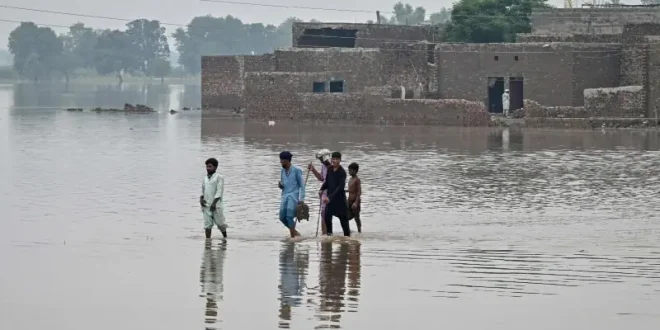
Pakistan is once again on high alert as the Flood Forecasting Division (FFD) of the Pakistan Meteorological Department (PMD) issues a grim forecast: heavy to very heavy rainfall is expected across significant parts of Punjab, Sindh, and Balochistan. This intense wet spell, anticipated to last until August 4-5, is triggered by a robust low-pressure system originating over southeast Rajasthan in India, synergizing with strong monsoon currents. The implications are widespread, ranging from surging river levels to widespread urban and flash flooding, prompting the Provincial Disaster Management Authority (PDMA) to intensify monitoring and issue urgent safety advisories.
Key concerns highlighted by the FFD include a significant increase in water flows in the eastern rivers – Sutlej, Ravi, and Beas – and their tributaries. Critically, the River Chenab is projected to reach low-to-medium flood levels at Head Marala, Khanki, and Qadirabad, with a potential for exceptionally high flood levels at Head Marala. Beyond the major rivers, vulnerable areas such as the hill torrents of Dera Ghazi Khan, streams in Khyber Pakhtunkhwa (KP) and northern Balochistan, face a high risk of flash flooding. Moreover, numerous cities across Punjab, including Rawalpindi, Lahore, Gujranwala, and Faisalabad, are bracing for significant urban flooding, a recurring challenge during the monsoon season. The latest rainfall data indicates Rawalpindi received the highest rainfall at 95mm in the past 24 hours, underscoring the immediate nature of the threat.
Monsoon in Pakistan: A Crucial but Perilous Cycle
The monsoon season holds a dual significance for Pakistan. On one hand, these seasonal rains are a lifeblood, critical for replenishing the country’s water reservoirs, supporting agriculture, and sustaining ecosystems. Pakistan’s agrarian economy heavily relies on monsoon precipitation for kharif crops and the overall hydrological cycle of its vast river systems, primarily fed by Himalayan snowmelt and monsoon torrents.
On the other hand, the monsoon brings an annual cycle of peril. Pakistan’s geographical landscape, characterized by towering mountain ranges, flat plains, and extensive river networks, makes it inherently vulnerable to floods. Flash floods are common in mountainous and semi-arid regions, while riverine floods pose a threat to densely populated plains. The country’s infrastructure, particularly in urban centers, often struggles to cope with rapid and intense rainfall, leading to overwhelmed drainage systems and widespread disruption.
Adding another layer of complexity is the undeniable impact of climate change. Over the past decades, Pakistan has witnessed an alarming increase in the frequency and intensity of extreme weather events. The devastating floods of 2010 and particularly the catastrophic deluge of 2022, which submerged a third of the country, displaced millions, and caused billions in damages, serve as stark reminders of this escalating vulnerability. These events underscore a shift from predictable weather patterns to more erratic and powerful monsoons, demanding a more robust and proactive approach to disaster management.
Anticipated Impact on Pakistan: Beyond the Water Levels
The impending wet spell carries a multi-faceted threat that extends far beyond just rising water levels. The anticipated impacts can be categorized across several critical sectors:
- Agriculture: Heavy rains can cause significant damage to standing crops, particularly in low-lying areas. Soil erosion due to flash floods can degrade agricultural land, impacting food security and the livelihoods of millions of farmers.
- Infrastructure: Roads, bridges, and communication networks are highly susceptible to damage. Urban flooding paralyzes cities, disrupts transport, commerce, and essential services. The strain on already fragile infrastructure can lead to long-term economic repercussions.
- Humanitarian Crisis: Flooding often leads to mass displacement, forcing communities to abandon homes. This creates urgent needs for shelter, food, and medical aid. The stagnant water and compromised sanitation systems also heighten the risk of water-borne diseases like cholera, dengue, and malaria, posing a severe public health challenge.
- Economic Disruption: Business operations, supply chains, and daily economic activities are severely hampered. The costs associated with emergency response, relief efforts, and subsequent reconstruction place immense pressure on the national exchequer.
- Environmental Degradation: Flash floods in hilly areas can trigger landslides, causing further destruction and altering landscapes. The influx of floodwaters can also impact local ecosystems.
- Water Management Challenges: While monsoons are vital for filling dams and reservoirs, uncontrolled floods can stress existing water infrastructure, posing risks to dam safety and efficient water distribution.
The PDMA’s continuous monitoring of river flows, dams, and barrages across Punjab, alongside its fresh monsoon safety advisory, reflects a crucial preventive stance. However, the sheer scale of the forecast demands collective action and vigilant adherence to safety guidelines by citizens.
Analysis: Navigating the New Normal of Extreme Weather
The latest monsoon forecast for Pakistan highlights several critical areas for analysis, particularly in the context of increasing climate variability:
- Effectiveness of Early Warning Systems: The detailed and timely forecast from the FFD is commendable. Such precise information is the bedrock of effective disaster preparedness, allowing authorities to pre-position resources, evacuate vulnerable populations, and issue timely advisories. The challenge lies in ensuring this information reaches every citizen, especially those in remote and high-risk areas, and translates into actionable safety measures.
- Urban Planning and Drainage Infrastructure: The recurring fear of urban flooding in major cities like Lahore and Rawalpindi is a stark indictment of inadequate urban planning and dilapidated drainage systems. Rapid urbanization, often unplanned, exacerbates the problem, leading to concrete jungles that struggle to absorb excess rainwater. Long-term investment in modern, resilient drainage infrastructure and adherence to strict building codes are essential to mitigate this annual crisis.
- Inter-Provincial Coordination and Cross-Border Influences: The origin of the current weather system over “southeast Rajasthan in India” underscores the trans-boundary nature of meteorological phenomena. While the news focuses on domestic impacts, it implicitly highlights the broader regional context of monsoon patterns. Domestically, effective coordination between provincial disaster management authorities (PDMA for Punjab, PDMAs for Sindh and Balochistan) is paramount for a unified and efficient response.
- Climate Resilience and Adaptation: Pakistan’s experience with the 2022 floods was a harsh lesson in climate vulnerability. This current forecast serves as another reminder that extreme weather events are becoming the “new normal.” A shift from reactive disaster response to proactive climate resilience and adaptation strategies is crucial. This includes investing in nature-based solutions, upgrading critical infrastructure, developing drought- and flood-resistant agricultural practices, and strengthening community-based disaster risk reduction programs.
- Public Awareness and Responsibility: The PDMA’s advisory urging citizens to observe safety precautions is vital. However, the effectiveness of such advisories depends on public awareness, understanding of risks, and a culture of preparedness. Keeping children away from floodwaters, avoiding unnecessary travel during heavy rains, and knowing emergency contact numbers are simple yet life-saving measures.
In conclusion, while Pakistan’s meteorological departments and disaster management agencies are issuing crucial warnings and preparing for the worst, the sustained threat of intense monsoons demands a deeper, more systemic response. This includes substantial investment in climate-resilient infrastructure, smart urban planning, enhanced inter-agency coordination, and a robust public awareness campaign. Only through such comprehensive strategies can Pakistan hope to navigate the increasing challenges posed by extreme weather and protect its citizens and economy from the devastating impacts of monsoon fury.
Disclaimer: This article is an original analysis based on the provided news summary and aims to add context, explanation, and background. It does not reproduce the news verbatim.
“`
