Dost Pakistan Journeys Tours and safaris in the North & South Pakistsn
Related Articles



Escalating Militancy in Khyber Pakhtunkhwa: An Analysis of the Tank Attack and Pakistan’s Enduring Security Challenges
The recent ambush in Tank district, Khyber Pakhtunkhwa (KP), which tragically claimed the lives of three traffic policemen and injured two passers-by, serves as a stark and grim reminder of the persistent and escalating security challenges facing Pakistan’s northwestern region. This incident is not an isolated event but rather a symptom of a broader resurgence of militancy, demanding a comprehensive analysis of its context, impact, and the strategic responses required.
The Recent Attack: A Grim Reminder of Vulnerability
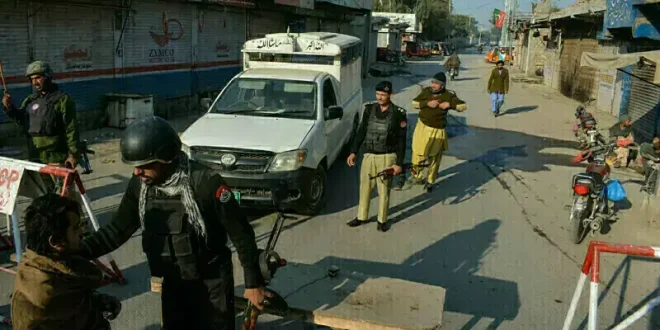
In a brazen assault in Tank’s Wazirabad Bazaar, unidentified armed assailants targeted a mobile van carrying traffic police personnel. The attack resulted in the immediate martyrdom of three policemen, highlighting the extreme risks faced by law enforcement officials on the front lines. The attackers, demonstrating alarming audacity, initially fled with the police vehicle, though it was later recovered. This incident immediately triggered extensive police operations, with roads sealed and search efforts launched to apprehend those responsible. The provincial governor swiftly condemned the attack, offering condolences and calling for immediate reports and enhanced medical care for the injured. Such targeted attacks underscore the vulnerability of local policing units and the constant threat under which they operate.
A Troubling Background: KP’s Persistent Security Quagmire
The Tank attack must be understood within the broader, deeply entrenched security challenges of Khyber Pakhtunkhwa. The district itself is strategically sensitive, bordering erstwhile Federally Administered Tribal Areas (FATA), regions that have historically served as safe havens and operational bases for various militant groups. The relative peace achieved after extensive military operations over the past decade appears to be under severe strain.
Recent data from the Pakistan Institute for Conflict and Security Studies (PICSS) paints a concerning picture: mainland KP recorded a significant increase in militant attacks last month, marking a 50 percent surge compared to the preceding month. This upward trend is palpable in the string of high-profile incidents that have rocked the province:
- Just earlier this month, a devastating attack on the Kohat Police Lines involved an explosives-laden vehicle and subsequent terrorist assault, resulting in the martyrdom of 21 individuals, including 15 police officials.
- In July, a joint police checkpost in Tank district itself was targeted, claiming 15 lives, predominantly security personnel, including 12 soldiers and two policemen.
- Another attack in the same month involved an improvised explosive device (IED), which martyred two police officers.
This pattern of attacks, particularly targeting law enforcement and security forces, indicates a deliberate strategy by militant entities to challenge state authority, undermine public confidence, and project their operational capabilities. While specific perpetrators are often unidentified immediately, the modus operandi frequently points towards groups seeking to destabilize the region and revert to a state of conflict.
Broader Repercussions: Impact on Pakistan
Beyond the immediate human tragedy, the escalating militancy in KP has profound and multifaceted implications for Pakistan:
-
Eroding Public Confidence and Morale
Frequent attacks on security personnel, especially local police who are the most visible representatives of the state, severely impact public trust and confidence in the government’s ability to ensure safety and maintain order. It also takes a significant toll on the morale of frontline law enforcement officers, who operate under constant threat.
-
Economic Strain and Development Hindrances
Security instability diverts crucial national resources from development projects to counter-terrorism operations. The affected regions, already economically vulnerable, become less attractive for investment, hindering local commerce, tourism, and essential infrastructure development. This perpetuates a cycle of deprivation that can inadvertently feed into radicalization.
-
Regional Stability and Cross-Border Dynamics
Pakistan shares a complex and porous border with Afghanistan. The resurgence of militant groups in KP raises concerns about regional stability and potential cross-border implications. The security situation in one country often has ripple effects on its neighbors, demanding coordinated regional approaches to counter-terrorism.
-
Political Fallout and Governance Challenges
The consistent security threats place immense pressure on both provincial and federal governments. It challenges their narratives of effective governance and security provision, potentially fueling political instability and distracting from other critical national priorities. The allocation of resources and political will towards security can also strain inter-provincial relations and central-provincial harmony.
Analysis: Understanding the Enemy’s Strategy and Pakistan’s Response
The Evolving Threat Landscape
The targeting of traffic police, often considered “softer” targets compared to heavily fortified military or specialized counter-terrorism units, suggests a deliberate strategy by militants to inflict casualties with relative ease while maximizing psychological impact. Such attacks aim to demonstrate that no part of the state machinery is immune, thereby fostering an environment of fear and insecurity. The temporary theft of a police vehicle, even if recovered, symbolizes an act of defiance and a challenge to state writ.
Challenges for Law Enforcement
Local police forces, particularly those in traffic management, are often less equipped and trained for high-intensity counter-insurgency operations compared to the military or elite police units. Their ubiquity makes them visible targets, and their daily duties expose them to significant risks. This highlights a critical need for enhanced protective measures, advanced training in counter-ambush tactics, improved intelligence sharing, and better equipment for all tiers of law enforcement in volatile regions.
Strategic Implications and Future Outlook
Pakistan’s response to this escalating threat must be multi-pronged. A purely kinetic approach, while necessary, is insufficient. Key areas for strategic focus include:
- Enhanced Intelligence and Surveillance: Strengthening human intelligence networks and leveraging technology for surveillance and pre-emptive action is paramount to disrupt militant planning.
- Fortifying Law Enforcement: Investing significantly in modernizing, training, and equipping local police forces across KP, making them more resilient and capable of operating in high-threat environments.
- Community Engagement: Rebuilding trust with local communities and fostering their active participation in counter-terrorism efforts is crucial. This includes addressing grievances, preventing radicalization, and promoting socio-economic development to reduce the allure of extremism.
- Border Management: Strengthening border controls and coordination with neighboring countries to prevent the movement of militants and resources remains a critical component of national security.
- Political Resolve and National Unity: A unified national strategy, backed by unwavering political will and consensus, is essential to tackle a threat that transcends provincial boundaries.
The Tank attack is a grim call to action, reminding Pakistan of the enduring battle against militancy. A comprehensive, integrated approach that combines robust security operations with socio-economic development and strengthened governance is the only viable path to achieving lasting peace and stability in Khyber Pakhtunkhwa and, by extension, across the nation.