Dost Pakistan Journeys Tours and safaris in the North & South Pakistsn

Related Articles



Resurgent Terrorism in Swat: Analyzing the Kabal Police Station Attack and Pakistan’s Security Challenges
The tranquil Swat Valley, a region that once bravely cast off the shackles of militancy, finds itself once again grappling with a renewed wave of terror. The recent suicide bombing at the Kabal police station, which tragically claimed the lives of at least 14 individuals, including dedicated police officials, signals a concerning escalation in the security challenges facing Khyber Pakhtunkhwa. This attack unfolds amidst rising public frustration and profound questions about the state’s capacity to maintain peace.
The Kabal Attack: A Grim Reality Check
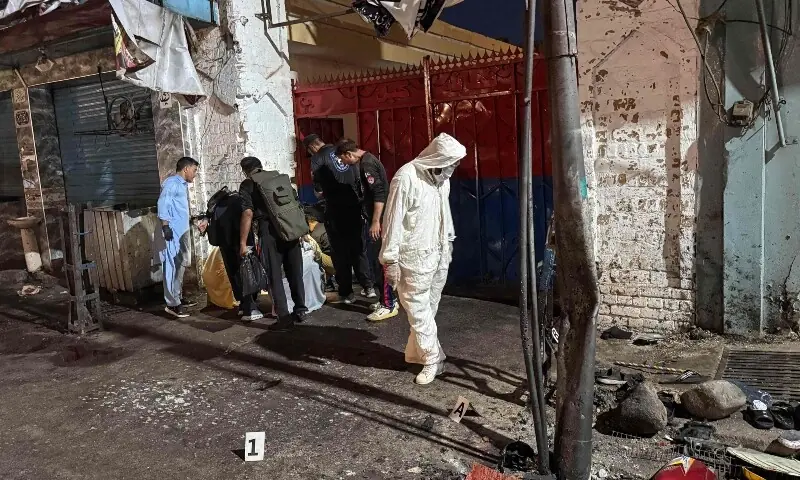
A suicide bomber targeted the Kabal police station in Swat, Khyber Pakhtunkhwa, martyring at least 14 people and injuring 18 others on Sunday. The attacker detonated explosives at the entrance after police personnel attempted to stop and search him, highlighting the constant danger faced by law enforcement. This horrific event occurred alarmingly close to Kabal Chowk, where a massive public demonstration was underway, with citizens protesting the palpable resurgence of terrorism in the Swat Valley and demanding immediate action from the government to ensure lasting peace.
Background: Swat’s Enduring Struggle and KP’s Security Downturn
Swat Valley holds a special, albeit painful, place in Pakistan’s recent history. Once a vibrant tourist destination, it descended into chaos in the mid-2000s under the brutal dominion of militant groups, primarily the Tehrik-i-Taliban Pakistan (TTP). The region witnessed widespread destruction, human rights abuses, and a severe disruption of daily life. Major military operations, most notably in 2009, succeeded in largely expelling the militants and restoring state authority, bringing a hard-won peace that residents deeply cherish.
However, the current attack is not an isolated incident but part of a disturbing pattern. Khyber Pakhtunkhwa (KP), the province encompassing Swat, has been experiencing a significant and sustained uptick in militant activity. Official reports indicate a staggering 105 percent increase in terrorism-related deaths in KP (excluding the merged districts) in July compared to the preceding month. This surge includes other high-profile attacks, such as an improvised explosive device (IED) blast in Peshawar injuring policemen, and a deadly assault on a police checkpost in Hangu that martyred nine officers, demonstrating a concerning increase in the operational capability and audacity of these groups.
Impact on Pakistan: Eroding Trust and Threatening Stability
The renewed wave of terrorism, particularly in regions like Swat that symbolize a victory against extremism, carries profound implications for Pakistan:
- Erosion of Public Trust: The concurrent public protest at Kabal Chowk underscores a critical issue: the growing disconnect and diminishing trust between citizens and the state. Protesters openly questioned why the government was perceived as acting against peaceful citizens while militants circulated videos unhindered, highlighting deep frustration with the perceived inability of authorities to safeguard lives and property. For a populace that suffered immensely under militant rule, any sign of its return is a grave betrayal.
- Economic Reversal: Swat’s post-2009 recovery was largely fueled by a revitalized tourism sector and agricultural activities. Renewed insecurity directly threatens this economic progress, deterring both local and international tourists and potential investors. This can exacerbate unemployment and poverty, creating fertile ground for disillusionment that extremist narratives can exploit.
- Strain on Law Enforcement and Security Forces: The repeated targeting of police stations and security checkposts places immense pressure on Pakistan’s frontline defenders. The sacrifice of officers in Swat and other parts of KP highlights the need for continuous upgrades in training, intelligence, equipment, and morale support for law enforcement agencies to effectively counter evolving terrorist threats.
- Political Ramifications: Security breakdowns inevitably become politically charged. The government faces intense public and opposition scrutiny to formulate and implement an effective counter-terrorism strategy. Failure to deliver tangible results could lead to widespread unrest and potentially destabilize the political landscape.
- Regional Dynamics and Cross-Border Challenges: While no group has claimed responsibility for the Kabal attack, the broader resurgence of militancy in KP is often linked to the regional security situation, particularly the post-2021 Afghan Taliban takeover. This event is widely believed to have emboldened groups like the TTP, allowing them greater operational freedom and potential sanctuary across the border, complicating Pakistan’s counter-terrorism efforts.
Analysis: Unpacking the Resurgence of Militancy
Several interconnected factors likely contribute to the alarming return of militancy in Swat and across KP:
- Afghan Taliban’s Influence: The withdrawal of international forces from Afghanistan and the subsequent return of the Taliban to power have undeniably provided a psychological and logistical boost to allied groups, including the TTP. This has created a complex border security challenge, making it difficult to contain militant movements.
- Failed Peace Initiatives: Previous attempts by Pakistani authorities to engage in dialogue or negotiate with certain militant factions have often been criticized for allowing these groups to regroup, rearm, and reassert their control, rather than leading to lasting peace.
- Intelligence and Operational Gaps: The ability of militants to plan and execute such sophisticated attacks, often with apparent local support or unchallenged movement, points to potential gaps in intelligence gathering, pre-emptive operations, and effective law enforcement responses in certain areas.
- Socio-Economic Disparities: While terrorism is not solely driven by economic factors, persistent issues such as lack of development, high unemployment rates, and a sense of marginalization among certain segments of the population can create vulnerabilities that extremist ideologies exploit.
- Weaponization of Social Media: The protesters’ concern that militants openly circulate propaganda videos online highlights the “hybrid” nature of this conflict, where physical attacks are augmented by psychological warfare and recruitment through digital platforms.
The swift condemnations from President Asif Ali Zardari, KP Governor Faisal Karim Kundi, and Chief Minister Sohail Afridi reflect the state’s official stance against terrorism. However, mere condemnation is insufficient. The situation demands a renewed, comprehensive, and consistent national counter-terrorism strategy. This strategy must integrate robust intelligence networks, decisive military and law enforcement operations, rigorous border management, and crucially, proactive efforts to rebuild public trust through transparent governance and socio-economic uplift. The poignant plea from Swat’s citizens — “Our children deserve education, and our families deserve to live in peace” — serves as a powerful reminder of the fundamental promise of security that the state owes its people.
The Kabal police station attack is a profound tragedy, underscoring the enduring and evolving threat of terrorism in Pakistan. For the resilient people of Swat, who have repeatedly demonstrated their rejection of militancy, this resurgence is a painful setback. The path forward demands more than just a military response; it requires a holistic approach that restores public confidence, addresses underlying grievances, and secures a future where peace is not a fragile dream but a tangible reality for all citizens. Only through unified resolve and effective action can Pakistan truly overcome this renewed challenge to its stability and prosperity.