Dost Pakistan Journeys Tours and safaris in the North & South Pakistsn
Related Articles


Lahore’s Drive for Safer Roads: Analyzing the Commercial Driver Verification Initiative
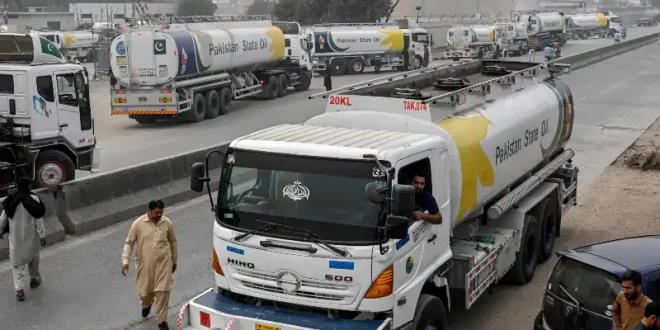
LAHORE: In a critical move to enhance urban road safety, the Lahore city traffic police have launched a comprehensive verification drive targeting the criminal records and driving histories of an estimated 348,000 commercial vehicle drivers. This decisive action comes in response to alarming data revealing that commercial vehicles, despite constituting merely five percent of the city’s total registered fleet, are implicated in a disproportionate 48 percent of all fatal road crashes. Led by Chief Traffic Officer (CTO) Syed Abdul Raheem Shirazi, this initiative aims to weed out high-risk drivers and enforce greater accountability among vehicle owners and transport operators, setting a potential new precedent for traffic management in Pakistan.
The News: A Data-Driven Call to Action
The announcement signals a significant pivot in Lahore’s approach to traffic management, moving beyond reactive measures to proactive prevention. The decision, forged during a high-level meeting chaired by CTO Shirazi, underscored the urgent need to address the rising trend of commercial vehicle-related fatalities. SP Headquarters Fakhar Bashir Raja has been tasked with an in-depth analysis of crash patterns to inform evidence-based interventions. The core of the strategy involves verifying criminal backgrounds, extensive driving histories, and the current licence statuses of all commercial and public service vehicle drivers. CTO Shirazi explicitly stated that individuals with criminal records, a history of repeated crashes, habitual traffic violations, or conduct posing a threat to public safety would be barred from operating commercial vehicles. Furthermore, the directive extends accountability to vehicle owners and transport unions, who now face legal repercussions for knowingly employing or facilitating unfit drivers. A parallel effort to crack down on individuals found operating vehicles with fake, forged, expired, suspended, or otherwise invalid driving licences also forms a crucial part of this multi-pronged strategy to enhance road safety in Lahore.
Background: Pakistan’s Persistent Road Safety Challenge
Road accidents remain a pervasive public health and economic crisis across Pakistan. While precise nationwide statistics can be challenging to consolidate, estimates from various sources suggest that tens of thousands of lives are lost annually, with many more suffering debilitating injuries, placing immense strain on the healthcare system and national productivity. This grim reality is often attributed to a confluence of systemic factors: inadequate road infrastructure maintenance, poorly maintained and un-roadworthy vehicles, lax enforcement of existing traffic laws, and a significant deficit in driver training and public awareness campaigns. Commercial vehicle operators, in particular, frequently face immense pressure to meet tight deadlines, often leading to dangerous practices such such as long working hours, driver fatigue, vehicle overloading, and aggressive driving behaviors. The existing licensing and enforcement mechanisms have frequently been criticized for their vulnerabilities, including instances of corruption and a lack of stringent background checks, which historically allowed individuals with questionable records or insufficient skills to obtain commercial driving permits. Lahore’s alarmingly high proportion of fatal crashes involving commercial vehicles is therefore not an isolated phenomenon but rather a stark reflection of these deeper, systemic issues plaguing road safety across the country.
Impact on Pakistan: A Potential Blueprint for National Safety
While immediately focused on Lahore, the implications of this rigorous verification initiative could resonate far beyond the provincial capital, potentially setting a new standard for road safety across Pakistan. If successfully implemented, sustained, and demonstrably effective, this process could serve as a vital blueprint for other cities and provinces grappling with similar critical road safety challenges. It represents a potential paradigm shift towards a more standardized, data-driven, and integrity-focused approach to commercial driver licensing and regulation nationwide. A significant reduction in road fatalities and injuries would translate into substantial socio-economic benefits for Pakistan, including alleviating the burden on healthcare services, decreasing economic losses due to disability and premature deaths, and bolstering public confidence in the transport system’s safety. Moreover, by fostering a much-needed culture of accountability among drivers and fleet owners, it could gradually elevate professional standards within the vital transport sector. However, scaling such an ambitious initiative nationally would necessitate substantial investment in technological infrastructure for efficient data management, seamless inter-agency cooperation (between police, transport departments, and the National Database and Registration Authority – NADRA), and robust mechanisms to prevent corruption and ensure consistent enforcement across Pakistan’s diverse administrative landscapes.
Analysis: Navigating the Road Ahead
The Lahore traffic police’s initiative is commendably ambitious and strategically sound, directly addressing a critical vulnerability in urban road safety. Its strengths are evident in its data-backed premise—targeting the 48% of fatal crashes—its holistic approach combining criminal record checks with detailed driving history and license verification, and its commitment to holding both negligent drivers and their enablers (vehicle owners and transport operators) accountable. This dual accountability model is particularly crucial, as it disincentivizes unsafe practices at multiple operational levels within the transport industry.
However, the successful execution and sustained positive impact of this drive hinge on overcoming several formidable challenges:
- Data Integration and Accuracy: Pakistan’s diverse and often fragmented record-keeping systems pose a significant hurdle. Ensuring accurate, comprehensive, and real-time access to criminal records, traffic violation histories, and current licensing data across various police stations, districts, and government departments will be paramount. The establishment of a unified, interoperable digital platform would be essential for efficiency and reliability.
- Enforcement Capacity and Resources: Verifying the records of 348,000 drivers is a monumental task demanding substantial human resources, cutting-edge technological tools, and sustained funding. Without adequate support and a long-term strategy, there is a considerable risk of the initiative losing momentum, becoming overwhelmed by its sheer scale, or falling victim to logistical bottlenecks.
- Resistance from Stakeholders: Transport unions, which often wield significant influence, may resist stringent new regulations, citing potential job losses, increased operational costs, or bureaucratic hurdles. Navigating this without paralyzing the city’s commercial transport network will require careful negotiation, transparent communication, and perhaps incentivization for compliance.
- Mitigating Corruption: Any process involving permits, certifications, and verifications in Pakistan faces the inherent and significant risk of corruption. Robust oversight mechanisms, digital tracking to minimize human intervention, and severe, swift penalties for complicity in fraudulent activities will be absolutely vital to maintain the integrity and effectiveness of the initiative.
- Addressing Root Causes: While critical, this initiative primarily focuses on identifying and penalizing problematic drivers. For long-term, sustainable improvement, it must be complemented by deeper investments in better driver training programs, regular and compulsory vehicle fitness inspections, significant improvements in road infrastructure, and potentially addressing the socio-economic pressures that often force commercial drivers into unsafe practices, such as low wages and unrealistic deadlines.
- Sustainability and Follow-up: This cannot be a one-time campaign. A permanent, institutionalized system for continuous verification, re-evaluation, and ongoing monitoring of commercial drivers and vehicle owners is necessary to ensure lasting change and prevent a reversion to previous unsafe practices.
In conclusion, Lahore’s proactive stance against dangerous commercial driving is a commendable and necessary step towards creating safer roads and reducing fatalities. Its success will not only save countless lives but also establish a crucial precedent for systematic improvements in transport safety across Pakistan. Yet, the journey ahead is fraught with challenges that demand unwavering political will, technological innovation, robust anti-corruption measures, and a collaborative spirit among all stakeholders to transform this ambitious vision into a tangible and lasting reality.