Dost Pakistan Journeys Tours and safaris in the North & South Pakistsn
Related Articles

Pakistan’s Fuel Price Chess Match: Diesel Up, Petrol Down, and Daily Volatility
July 30, 2026
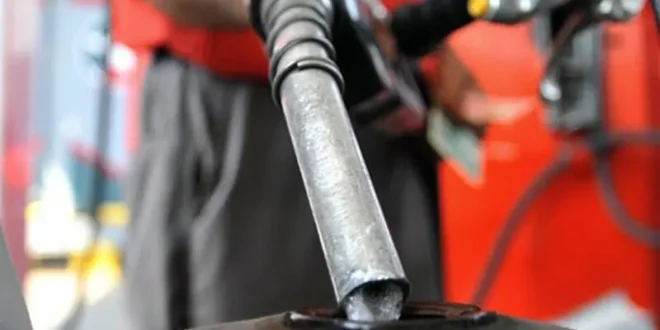
In a move reflecting the persistent volatility of global energy markets, the Pakistani government has announced a notable increase in the price of high-speed diesel (HSD) by Rs2.24 per litre. Concurrently, petrol prices saw a marginal reduction of just 75 paisas per litre. These adjustments, effective July 30, 2026, set the new retail price for HSD at Rs390.62 per litre and petrol at Rs335.06 per litre.
This latest revision comes amidst a crucial shift in Pakistan’s fuel pricing policy, moving from weekly to a daily mechanism. The decision, spearheaded by the Petroleum Division and implemented by the Oil and Gas Regulatory Authority (OGRA), aims to more accurately reflect rapid fluctuations in international oil prices, particularly in the wake of renewed geopolitical tensions in the Persian Gulf. The change signifies a proactive, albeit potentially disruptive, approach to managing Pakistan’s energy economy.
The Geopolitical Backdrop: A Crisis Unfolding and its Energy Repercussions
The current state of Pakistan’s fuel market cannot be understood without acknowledging the profound impact of the US-Iran conflict, which escalated dramatically on February 28, 2026. This geopolitical confrontation, particularly its implications for the Strait of Hormuz, a critical chokepoint for a substantial portion of the world’s oil supply, sent shockwaves through global energy markets.
- The Strait of Hormuz: A Global Chokepoint: This narrow sea lane, connecting the Persian Gulf with the Arabian Sea, is arguably the most important oil transit choke point globally. With millions of barrels of oil passing through daily, any threat or disruption to its passage directly impacts global supply and, consequently, prices. The US-Iran hostilities immediately heightened concerns about supply continuity.
- Peak Crisis Prices and Economic Strain: The immediate aftermath of the conflict saw unprecedented surges. On April 3, 2026, both petrol and diesel reached their all-time peaks: petrol at Rs458.41 per litre and diesel soaring to Rs520.35 per litre. These figures starkly contrast with pre-crisis levels of approximately Rs266 for petrol and Rs281 for diesel, recorded just before the conflict intensified. This period of extreme prices imposed immense pressure on Pakistan’s economy and its citizens.
- From Weekly to Daily Pricing: Initially, the government responded with weekly price revisions and calls for fuel conservation. However, the sustained volatility and the need for a more immediate response to international shifts led to the cabinet’s decision to adopt a daily pricing mechanism. This delegates the responsibility to OGRA, aiming for greater transparency and responsiveness to market trends, but also introduces a new layer of complexity for consumers and businesses.
Impact on Pakistan: Navigating Economic Headwinds
The recent price adjustments and the new daily pricing structure will inevitably have widespread economic and social ramifications across Pakistan:
- Inflationary Pressures Intensified: The increase in diesel prices is particularly concerning for the national economy. Diesel is the backbone of Pakistan’s logistics and transportation sector, fueling heavy vehicles, trucks, and buses that move goods across the country. A rise in diesel costs directly translates into higher freight charges, which then cascade into increased prices for essential goods, food, and other commodities. This will exacerbate existing inflationary pressures, disproportionately affecting lower and middle-income households who are already struggling with rising living costs.
- Transportation and Logistics Sector Strain: Businesses reliant on heavy transport will face immediate challenges in managing operational costs. This could lead to reduced profit margins for transporters or, more likely, a transfer of these increased costs to consumers, further fueling a cycle of price hikes.
- Agricultural Sector Vulnerability: Diesel is crucial for various agricultural activities, powering farm machinery and irrigation pumps. Higher diesel prices will increase input costs for farmers, potentially leading to higher food prices for the consumer or reduced agricultural output if farmers cut back on essential activities due to prohibitive costs.
- Impact on Power Generation: Many industries and backup power generators in Pakistan rely on diesel for electricity. An increase in its price will raise operational costs for these sectors, potentially impacting industrial output, job creation, and overall economic growth.
- Marginal Petrol Relief: While the 75 paisa reduction in petrol offers some psychological relief, its impact on the average household budget for private vehicles and two-wheelers is negligible compared to the broader economic implications of the diesel hike. The chart clearly shows petrol prices are still significantly higher than pre-crisis levels.
- Dealer Opposition to Daily Pricing: The All Pakistan Dealers Association’s rejection of the daily pricing mechanism highlights genuine operational challenges. Daily changes require constant updates to fuel pumps, complex inventory management, and introduce an element of uncertainty that can be difficult for small and medium-sized businesses to absorb effectively.
Key Takeaway:
Despite recent fluctuations, current fuel prices remain significantly above their pre-crisis baselines from February 2026, putting continued strain on both consumers and businesses in Pakistan.
Analysis: Navigating a Turbulent Energy Future
Pakistan, as a net importer of crude oil and petroleum products, remains profoundly vulnerable to international oil price shocks. The ongoing US-Iran conflict has served as a potent reminder of this fragility. While the move to daily pricing by OGRA aims to achieve real-time reflection of global market dynamics, its effectiveness in mitigating domestic economic distress is a subject of intense debate.
The Dilemma of Daily Pricing:
The government’s intent with daily revisions is likely to prevent the accumulation of massive subsidies or sudden, overwhelming price hikes. However, for a developing economy like Pakistan, constant price fluctuations can be a double-edged sword:
- Uncertainty for Businesses: How will transporters, manufacturers, and farmers effectively plan their budgets and operations when their primary energy input cost changes every 24 hours? This constant uncertainty can stifle economic planning, investment, and growth.
- Consumer Anxiety: The psychological impact of daily changes can be significant. While minor reductions might be welcomed, frequent increases can erode public confidence, purchasing power, and contribute to overall economic pessimism.
- Market Stability vs. Transparency: The policy prioritizes immediate market transparency, but at what cost to domestic market stability and predictability, which are crucial for business confidence and consumer welfare?
Broader Implications and Future Outlook:
The current scenario underscores Pakistan’s urgent need for a robust, long-term energy strategy. Continuous dependence on imported fossil fuels, especially amidst global geopolitical instability, presents an ongoing economic liability. Diversification into reliable and affordable renewable energy sources, investment in energy efficiency across all sectors, and exploring alternative transportation methods become not just environmental goals, but critical pillars of economic resilience and national energy security.
Furthermore, the government’s ability to implement transparent and effective targeted relief measures, such as the previously announced subsidized fuel initiatives, will be crucial in cushioning the blow for the most vulnerable segments of society. However, sustained subsidies are financially challenging and often unsustainable without significant fiscal space and robust targeting mechanisms.
In conclusion, while the minor petrol price cut offers a brief respite, the substantial diesel hike and the shift to daily pricing signal a future of continued energy market volatility for Pakistan. The nation’s economic stability will heavily depend on its ability to navigate these global currents while implementing pragmatic policies that protect its citizens, foster sustainable growth, and enhance long-term energy independence.
“`