Dost Pakistan Journeys Tours and safaris in the North & South Pakistsn
Related Articles


Pakistan’s Fuel Price Volatility: Navigating Geopolitical Ripples and Domestic Economic Strain
Daily fuel price adjustments signal a new era for Pakistan’s economy amidst escalating regional tensions and the persistent challenge of inflation.
The Immediate Impact: Fuel Prices Soar and Daily Revisions Begin
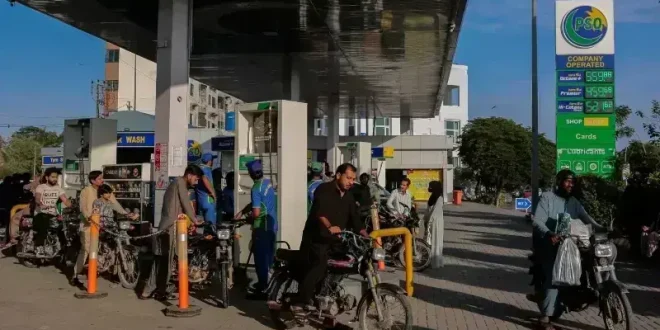
In a significant move poised to reshape daily economics across Pakistan, the government announced an immediate increase in petrol and diesel prices. Petrol saw a rise of Rs5.44 per litre, bringing its new price to Rs316.15, while diesel surged by Rs31.05 per litre, settling at Rs354.35. These revised prices, effective from July 18th for a three-day period until July 20th, are a direct response to rising global oil costs and heightened import premiums, largely attributed to renewed regional tensions.
Beyond the immediate hike, the most notable development is the shift to a daily fuel price adjustment mechanism. Petroleum Minister Ali Pervaiz Malik confirmed that the Oil and Gas Regulatory Authority (Ogra) would now be responsible for determining and publishing fuel rates daily. This unprecedented move aims to reflect international market trends more accurately, particularly in light of escalating hostilities between Iran and the United States in the strategically vital Persian Gulf region.
This policy pivot follows a period of intense volatility. Earlier this year, petrol and diesel prices had reached record highs of Rs458.41 and Rs520.35 respectively by April 3rd, after an upward trajectory that began in late February with the initial outbreak of the US-Iran conflict. The government had previously moved from fortnightly to weekly price revisions and had also introduced conservation measures and targeted fuel subsidies to mitigate the impact on citizens.
However, the new daily pricing model, designed to ensure greater transparency by requiring Ogra to detail the factors influencing prices, has not been met with universal approval. The All Pakistan Dealers Association has already voiced its rejection and is contemplating protest actions, citing potential logistical and operational challenges.
Consumers already bear a substantial burden, with the government currently levying approximately Rs105 per litre on both products through various charges, including customs duty, petroleum levy, climate support levy, and inland freight equalisation margin. Given that petrol fuels private transport and two-wheelers, while diesel powers heavy transport, agriculture, and power generation, these adjustments will inevitably ripple through nearly every sector of the economy and household budget.
Behind the Numbers: Geopolitics, Global Markets, and Pakistan’s Vulnerability
To understand the latest fuel price adjustments and the shift to daily revisions, it’s crucial to examine the complex interplay of international geopolitics and global energy markets, particularly as they pertain to Pakistan’s energy security.
Escalating Tensions in the Persian Gulf
The “renewed hostilities between Iran and the US” cited by the Petroleum Minister are the primary catalyst for the current market instability. The Persian Gulf is not merely a body of water; it is the world’s most critical oil transit chokepoint, with a significant portion of global crude oil and liquefied natural gas (LNG) passing through the Strait of Hormuz. Any escalation in conflict, naval confrontations, or threats to shipping lanes in this region immediately sends shockwaves through international oil markets. Fear of supply disruptions leads to increased risk premiums, pushing crude oil prices upward. Pakistan, heavily reliant on imported oil, directly absorbs these increased costs, making its domestic economy highly susceptible to geopolitical volatility thousands of miles away.
Global Oil Market Dynamics and Import Premiums
Global crude oil prices are a delicate balance of supply and demand, influenced by geopolitical events, production decisions by OPEC+ nations, and global economic forecasts. For importing nations like Pakistan, the cost of crude oil is further compounded by “import premiums” – additional charges incurred due to specific purchasing agreements, logistical costs, and market conditions for refined products. When global crude prices surge, import premiums often follow suit, exacerbating the financial strain on the importing country.
Pakistan’s Persistent Energy Dependency
Pakistan’s economy remains structurally dependent on imported fossil fuels for its energy needs, including transportation, power generation, and industrial activity. This fundamental reliance means that the nation’s economic stability is intrinsically linked to the unpredictable gyrations of international oil markets and the strength of its own currency. Fluctuations in global crude oil prices, therefore, have a direct and immediate impact on the country’s import bill, foreign exchange reserves, and ultimately, the domestic cost of living.
Evolving Government Strategy for Price Management
The government’s journey to the current daily pricing model reflects a continuous struggle to manage energy costs. Initially, fuel prices were revised fortnightly. As international markets became more volatile, particularly after the initial US-Iran conflict erupted in February, the government shifted to weekly revisions. Alongside these adjustments, measures for fuel conservation and targeted relief schemes were introduced, indicating an earlier attempt to soften the blow of rising prices through managed interventions and subsidies. The transition to daily pricing marks a significant departure, signaling a move towards a more real-time pass-through mechanism, likely driven by the unsustainable fiscal burden of absorbing price differentials.
Ripples Through the Economy: The Far-Reaching Impact of Fuel Price Volatility
The latest fuel price hike and the unprecedented shift to daily revisions will send significant ripples throughout Pakistan’s already fragile economy, affecting everything from household budgets to national fiscal stability.
Intensifying Inflation and Cost of Living Crisis
Perhaps the most immediate and profound impact will be on inflation. Fuel is a foundational input cost for almost all goods and services. Higher petrol prices directly translate to increased transportation costs for commuters, small businesses, and the vast segment of the population relying on two-wheelers and rickshaws. Similarly, the substantial increase in diesel prices will severely impact the heavy transport sector, making it more expensive to move goods across the country. This will inevitably lead to higher prices for essential commodities, food, and industrial products, further exacerbating the cost of living crisis that many Pakistanis are already grappling with. Inflationary pressures will be felt across the supply chain, from farm to market.
Challenges for Businesses and Industries
- Transport and Logistics: Trucking companies, inter-city buses, and local delivery services will face rapidly escalating operational costs, which will be passed on to consumers.
- Agriculture: Diesel is crucial for powering tractors, irrigation pumps, and machinery. Higher diesel prices will increase farming costs, potentially leading to higher food prices and reduced agricultural competitiveness.
- Manufacturing and Industry: Many factories and industrial units rely on diesel generators for backup power due to frequent outages. Increased diesel costs will raise production expenses, making Pakistani goods more expensive domestically and less competitive internationally.
- Small and Medium Enterprises (SMEs): Often operating on tight margins, SMEs will find it particularly challenging to absorb or quickly adapt to daily fuel price fluctuations, impacting their profitability and sustainability.
Government Finances and Revenue Strategy
While passing on global price increases directly helps the government avoid accumulating massive fuel subsidies – a common drain on the national exchequer – it also presents a double-edged sword. The government currently levies significant taxes and duties (around Rs105/litre) on petroleum products, which are major revenue earners. However, persistent high prices and economic slowdown can depress demand, potentially impacting overall revenue collection. The move to daily pricing, while fiscally prudent, signals the government’s diminished capacity to absorb international shocks without passing them to the public.
Public Sentiment and Social Repercussions
The announcement of daily price revisions has already met resistance from the All Pakistan Dealers Association, signaling potential disruptions in fuel supply chains through protests. More broadly, continuous upward adjustments in fuel prices can fuel public discontent and frustration. In an environment of already high inflation and economic uncertainty, this can lead to social unrest and political instability, making governance even more challenging.
Operational Headaches for Dealers
For fuel station owners and distributors, daily price changes introduce significant operational complexities. Managing inventory, adjusting pump prices multiple times a week (or even daily), and mitigating potential losses on existing stock purchased at higher rates present substantial logistical and financial challenges, which is likely a key driver behind the dealers’ threat of protest.
Navigating the Storm: Analysis of Pakistan’s Fuel Price Strategy
Pakistan’s decision to implement daily fuel price revisions marks a critical juncture in its economic policy, driven by the harsh realities of global energy markets and domestic fiscal pressures. This strategy, while aiming for transparency and fiscal stability, presents a complex trade-off between national solvency and public welfare.
The Rationale: Fiscal Prudence Amidst Global Chaos
The shift to daily pricing is fundamentally a move towards fiscal prudence. For years, governments in Pakistan (and many other developing nations) have struggled with the dilemma of absorbing international oil price hikes through subsidies or passing them on to consumers. Absorbing these costs often leads to ballooning fiscal deficits, increased borrowing, and a drain on foreign exchange reserves – issues Pakistan can ill-afford given its current economic vulnerabilities. By opting for daily adjustments, the government aims to ensure that domestic fuel prices directly reflect global market realities, thereby preventing the accumulation of massive subsidy bills and bringing greater predictability to government finances.
Furthermore, the directive for Ogra to publish not only the rates but also the factors influencing them is a significant step towards transparency. In a country often plagued by accusations of opaque pricing mechanisms, this move could help build public trust and understanding regarding the necessity of price changes, potentially reducing speculation and conspiracy theories.
Challenges and Consequences of Daily Volatility
While fiscally rational, the daily pricing model introduces substantial challenges:
- Uncertainty for Consumers and Businesses: Daily fluctuations make budgeting incredibly difficult for households, transporters, and businesses. This unpredictability can stifle economic activity, as businesses struggle to plan costs and pricing strategies.
- Exacerbated Inflationary Psychology: In an already high-inflation environment, constant news of price increases, even if minor, can create a pervasive inflationary psychology, where consumers anticipate further hikes and businesses preemptively raise prices, creating a self-fulfilling prophecy.
- Operational Hurdles for Dealers: The All Pakistan Dealers Association’s swift rejection highlights legitimate operational concerns. Managing inventory with prices changing every 24 hours can lead to significant losses for dealers who purchase stock at one price and are forced to sell it at a lower, revised price, or face customer backlash if prices rise sharply. This could disrupt supply chains and potentially lead to shortages if dealers decide to hold back stock.
- Limited Scope for Demand Management: While high prices are expected to curb demand, daily changes might not be as effective in promoting long-term behavioral shifts towards conservation as more stable, albeit higher, pricing.
The Broader Picture: Addressing Root Causes
The daily price adjustment mechanism is a symptom management strategy, not a cure for Pakistan’s underlying economic and energy challenges. Long-term solutions require a multi-pronged approach:
- Energy Diversification and Self-Reliance: Reducing reliance on imported fossil fuels is paramount. This necessitates aggressive investment in renewable energy sources like solar and wind, exploration of domestic oil and gas reserves, and promoting energy efficiency across all sectors.
- Economic Stability and Currency Strength: A stronger, more stable local currency would naturally cushion the impact of international oil price fluctuations. This requires broader economic reforms focused on boosting exports, attracting foreign investment, and improving fiscal discipline.
- Targeted Social Safety Nets: While passing on costs to the general public, the government must continuously refine and expand its targeted subsidy programs and social safety nets to protect the most vulnerable segments of society from the severe impact of rising essential costs.
- Public Transportation and Infrastructure: Investing in efficient and affordable public transportation systems can reduce reliance on private vehicles and, consequently, on petrol, offering a more sustainable solution for urban mobility.
Conclusion: A Necessary But Painful Path
Pakistan’s move to daily fuel price revisions underscores its acute vulnerability to global geopolitical events and the imperative for fiscal responsibility. While the strategy aims to stabilize government finances and introduce transparency, it places an immediate and significant burden on the populace already grappling with high inflation. The government faces the delicate challenge of balancing fiscal stability with social welfare, and while this new pricing regime might be a necessary step in the current global climate, it highlights the urgent and structural reforms needed to build a more resilient and energy-independent Pakistan.