Dost Pakistan Journeys Tours and safaris in the North & South Pakistsn
Related Articles


Pakistan Fuel Price Cut: A Closer Look at Economic Relief and Fiscal Strategy
The Latest Fuel Price Adjustments
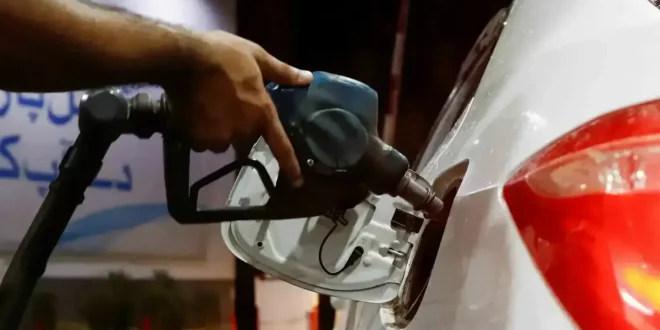
In a recent announcement, the Pakistani government declared a reduction of Rs1.97 per litre in the prices of both petrol and high-speed diesel (HSD), effective for the week concluding July 10. This adjustment brings the ex-depot price of HSD to Rs309.50 per litre and petrol to Rs297.53 per litre. The move is attributed to a decline in global crude oil prices over the past week, offering a measure of relief to consumers.
While the immediate reduction is modest, it contributes to a cumulative downward trend, particularly for petrol, which has seen approximately Rs109 per litre reduction from its peak of Rs458.41 recorded on April 3. Similarly, HSD, crucial for the nation’s freight transportation and considered a significant inflationary factor, has come down from its high of Rs520.35 per litre on the same date.
Background: Global Volatility and Domestic Imperatives
Pakistan, a net importer of crude oil, remains acutely vulnerable to the vagaries of the international energy markets. Global geopolitical events, shifts in supply and demand, and broader economic sentiment directly translate into domestic fuel price fluctuations. For instance, the upward trajectory of fuel prices earlier this year, which saw petrol climb from Rs266 and HSD from Rs281, coincided with the outbreak of the US-Iran war on February 28, illustrating the profound impact of external factors.
Domestically, the government’s approach to fuel pricing is a complex balancing act between providing relief to its citizens and meeting crucial fiscal targets. Fuel prices in Pakistan are not merely a reflection of international crude rates but also incorporate a multitude of taxes and levies, including customs duty, petroleum levy, inland freight equalisation margin, and now, a climate support levy. These levies serve as significant revenue streams for the government, vital for managing the national budget and reducing the fiscal deficit, especially under ongoing International Monetary Fund (IMF) programs.
The IMF, a key financial partner for Pakistan, often imposes conditions that necessitate fiscal discipline and revenue generation. In line with these conditions, the climate support levy was doubled to Rs5 per litre from July 1, with a corresponding reduction in the petroleum levy. However, the government also slightly increased the petroleum levy on both products, a decision that mitigated a potentially larger price drop of approximately Rs11 per litre for petrol and Rs4 per litre for diesel, had the full benefit of lower global prices been passed on.
Impact on Pakistan’s Economy and Consumers
The reduction in fuel prices, though modest, offers some immediate, albeit limited, economic breathing room for the average Pakistani consumer. Lower petrol prices can slightly ease household budgets, particularly for daily commuters and small businesses reliant on personal transport. The reduction in diesel prices is arguably more significant, given HSD’s extensive use in freight and public transportation. A decrease in transportation costs can potentially lead to a marginal softening of inflationary pressures, as the cost of moving goods across the country affects the prices of everything from food to manufactured products.
However, the government’s decision to simultaneously increase the petroleum levy highlights a broader fiscal strategy. With petrol and HSD being major revenue generators, accounting for monthly sales of 700,000 to 800,000 tonnes, maintaining a substantial tax burden on these products is crucial for the government to shore up its finances. This strategy aims to ensure fiscal stability, meet IMF targets, and reduce reliance on borrowing, even if it means tempering the extent of relief passed on to the public from falling global oil prices.
The intricate structure of fuel taxation, with customs duties, petroleum levies (currently around Rs70/litre for petrol and Rs80/litre for diesel), and the new climate support levy, underscores the government’s persistent need for revenue. This approach impacts various sectors, including logistics, agriculture, and manufacturing, which are all sensitive to energy costs. While the price cut offers a glimmer of hope, its net impact on the broader economy will largely depend on the sustained trajectory of global oil prices and the government’s future taxation policies.
Analysis: A Managed Relief Amidst Fiscal Constraints
The recent fuel price reduction in Pakistan is a nuanced decision, reflecting a delicate balance between public demand for relief and the government’s pressing fiscal responsibilities. While the immediate cause is the dip in global oil prices, the full benefit of this decline has been partially absorbed by an increase in domestic taxation. This is a critical point for analysis: the price cut is not solely a market-driven outcome but a managed intervention, shaped by both international market dynamics and stringent domestic fiscal policy.
The introduction and doubling of the climate support levy, while notionally offset by a corresponding reduction in the petroleum levy under IMF conditions, coupled with a general “slight increase” in the petroleum levy itself, reveals a strategic intent. The government is leveraging lower international prices as an opportunity to bolster its revenue collection without appearing to significantly raise prices. This approach helps Pakistan meet its budgetary targets and commitments to international lenders like the IMF, crucial for maintaining economic stability and investor confidence.
For citizens, the Rs1.97 per litre reduction, while welcome, might feel insufficient given the potential for a much larger decrease. This highlights the ongoing challenge of sustaining meaningful economic relief in an environment where government coffers are perpetually under strain. The long-term sustainability of such marginal price adjustments is questionable if global oil prices reverse course. A more robust and sustainable energy strategy would involve diversification of energy sources, investment in renewable energy, and improvements in energy efficiency to reduce Pakistan’s heavy reliance on imported fossil fuels.
In conclusion, the latest fuel price cut in Pakistan represents a calculated move by the government to provide some relief to consumers while steadfastly pursuing its revenue generation goals under challenging economic circumstances. It’s a reminder that in an import-dependent economy like Pakistan, the interplay of global markets and domestic fiscal policy will continue to dictate the price at the pump, often prioritizing national economic stability over immediate, substantial consumer benefits.