Dost Pakistan Journeys Tours and safaris in the North & South Pakistsn
Related Articles


“`html
Pakistan’s Population Bomb: Can it Reach 400 Million by 2040? An Urgent Analysis
Explore the critical challenges Pakistan faces with its rapid population growth, the looming threat of 400 million citizens by 2040, and the essential steps needed for sustainable development and a prosperous future.
The News: A Stark Warning for Pakistan’s Future
Pakistan finds itself at a critical demographic juncture, as recently highlighted by Minister of State for Health Dr. Mukhtar Ahmad Bharath. Speaking at a ceremony in Tarlai, Dr. Bharath issued a severe warning: the nation’s population is projected to soar to a staggering 400 million by 2040 if current trends persist. This alarming forecast underscores the urgent need for robust interventions and a collective shift in mindset regarding family planning and reproductive health.
The Minister stressed that addressing this rapid demographic expansion is not merely a health concern but an urgent national priority. He emphasized the crucial roles of public awareness and individual responsibility in curbing population growth, advocating for stronger measures in maternal and child healthcare. Prime Minister Shehbaz Sharif has already responded to this pressing issue by constituting a national council specifically tasked with formulating and strengthening policy interventions to manage population growth effectively.
A key point of concern raised by Dr. Bharath was the comparatively low uptake of modern contraceptive methods in Pakistan, especially when contrasted with regional counterparts like Saudi Arabia, Iran, and Turkiye. This limited use directly contributes to unintended pregnancies, increasing the incidence of unsafe abortions and placing immense pressure on an already strained healthcare system. The minister called upon parents to thoughtfully assess their resources—covering nutrition, quality education, timely immunization, and healthcare—before expanding their families, asserting that a healthy and prosperous society hinges on every child enjoying their fundamental rights. In a move to bolster these efforts, the government of China, in collaboration with the UN Population Fund, has provided Pakistan with $2 million worth of reproductive health and family planning supplies.
Background: The Demographic Tapestry of a Nation
To grasp the gravity of Dr. Bharath’s warning, it’s essential to understand Pakistan’s demographic trajectory. Currently, with a population hovering around 240 million, Pakistan stands as the world’s fifth most populous country. This massive figure is the result of decades of sustained high birth rates, often attributed to a complex interplay of socio-economic and cultural factors.
Historically, Pakistan has struggled with high fertility rates. Several intertwined elements contribute to this:
- Low Female Literacy: A direct correlation exists between women’s education levels and family size. Lower literacy rates often translate to less awareness about family planning and reduced agency in reproductive decisions.
- Traditional Norms and Early Marriages: Societal expectations and the prevalence of early marriages, particularly in rural areas, contribute to longer reproductive spans for women.
- Limited Access and Awareness: Despite government efforts, comprehensive reproductive health education and access to modern contraceptive services remain inconsistent, especially in remote regions. Myths and misconceptions about family planning methods are also widespread.
- High Infant and Child Mortality (Historically): In the past, high child mortality rates sometimes led families to have more children, hoping that some would survive to adulthood. While these rates have improved, the legacy of this mindset can linger.
- Socio-Economic Disparities: Poverty often correlates with larger family sizes, as children are sometimes viewed as additional hands for labor or security in old age.
While various governments have initiated family planning programs over the years, their impact has often been limited by insufficient funding, lack of political will, inadequate infrastructure, and cultural resistance. The comparison to countries like Saudi Arabia, Iran, and Turkiye is particularly insightful; these nations, while sharing some cultural and religious contexts with Pakistan, have achieved significantly higher rates of contraceptive use and lower fertility, demonstrating that effective population management is achievable within diverse societal frameworks.
Impact on Pakistan: A Crisis of Resources and Development
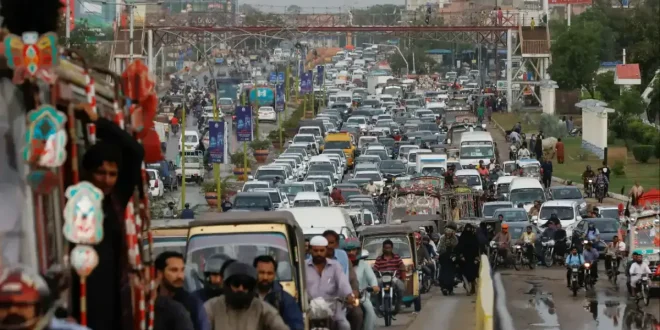
A population of 400 million by 2040 would exert unimaginable pressure on Pakistan’s already fragile resources and infrastructure, potentially unraveling decades of development efforts. The impacts would be multi-faceted and severe:
- Economic Strain: A larger population demands more jobs, which Pakistan’s economy currently struggles to create for its existing youth bulge. This could lead to rampant unemployment, underemployment, and increased poverty. The burden on public finances for social welfare, subsidies, and development projects would become unsustainable.
- Resource Scarcity:
- Water: Pakistan is already a water-stressed country. A burgeoning population would exacerbate this crisis, leading to conflicts over water resources for agriculture, industry, and domestic use.
- Food Security: Feeding 400 million people would require a dramatic increase in food production, placing immense pressure on agricultural land and water resources, potentially leading to food insecurity and malnutrition.
- Energy: The demand for energy would skyrocket, worsening Pakistan’s existing power crises and hindering industrial growth.
- Environmental Degradation: More people mean a larger ecological footprint. This translates to increased deforestation, pollution (air, water, and plastic), habitat loss, and intensified climate change impacts, further jeopardizing public health and natural ecosystems.
- Strain on Social Services:
- Healthcare: The healthcare system, already struggling with basic provisions, would be overwhelmed. Access to quality healthcare, immunizations, and maternal services would diminish further.
- Education: Providing quality education for a rapidly expanding school-age population would be a monumental task, potentially leading to overcrowded classrooms, poor learning outcomes, and a less skilled workforce.
- Housing & Infrastructure: Cities would face unprecedented challenges in providing adequate housing, sanitation, transportation, and public services, leading to urban sprawl, slums, and deteriorating quality of life.
- Human Development Index (HDI) Decline: Stretched resources would inevitably lead to a decline in key human development indicators, including life expectancy, literacy, and per capita income, trapping generations in a cycle of poverty and underdevelopment.
- Social Instability: Competition for scarce resources, coupled with high unemployment and inequality, can fuel social unrest, crime, and extremism, undermining national cohesion and stability.
Analysis: Beyond Awareness – A Call for Systemic Change
Dr. Bharath’s warning serves as a clarion call, demanding not just attention but decisive and sustained action. While public awareness and individual responsibility are indeed crucial, addressing a challenge of this magnitude requires a multi-pronged, systemic approach that goes far beyond mere exhortations.
The establishment of a national council by Prime Minister Shehbaz Sharif is a commendable first step, signifying high-level political commitment. However, the true measure of its success will lie in its ability to translate policy into effective, on-the-ground implementation. This demands:
- Expanding Access to Reproductive Health Services: The $2 million aid from China and UNFPA is a welcome contribution, but it’s a fraction of what’s needed. The government must drastically expand the reach and quality of basic health units (BHUs), ensuring a consistent supply of modern contraceptives, trained healthcare providers, and confidential counseling services, particularly in rural and marginalized areas.
- Investing in Female Education and Empowerment: Educating girls and women is arguably the most powerful long-term family planning strategy. Empowered women, who have more control over their bodies and futures, tend to choose smaller families. This requires not just school enrollment but also ensuring retention and quality learning.
- Engaging with Religious and Community Leaders: To overcome cultural and traditional barriers, it’s vital to involve religious scholars and community leaders. Framing family planning as responsible parenthood, in line with religious teachings of well-being and child welfare, can be highly effective in fostering acceptance.
- Comprehensive Youth-Friendly Education: Age-appropriate reproductive health education in schools and communities can equip young people with the knowledge to make informed decisions about their health and futures.
- Economic Upliftment: Addressing poverty and creating economic opportunities, especially for women, can shift the perception of children as economic assets to investments in quality of life.
- Data-Driven Policy Making: Continuous monitoring, research, and evaluation of family planning programs are essential to identify what works, adapt strategies, and ensure efficient resource allocation.
The minister’s emphasis on parents considering their resources before having children is a powerful message of individual responsibility. However, for this responsibility to be truly actionable, individuals must be provided with the knowledge, tools, and supportive environment to make informed choices. This is where systemic interventions from the state become indispensable. The burden cannot solely rest on individual shoulders when systemic barriers to education, healthcare, and economic opportunity are pervasive.
Ultimately, addressing Pakistan’s population challenge is not about limiting human potential but about enhancing the quality of life for every citizen. It’s a strategic imperative for sustainable development, economic stability, environmental preservation, and national prosperity. The window of opportunity to avert a looming crisis is narrowing, and decisive action today will determine the fate of Pakistan’s generations to come.
“`