Dost Pakistan Journeys Tours and safaris in the North & South Pakistsn
Related Articles


“`html
Rawalakot Unrest: Unpacking Human Rights, Political Dynamics, and the Future of AJK Elections
The Escalating Crisis and International Concern
Recent days have seen a significant escalation of tensions in Azad Jammu and Kashmir (AJK), particularly in the Rawalakot area of Poonch district, culminating in violent clashes between protesters and law enforcement personnel. These incidents, which have reportedly led to casualties, have drawn sharp condemnation and calls for urgent action from prominent human rights organizations, including the Human Rights Commission of Pakistan (HRCP) and Amnesty International.
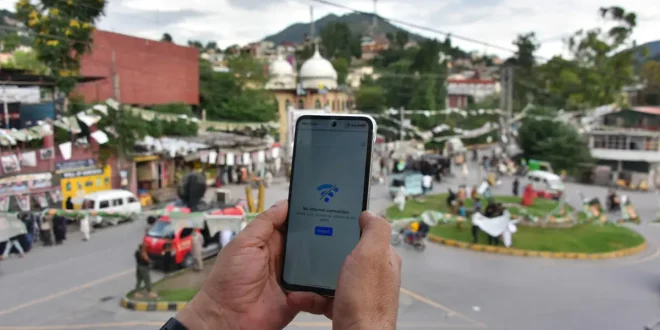
Both organizations have expressed profound alarm over reports of deaths and injuries, urging a “prompt, impartial, and independent investigation” into the use of force. A critical demand has been the immediate lifting of communication blackouts in the region, which severely hamper independent verification of events and impede transparency. While some internet services have reportedly been restored in parts of Muzaffarabad after weeks of suspension, concerns persist regarding the quality of service and continued restrictions in other affected areas, creating an information vacuum amidst a volatile situation.
Background to the Unrest: A Battle for Representation
The current wave of protests is spearheaded by the Joint Awami Action Committee (JAAC), an organization that has recently been proscribed by the AJK government under anti-terrorism legislation. For several weeks, the JAAC has mobilized residents across AJK, demanding fundamental changes to the region’s governance structure. At the heart of their agitation is the contentious issue of 12 reserved seats in the AJK Legislative Assembly. These seats are specifically allocated for refugees from Indian-held Kashmir (IHK), a provision that local residents argue dilutes their representation and undermines the democratic process within AJK itself.
The government’s response to these protests has been robust, escalating from proscription of the JAAC to a widespread crackdown, including the arrest of numerous leaders and the placement of activists on the Fourth Schedule of the anti-terrorism act. This heavy-handed approach, coupled with prolonged communication blackouts, has further fueled public discontent. The administration has, in turn, accused the JAAC of harboring “militant elements pursuing a foreign agenda and backed by Indian funding,” a claim that adds a significant geopolitical layer to an already complex internal dispute. These developments unfold against the backdrop of ongoing phased elections across AJK, creating an environment where political participation and public order are deeply intertwined with allegations of external interference.
Impact on Pakistan: Governance, Rights, and Geopolitics
The escalating unrest in AJK carries significant implications for Pakistan, impacting its internal governance, human rights standing, and delicate geopolitical positioning:
- Human Rights and Governance Credibility: The calls for independent probes by international bodies like Amnesty and HRCP spotlight concerns over human rights violations, including the right to peaceful assembly, freedom of expression, and due process. A failure to conduct transparent investigations and hold responsible parties accountable could tarnish Pakistan’s image on the global stage, especially in its capacity as a protector of Kashmiri rights. The communications blackout further compounds these concerns, suggesting an attempt to control information rather than facilitate transparency.
- Political Stability and Electoral Integrity: The ongoing violence and crackdown directly threaten the legitimacy and credibility of the AJK elections. If segments of the population feel disenfranchised or silenced, the electoral process, intended to foster democratic participation, risks becoming a source of further division and unrest. Such instability in a geopolitically sensitive region like AJK can have ripple effects on Pakistan’s broader political landscape.
- Economic Disruption and Public Trust: Prolonged protests, internet shutdowns, and law enforcement operations inevitably disrupt daily life, commerce, and education. This economic strain can erode public trust in governance and exacerbate grievances, creating a cycle of dissatisfaction that is difficult to break.
- International Perception and Kashmir Narrative: Pakistan consistently advocates for the rights of Kashmiris on international platforms. However, internal unrest and alleged human rights abuses within AJK itself can weaken its moral standing and undermine its narrative regarding self-determination and human rights in the broader Kashmir dispute. Accusations of “Indian funding” against protesters, while potentially true, also require robust, transparent evidence to maintain credibility and avoid appearing as a convenient deflection.
Analysis: Navigating a Labyrinth of Grievances and Geopolitics
The Rawalakot unrest is not merely a law and order issue; it represents a confluence of long-standing local grievances, democratic aspirations, and complex geopolitical undercurrents. At its core, the demand for the abolition of the 12 reserved seats highlights a crucial tension: the balancing act between historical commitments to Kashmiri refugees and the evolving democratic rights and representation of AJK’s settled population. While the provision for refugee seats stems from the historical context of the Kashmir conflict, its continued existence after decades raises legitimate questions about its impact on contemporary AJK politics and whether it effectively disenfranchises local voters.
The state’s response, including the proscription of JAAC and the subsequent crackdown, must be critically evaluated for its proportionality and adherence to democratic principles. While maintaining public order is a legitimate governmental function, the use of anti-terrorism laws against a committee primarily demanding political reform, coupled with extensive communication blackouts, risks stifling legitimate dissent. Such measures can deepen alienation and push grievances underground, making peaceful resolution even more challenging. The timing of these actions, coinciding with phased elections, further complicates the narrative of “peaceful and transparent elections” and casts a shadow over the democratic process.
Furthermore, the government’s accusation of “militant elements” and “Indian funding” introduces a highly sensitive geopolitical dimension. While Pakistan has legitimate security concerns regarding foreign interference, such claims, when made in the context of domestic unrest, must be backed by transparent evidence to avoid being perceived as an attempt to delegitimize popular movements. This narrative also plays into the broader India-Pakistan dynamic over Kashmir, where both sides often accuse the other of fomenting trouble.
Moving forward, a path to de-escalation and sustainable peace in AJK requires a multi-pronged approach. Firstly, an independent, prompt, and transparent inquiry into the reported deaths and injuries is paramount to establish facts, ensure accountability, and restore public trust. Secondly, a genuine dialogue with all stakeholders, including the JAAC leadership (even if proscribed, their grievances need to be heard), is crucial to address the underlying issues, particularly the contentious reserved seats, through political means rather than force. Thirdly, the immediate and full restoration of all communication services is essential for transparency, independent reporting, and fostering an environment conducive to dialogue. Lastly, authorities must exercise restraint in responding to protests, upholding the fundamental rights to peaceful assembly and expression, even amidst electoral pressures.
The unrest in Rawalakot is a stark reminder that even in regions under administrative control, unresolved political grievances and perceived injustices can boil over, demanding careful, empathetic, and rights-respecting governance rather than solely relying on security measures. The future stability of AJK, and by extension, Pakistan’s standing on the Kashmir issue, hinges on how effectively these complex challenges are addressed.
“`