 Dost Pakistan Journeys Tours and safaris in the North & South Pakistsn
“`html
President Zardari Summons Parliament: A Look at Pakistan’s Legislative Path and Political Landscape
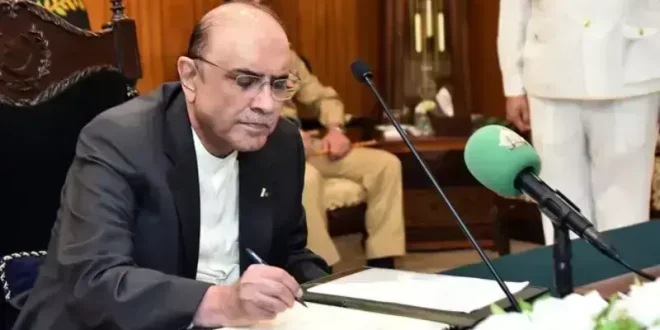
Islamabad, Pakistan – In a significant move signaling a return to regular legislative activity, President Asif Ali Zardari has approved summaries for the summoning of both the National Assembly and the Senate on August 17. This decision, announced via the President’s Secretariat, underscores the routine yet crucial functioning of Pakistan’s democratic institutions amidst broader political developments.
The News: Parliamentary Sessions and Broader Presidential Approvals
President Zardari, acting on summaries forwarded by Prime Minister Shehbaz Sharif, confirmed that the National Assembly session would commence at 5 PM and the Senate session at 4 PM on August 17. This vital step ensures the continued operation of Pakistan’s bicameral legislature, essential for law-making, debate, and accountability.
Beyond the parliamentary summons, the President’s office also announced several other key approvals. These included the awarding of military honours to 1,172 personnel from the armed forces and civil armed forces, a special 100-day remission for eligible prisoners on the occasions of Independence Day and Eid Miladun Nabi, and national honours for citizens from various civil sectors.
Notably, these approvals follow closely on the heels of the President giving his assent earlier this week to the appointment of 19 additional judges for five high courts and the confirmation of five others as permanent judges. This resolution effectively ended a weeks-long deadlock between the Presidency and the government over judicial appointments, a development with significant implications for the country’s justice system.
Background: The President’s Role and Recent Political Dynamics
In Pakistan’s parliamentary democracy, the President serves as the head of state, embodying national unity, while the Prime Minister leads the government. Although largely a ceremonial role, the President holds crucial constitutional powers, including the authority to summon and prorogue parliamentary sessions, assent to legislation, and approve key appointments and summaries from the Prime Minister. This makes the President’s office a vital cog in the machinery of state governance.
The recent period has been characterized by intense political activity and, at times, discernible friction between state institutions. The prolonged deadlock concerning judicial appointments—a matter critical for the functioning and independence of the judiciary—had highlighted a potential for institutional gridlock. The President’s eventual assent to these appointments, paving the way for the high courts to operate at full capacity, marked a significant step towards resolving inter-institutional differences.
Against this backdrop, the approval to summon parliament is not merely a procedural formality but an indication of the government’s intent to proceed with its legislative agenda and maintain democratic continuity. It suggests a phase where the executive and the presidency are demonstrating functional cooperation on critical state matters.
Impact on Pakistan: Towards Legislative Momentum and Stability
The immediate impact of summoning the National Assembly and Senate is the activation of Pakistan’s legislative engine. Parliament serves as the primary forum for drafting and passing laws, discussing national issues, holding the government accountable, and representing the will of the people. Its regular functioning is indispensable for a healthy democracy and efficient governance.
The resolution of the judicial appointment deadlock, followed by the seamless approval of parliamentary sessions, signals potentially improved coordination and reduced friction between the government and the presidency. Such institutional harmony is crucial for fostering political stability, which is vital for attracting investment, implementing economic reforms, and addressing the myriad challenges facing the nation.
Furthermore, the appointments of judges are paramount for the swift dispensation of justice and the strengthening of the rule of law. A fully functional judiciary is essential for upholding constitutional principles, protecting fundamental rights, and ensuring legal certainty, all of which contribute to public trust and national development. The other approvals, such as military and civil honours and prisoner remissions, while symbolic, contribute to national morale and reflect state recognition of service and compassion.
Analysis: Beyond Procedure — A Glimpse into Pakistan’s Political Trajectory
While the summoning of parliament is a constitutional obligation, the timing and context of President Zardari’s approvals offer insights into the current political trajectory of Pakistan. The swift succession of approvals, particularly after the resolution of the contentious judicial appointments, suggests a concerted effort to project an image of functional governance and institutional cooperation.
This period could mark a shift towards a more constructive working relationship between the executive and the head of state, moving past earlier impasses. In a political landscape often marked by intense polarization and institutional standoffs, such a development can be a positive sign for democratic resilience. It allows the government to focus on pressing national issues, from economic stabilization to social welfare, through the legitimate channels of parliamentary debate and legislation.
The varied nature of the approvals—spanning legislative, judicial, and ceremonial domains—indicates a comprehensive engagement by the presidency with different facets of state functioning. This holistic approach, from ensuring the continuity of the legislative branch to bolstering the judiciary and recognizing national service, collectively contributes to reinforcing the democratic framework.
Ultimately, the President’s latest decisions are more than mere administrative actions; they are indicative of a push towards consolidating democratic processes and ensuring the timely operation of key state institutions. As Pakistan navigates its complex challenges, the consistent and cooperative functioning of its political bodies, symbolized by these recent approvals, remains crucial for its journey towards greater stability and progress.
“`
