Dost Pakistan Journeys Tours and safaris in the North & South Pakistsn
Related Articles


“`html
Pakistan’s IPPs Under Fire: The Costly Truth of Coal Procurement and Soaring Electricity Bills
Published: August 26th, 2026
The News: Mounting Evidence of Costly Coal Procurement by IPPs
Recent revelations from Pakistan’s Power Division and the National Electric Power Regulatory Authority (NEPRA) have cast a spotlight on the procurement practices of Independent Power Producers (IPPs) relying on imported coal. These entities, crucial to Pakistan’s energy mix, are now facing scrutiny for potentially imposing significant undue financial burdens on electricity consumers through what are described as “opaque and inefficient” coal procurement methods.
The core of the issue revolves around the significant disparity in discounts secured during coal purchases. While the state-owned Jamshoro Power Plant recently achieved a substantial discount of $7.12 per tonne, some IPPs have reportedly settled for paltry discounts ranging from just $0.20 to $0.50 per tonne. This stark contrast suggests a systemic inefficiency, if not deliberate negligence, in ensuring cost-effective fuel acquisition.
NEPRA’s investigations have particularly targeted the Port Qasim Electric Power Company (PQEPC), highlighting concerns over its long-term coal supply contracts. The regulator criticized PQEPC for basing evaluations on estimated coal prices, publishing tender notices exclusively in China, and failing to disclose existing long-term agreements. Furthermore, despite NEPRA’s directive for fresh bidding, PQEPC reportedly procured approximately 1.2 million tonnes of coal – nearly a year’s supply – just prior to the new tender, again securing a minimal $0.50 per tonne discount. Officials estimate this single instance alone could represent an additional cost of $8 million compared to Jamshoro’s benchmark.
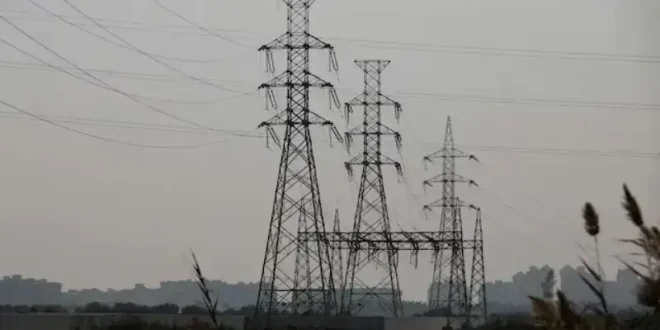
With Pakistan’s coal-fired power fleet boasting a combined capacity of approximately 5,280 megawatts, much of which relies on imported coal, the cumulative financial impact of such practices, if widespread, could be astronomical. The Power Division has since issued new policy guidelines, aiming for corrective action that could potentially save the national exchequer up to Rs380 million annually, underscoring the gravity of the situation.
Background: Pakistan’s Energy Quagmire and the Role of IPPs
To understand the full implications of these findings, it’s essential to contextualize Pakistan’s persistent energy challenges and the historical role of IPPs. Pakistan has long grappled with a chronic energy crisis, characterized by power shortages, reliance on expensive imported fuels, and a crippling circular debt that saps the vitality of its power sector. To address acute supply deficits in the 1990s and early 2000s, successive governments encouraged the establishment of IPPs, often offering attractive terms, including guaranteed off-take agreements and dollar-indexed returns, to attract foreign investment in power generation.
While IPPs successfully augmented generation capacity, their contractual frameworks have often been a point of contention. A critical element in these contracts is the mechanism for Fuel Price Adjustments (FPAs). FPAs allow power producers to pass through fluctuations in fuel costs directly to end-consumers. This system was designed to protect IPPs from commodity price volatility, but it also means that any inefficiency or inflated cost in fuel procurement directly translates into higher electricity bills for households and businesses across the country. Essentially, if an IPP pays more than necessary for coal, consumers bear that extra cost through their monthly FPA surcharges.
NEPRA, as the independent regulator of Pakistan’s electricity sector, plays a pivotal role in tariff determination, licensing, and safeguarding consumer interests. Its mandate includes scrutinizing power generation costs to ensure fair and reasonable tariffs. The current investigations highlight NEPRA’s critical function in uncovering potential malpractices and advocating for transparency.
The shift towards coal-fired power plants, both using indigenous Thar coal and imported varieties, was largely driven by the promise of cheaper base-load generation compared to oil or gas. However, this strategy still exposes the nation to international coal price volatility, which is further exacerbated by inefficient procurement. The API-4 index, an internationally recognized benchmark, serves as a reference, but the final price IPPs pay is heavily influenced by the “discount” they negotiate – precisely the area where these glaring discrepancies have emerged.
Impact on Pakistan: Economic Strain and Eroding Trust
The alleged inefficiencies in coal procurement by IPPs have multifaceted and detrimental impacts across Pakistan’s economic and social landscape:
- Exacerbated Economic Burden on Consumers: The most direct and painful impact is on ordinary citizens and businesses. Higher electricity bills, driven by inflated fuel costs passed through FPAs, reduce disposable income for households and increase operational costs for industries. This stifles economic growth, impacts competitiveness, and pushes more people into energy poverty.
- Fueling Circular Debt: While FPAs pass costs directly, the power sector’s systemic issues, including low recovery rates and delayed payments from various entities, mean that even passed-through costs often contribute to the ever-growing circular debt. This debt cripples the financial health of generation, transmission, and distribution companies, hindering vital investments in infrastructure and upgrades.
- Inflationary Pressures: Energy costs are a fundamental component of almost every product and service. Inflated electricity prices feed directly into overall inflation, making essential goods more expensive and eroding the purchasing power of the average Pakistani.
- Damaged Investor Confidence: Allegations of opaque practices and regulatory shortcomings can deter future foreign direct investment, particularly in critical sectors. A lack of transparency and a perception of uneven playing fields undermine investor trust in the country’s business environment.
- Compromised Energy Security: Pakistan’s heavy reliance on imported coal, especially when procured inefficiently, makes its energy security vulnerable. Suboptimal procurement practices waste precious foreign exchange reserves and expose the country to greater risks from global market fluctuations and supply chain disruptions.
- Erosion of Public Trust and Governance Concerns: The revelations raise serious questions about regulatory oversight, contract negotiation, and accountability within the power sector. Such issues erode public trust in government institutions and the fairness of the economic system.
Analysis: A Call for Systemic Reform and Greater Transparency
The current controversy surrounding IPPs’ coal procurement isn’t merely an isolated incident; it signifies deeper, systemic vulnerabilities within Pakistan’s power sector. While IPPs have been instrumental in meeting energy demand, the mechanism designed to ensure their viability – the pass-through FPA – appears to have become a conduit for potential overcharging due to a lack of robust oversight and transparency in procurement.
This situation highlights several critical areas for immediate attention:
- Strengthening Regulatory Enforcement: NEPRA’s recent actions are commendable, but they must be sustained and backed by the political will to enforce regulations strictly. The incident where PQEPC procured a year’s supply of coal despite a directive for fresh bidding points to challenges in immediate compliance and the need for stronger punitive measures for non-disclosure or circumvention of regulatory orders.
- Mandating Transparent Procurement: The current system allows for significant discretion in how IPPs negotiate “discounts” with suppliers, often without a truly competitive global bidding process. New policy guidelines should mandate standardized, open, and globally competitive bidding processes for all major fuel procurements, with public disclosure of tender documents, evaluation criteria, and award outcomes. This would foster genuine competition and provide a benchmark for fair pricing.
- Revisiting Contractual Agreements: While renegotiating IPP contracts is often contentious, there may be scope to review clauses related to fuel procurement, especially for projects with long remaining operational lives. Mechanisms for independent audit and oversight of fuel costs should be built into these agreements.
- Enhancing Audit and Accountability: Beyond NEPRA, institutions like the Auditor General of Pakistan need to conduct regular, independent performance and financial audits of IPPs’ fuel procurement, with findings made public. Accountability must extend to officials responsible for approving contracts and overseeing their implementation.
- Diversification and Indigenous Resources: While imported coal plays a role, accelerated development of indigenous resources like Thar coal, coupled with a renewed focus on renewable energy sources (solar, wind, hydro), can reduce Pakistan’s reliance on volatile international commodity markets and complex import logistics. This strategic shift offers long-term energy security and price stability.
- Consumer Advocacy and Awareness: The increasing public awareness and advocacy by consumer groups are vital. An informed populace can exert pressure on policymakers and regulators to demand transparency and efficiency.
The Power Division’s new policy guidelines are a positive step, demonstrating official acknowledgment of the problem. However, real change will require a sustained, concerted effort from all stakeholders – government, regulators, IPPs, and civil society – to overhaul a system that, while initially designed to attract investment, now appears to be inadvertently penalizing the very consumers it serves. The path to affordable and reliable electricity in Pakistan hinges on eliminating such inefficiencies and fostering an environment of uncompromising transparency and accountability.
“`