Dost Pakistan Journeys Tours and safaris in the North & South Pakistsn
Related Articles


“`html
MOUNTAINEERING: THE LAST DESCENT
This piece was originally published on July 5, 2026.
The News: A New Era of Ascent and Absence
Pakistan’s towering peaks, from the formidable K2 to the majestic Broad Peak, have increasingly become magnets for adventurers worldwide. Enhanced infrastructure, a better-equipped Skardu airport, and the ubiquitous reach of social media have transformed the country’s adventure tourism landscape. What was once the domain of a select few elite climbers now attracts hundreds each season, eager to test their mettle against some of the planet’s most challenging mountains. This surge has brought undeniable success to Pakistan’s mountain tourism industry and nurtured a burgeoning local mountaineering culture.
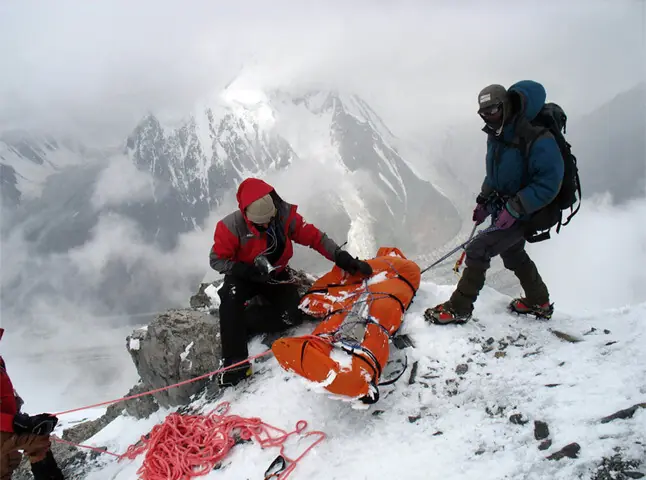
However, this rapid expansion carries a grim consequence, one familiar to anyone who ventures into the “death zone”: not everyone returns. Fatal accidents claim lives annually, affecting both seasoned veterans and aspiring novices. When tragedy strikes at extreme altitudes, while immediate rescue operations are launched for the living, the retrieval of fallen climbers’ remains presents an “impossible” task that few dare to undertake. Yet, a dedicated, albeit informal, network of Pakistani high-altitude recovery specialists has quietly taken on this profoundly dangerous and emotionally taxing mission, often operating with limited institutional support.
Every climbing season, Pakistan’s highest mountains claim the lives of mountaineers. Bringing climbers down alive is difficult. Bringing back the dead is even harder. Yet a handful of Pakistanis have quietly taken on one of the world’s most dangerous jobs: recovering bodies from above 7,000 metres
In the absence of a dedicated private high-altitude rescue and recovery service—where the army’s aviation unit remains the primary agency for urgent interventions—these missions often become the improvised, courageous last resort for grieving families desperate for closure.
Background: The Shifting Sands of Mountain Ethics
For decades, the unforgiving realm above 8,000 meters, known as the “death zone,” has dictated an unwritten rule: if a climber perishes there, their body remains. The logistical complexity, extreme hazards, and immense cost of recovery efforts have historically made it an almost unthinkable endeavor. Mount Everest alone is believed to hold the remains of nearly 200 climbers, a stark testament to this long-held convention.
This perception began to shift dramatically with the deeply personal quest of Austrian mountaineer Georg Kronthaler. After his brother Markus tragically died on Broad Peak in 2006, Georg refused to accept the finality of the mountain’s embrace. Driven by his mother’s profound grief and a desire to challenge the prevailing mindset, Georg orchestrated an unprecedented recovery mission in 2007. Despite threats of prosecution and widespread skepticism, he, alongside a team of experienced Austrians and six crucial **Pakistani high-altitude porters**, successfully brought Markus’s body down from over 8,000 meters. This heroic feat, documented in the film *Grab in eisigen Höhen* (Ice Grave), proved that such recoveries, while arduous, were indeed possible, igniting a crucial conversation about the ethical responsibilities of the mountaineering community.
This historical moment laid the groundwork for a new generation of climbers to consider what was once deemed impossible. It underscored the invaluable, often unacknowledged, expertise and bravery of local **Pakistani mountaineers** and porters, whose knowledge of the terrain and physical prowess are indispensable for any high-altitude endeavor, whether ascent or recovery.

Impact on Pakistan: Heroes, Heartbreak, and the Heavy Cost
The burgeoning **mountain tourism in Pakistan** has ushered in an era of opportunity and challenge. The increasing flow of international climbers not only injects vital revenue into local economies but also places Pakistan’s breathtaking landscapes firmly on the global adventure map. Simultaneously, it highlights critical gaps in safety protocols and support infrastructure, particularly concerning **high-altitude rescue and recovery**. The stories emerging from the Karakoram underscore both the indomitable spirit of local climbers and the urgent need for systemic change.
Local Heroes Step Up
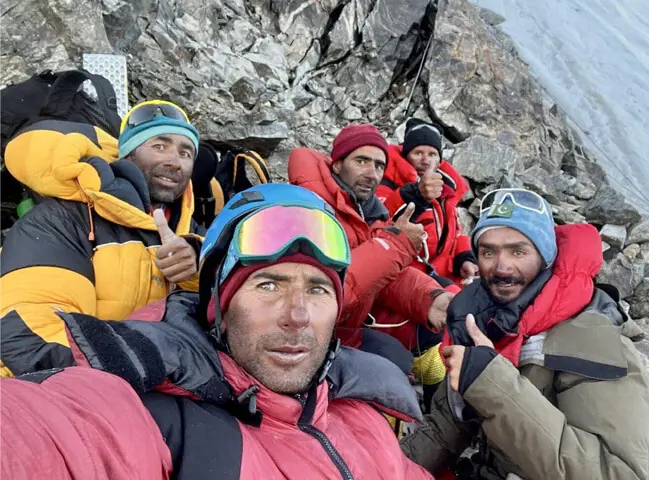
Inspired by the legacy of legends like Hasan Sadpara, the first Pakistani to summit Everest and all five of Pakistan’s 8,000m peaks, a new wave of local climbers is demonstrating extraordinary courage. Abid Sadpara, Hasan’s son, exemplifies this spirit. In 2023, he led a daring mission to recover Afghan climber Akbar Ali Sakhi’s body from K2, at a staggering 7,200 meters, after his commercial operator deemed it impossible. This mission, involving meticulous planning, acclimatization, and a nighttime operation to avoid other climbers, brought much-needed solace to Sakhi’s widow, Karima, who desired a proper burial. Such efforts demonstrate the deep cultural significance of burial for grieving families, often transcending the challenges of the climb itself.
The Uncomfortable Truth of the “Death Zone”
The tragic death of Muhammad Hassan Shigri on K2’s notorious Bottleneck in July 2023 exposed a darker side of commercial mountaineering. Chilling footage showed dozens of climbers passing a dying Shigri, sparking widespread outrage and igniting debates about **ethical mountaineering** and the psychological effects of extreme altitude. While some argue that an “altered mental state” at such heights prioritizes self-preservation, others, like Pakistani mountaineer Naila Kiani, contend that collective action could have saved him. This incident galvanized Kiani and others, including Murad Sadpara and Ali Muhammad Sadpara, to embark on a **K2 clean-up mission** which evolved into recovering Shigri’s body, providing dignity in death and a powerful message about responsibility.
The Economic Equation of Risk
The high cost of mountaineering often creates a precarious situation for local **Pakistani porters**. Paid between Rs500,000 to Rs700,000 for a month-long expedition, they face agonizing choices, such as whether to spend a significant portion of their earnings (up to Rs400,000) on life-saving oxygen canisters or prioritize income for their families. The cost of a body recovery mission is also substantial—Abid Sadpara’s team received roughly $21,000 for Sakhi’s retrieval, a fraction of the $75,000 it can cost to bring a body down from Everest. This financial disparity underscores the vulnerability of local climbers, who shoulder immense risks for comparatively meager rewards.
Social Media: A Double-Edged Sword
Social media has emerged as a powerful force in **Pakistan’s mountaineering scene**. It has given a voice to local climbers, raising awareness about their contributions and challenges. As Ayaz Shigri of the Alpine Club of Pakistan notes, it has made it harder for international climbers to prevent their porters from summiting, fostering greater equity. Moreover, viral videos, like that of Hassan Shigri, have a profound impact, sparking public outrage and mobilizing recovery efforts that might otherwise never happen. This visibility, however, also exposes the raw brutality of the mountains and the ethical dilemmas faced in the pursuit of summits.
Analysis: A Moral Imperative for a Sustainable Future
The narratives surrounding high-altitude recoveries in Pakistan mountaineering represent a profound evolution in how we approach the ultimate sacrifices made in the pursuit of climbing. Georg Kronthaler’s pioneering effort irrevocably altered the perception of impossibility, paving the way for a new moral imperative. The subsequent, ongoing efforts by Pakistani climbers like the Sadparas and Naila Kiani are not merely technical feats; they are acts of profound humanity, offering solace and closure to families, and instilling dignity in the face of death.
The current reliance on individual heroism and improvised missions, however, is unsustainable and places an unacceptable burden on those brave enough to undertake them. The grim reality that many bodies, including those of legendary figures like Ali Sadpara, John Snorri, and Juan Pablo Mohr, still lie on K2 highlights the urgent need for a structured solution. Poor record-keeping exacerbates the problem, obscuring the true scale of the unrecovered dead and underscoring the necessity for systematic **mountain rescue services**.
For Pakistan’s mountain tourism to thrive sustainably and ethically, it must integrate robust safety nets. This includes establishing a dedicated, well-funded, and professionally trained high-altitude rescue and recovery service. Such a service would not only standardize procedures and provide essential equipment but also ensure fair compensation and robust insurance for the brave individuals risking their lives. Furthermore, the industry must commit to better wages, training, and working conditions for local porters and climbers, recognizing their indispensable role and inherent value beyond mere logistical support.
Ultimately, the true measure of success in the world of extreme mountaineering should extend beyond the summit. It must encompass a commitment to safety, an embrace of ethical responsibility, and the unwavering belief that every individual, regardless of their fate, deserves respect and dignity. The “last descent” – bringing a fallen climber home – is perhaps the most profound journey of all, and it is one that Pakistan, with its extraordinary peaks and courageous people, is uniquely positioned to lead, setting a new global standard for compassion in the clouds.
“`