 Dost Pakistan Journeys Tours and safaris in the North & South Pakistsn
Indonesia’s Enduring Challenge: Analyzing the Flores Earthquake and Global Disaster Preparedness
Indonesia, an archipelago nation perched precariously on the Pacific “Ring of Fire,” once again finds itself grappling with the devastating aftermath of a powerful natural disaster. A 7.7-magnitude earthquake off the coast of Flores island has claimed lives, caused widespread destruction, and prompted mass evacuations, highlighting the constant threat faced by communities in this seismically active region. Beyond the immediate tragedy, this event offers critical insights into disaster response, community resilience, and the perpetual need for advanced preparedness strategies.
The Immediate Crisis: Devastation off Flores Island
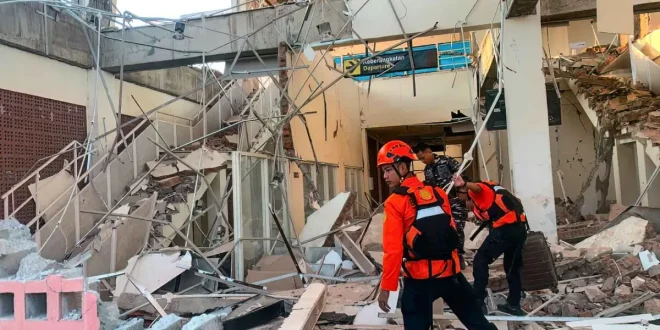
The recent seismic event, registering a significant 7.7 on the Richter scale, struck off Flores island in eastern Indonesia, unleashing chaos and tragedy. Initial reports confirmed at least 20 fatalities, with several more injured and others still unaccounted for, trapped beneath the debris of collapsed structures. The Nagekeo regency, located closest to the earthquake’s shallow epicentre, bore the brunt of the impact, witnessing extensive damage and prompting desperate rescue efforts.
The powerful jolt triggered immediate panic among residents, many of whom recounted tales of violent shaking and a frantic rush to safety. The sea’s temporary retreat, a classic precursor to a tsunami, spurred thousands to flee towards higher ground, demonstrating a heightened awareness of potential secondary hazards. Although the tsunami warning was eventually lifted, the threat of aftershocks, some as strong as 6.1 magnitude, continued to loom, complicating rescue operations already hindered by landslides that rendered several roads impassable. The incident serves as a stark reminder of the rapid and multi-faceted challenges faced during such catastrophic events.
Indonesia’s Perilous Position: Living on the Ring of Fire
Indonesia’s recurrent brush with seismic and volcanic activity is not merely coincidental but a direct consequence of its unique geological setting. The nation sits atop the Pacific “Ring of Fire,” a horseshoe-shaped belt spanning approximately 40,000 kilometres where a majority of the world’s earthquakes and volcanic eruptions occur. This intense geological dynamism is driven by the collision of several major tectonic plates – the Eurasian, Indo-Australian, Pacific, and Philippine Sea plates – creating immense stress that is periodically released as tremors.
The history of devastating quakes and tsunamis in Indonesia is long and tragic. The 1992 Flores earthquake, also a 7.7 magnitude, generated a tsunami that killed approximately 2,500 people. More famously, the catastrophic 9.1-magnitude Sumatra-Andaman earthquake in 2004 unleashed a Boxing Day tsunami that claimed an estimated 220,000 lives across the Indian Ocean region, with over 170,000 in Indonesia alone. Recent years have also seen significant events, including the 2018 Lombok earthquakes and the devastating Palu earthquake and tsunami later that year, which resulted in over 4,300 deaths or disappearances. These repeated calamities underscore the critical importance of robust early warning systems, resilient infrastructure, and comprehensive public education in a region constantly at nature’s mercy.
Distant Tremors, Universal Lessons: What Pakistan Can Learn
While the recent Flores earthquake occurred thousands of miles away and has no direct geological impact on Pakistan, the lessons it offers regarding disaster preparedness and response are universal and highly relevant. Pakistan, too, is a country prone to natural hazards, particularly earthquakes, given its location at the collision zone of the Indian and Eurasian tectonic plates. The devastating 2005 Kashmir earthquake, which killed over 80,000 people, remains a painful testament to this vulnerability.
Indonesia’s ongoing struggle provides crucial learning opportunities for nations like Pakistan:
- Robust Early Warning Systems: The BMKG’s (Indonesia’s Meteorology, Climatology, and Geophysics Agency) swift tsunami warning, even if later lifted, allowed for crucial evacuation time. Pakistan must continue to invest in and refine its early warning systems for earthquakes, floods, and other potential disasters, ensuring rapid and accurate dissemination of information.
- Community Preparedness and Education: The immediate, instinctive flight to higher ground by Flores residents demonstrates the effectiveness of public awareness campaigns. Pakistan can further empower its communities through regular drills, educational programs on earthquake safety, and clear evacuation protocols, especially in high-risk zones.
- Resilient Infrastructure: While the affected Flores areas primarily consist of smaller buildings, the damage highlights the need for stringent building codes tailored to seismic activity. Pakistan’s urban centers and vulnerable rural areas must prioritize construction standards that can withstand significant tremors.
- Logistical Readiness for Response: The challenges posed by landslides in hindering rescue efforts in Flores underscore the importance of pre-planning for emergency access routes and pre-positioning relief supplies in remote, disaster-prone areas.
By studying the ongoing human and logistical challenges faced by Indonesia, Pakistan can proactively strengthen its own disaster management framework, enhancing its capacity to mitigate risk and respond effectively when nature strikes.
Beyond the Immediate Crisis: Analyzing Response and Resilience
The Flores earthquake serves as a powerful case study in the complexities of disaster management in a highly vulnerable region. The immediate response phase, characterized by frantic search and rescue efforts amidst aftershocks and logistical hurdles like impassable roads, showcases the incredible resilience of local communities and first responders.
The initial tsunami warning, though subsequently cancelled, highlights both the progress made in establishing early detection systems and the inherent challenges in communicating precise threats to a panicked population. The decision to evacuate thousands, based on prudent caution, underscores the critical balance between preventing false alarms and ensuring public safety in the face of uncertainty. This event also puts into perspective the long-term recovery trajectory for affected areas. Beyond the immediate provision of aid and shelter, rebuilding efforts will need to focus on creating more resilient infrastructure, supporting local economies, and addressing the psychological trauma endured by survivors.
Ultimately, Indonesia’s recurrent experiences with powerful earthquakes and tsunamis offer a stark reminder for the global community. Continuous investment in scientific research, technological advancements in early warning systems, and robust international cooperation in disaster risk reduction are not luxuries but necessities. The resilience shown by the people of Flores, even amidst tragedy, reinforces the profound human capacity to adapt and rebuild, but it also calls for unwavering commitment from governments and international bodies to equip them with the best possible tools for survival and recovery.
