Dost Pakistan Journeys Tours and safaris in the North & South Pakistsn
Related Articles


“`html
Khunjerab Pass: A Gateway to Pakistan’s Economic Growth and Regional Trade Momentum
The strategic Khunjerab Pass, bordering China, has emerged as a powerhouse for Pakistan’s economy, demonstrating significant growth in cross-border trade. Recent figures reveal a substantial surge in customs revenue and export volumes, solidifying its role as a vital artery for regional connectivity and the China-Pakistan Economic Corridor (CPEC).
The News: A New High for Trade and Revenue
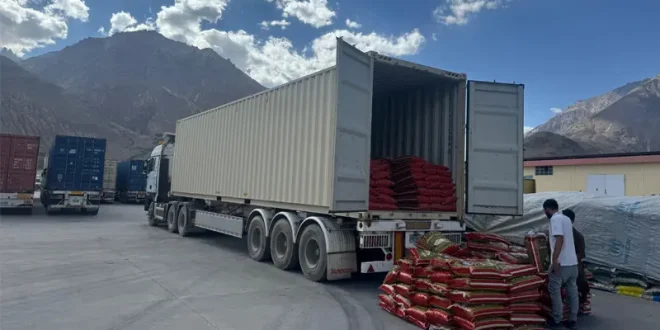
Pakistan Customs has reported a record-breaking collection of nearly Rs15 billion in revenue from imports via the Khunjerab Pass during the fiscal year 2025-26. This marks a notable increase from the previous year’s Rs13.67 billion, underscoring the growing volume of goods entering Pakistan from China through this high-altitude crossing. Concurrently, Pakistan’s exports to China and Central Asian nations also witnessed a healthy uptick, reaching Rs2.8 billion during the same period. This export surge, facilitated by the Transports Internationaux Routiers (TIR) system, encompassed a diverse range of Pakistani products, from surgical instruments and textiles to agricultural produce like potatoes and oranges, as well as unique handicrafts and gemstones.
Despite these positive trends, local traders have voiced concerns regarding procedural hurdles at Chinese immigration, which they claim impede the smooth flow of Pakistani exports. In efforts to maintain legitimate trade, robust anti-smuggling operations have been a key focus, resulting in the recovery of illicit goods worth billions of rupees and the strict enforcement of Import Policy 2022 at the Sost Dry Port.
Background: The Strategic Importance of Khunjerab Pass
The Khunjerab Pass is not merely a geographical landmark; it is a critical conduit for trade and a symbol of Pakistan-China economic partnership. Situated at an elevation of over 4,600 meters in the Karakoram Mountains, it serves as the highest paved international border crossing in the world.
- CPEC’s Lifeline: The Pass is a cornerstone of the China-Pakistan Economic Corridor (CPEC), a flagship project of China’s Belt and Road Initiative (BRI). CPEC aims to enhance connectivity through a network of highways, railways, and energy pipelines, transforming regional trade dynamics and fostering economic development in Pakistan.
- Sost Dry Port: At the Pakistani end, the Sost Dry Port functions as a crucial logistics and customs hub. It is the first dry port in Pakistan and plays an indispensable role in streamlining the movement of goods, inspection, and customs clearance for cross-border trade.
- TIR System: The increasing use of the Transports Internationaux Routiers (TIR) system is pivotal. This international customs transit system simplifies the movement of goods across multiple countries, reducing transit times and costs. Its implementation at Khunjerab Pass is vital for connecting Pakistan not just with China, but also with the broader Central Asian markets, unlocking new avenues for regional trade and integration.
- Bilateral Trade Relations: Pakistan and China share deep-rooted economic and strategic ties. Bilateral trade has been steadily expanding, driven by agreements like the Free Trade Agreement (FTA) and the collaborative spirit of CPEC, which seeks to boost economic prosperity across the region.
Impact on Pakistan: Economic Uplift and Regional Integration
The robust activity at Khunjerab Pass has multifaceted positive impacts on Pakistan’s economy and strategic positioning:
- Enhanced Revenue Generation: The record customs revenue of Rs15 billion provides a significant boost to Pakistan’s national exchequer, crucial for funding public services and infrastructure development. It reflects a growing formal economy and increased compliance.
- Export Diversification and Growth: The surge in exports, particularly of a diverse range of goods including value-added products and agricultural items, is highly encouraging. This indicates a growing international market for Pakistani products, contributing to job creation, supporting local industries, and helping to alleviate the country’s trade deficit. The inclusion of items like surgical goods and garments points towards a potential for higher-value exports.
- Strengthening Regional Connectivity: As a gateway to both China and Central Asia, Khunjerab Pass is instrumental in positioning Pakistan as a hub for regional trade. The TIR system facilitates seamless transit, fostering deeper economic ties with landlocked Central Asian Republics and opening new markets for Pakistani businesses.
- Boost to Local Economies: The Gilgit-Baltistan (GB) region, where the pass is located, directly benefits from increased trade. This includes employment generation in logistics, transportation, customs clearance, and related service industries, thereby improving the socio-economic conditions of local communities.
- Effective Smuggling Control: The intensified anti-smuggling operations are vital for protecting legitimate trade and local industries. By curbing the influx of illegal goods, Customs ensures fair competition, safeguards revenue, and maintains market stability.
Analysis: Navigating Opportunities and Challenges
The impressive performance of Khunjerab Pass signals a promising trajectory for Pakistan’s economic future and its role in regional trade. However, sustaining and amplifying this momentum requires strategic foresight and proactive measures.
Sustaining Growth and Addressing Bottlenecks
While the growth figures are commendable, there is a clear need to address the operational challenges that could hinder future expansion. Local traders’ complaints about “unnecessary restrictions and procedures” at Chinese immigration are a critical concern. These bureaucratic hurdles can inflate costs, delay shipments, and discourage exporters, ultimately undermining the full potential of bilateral trade. Pakistani authorities must engage in constructive diplomatic dialogues with their Chinese counterparts to streamline customs and immigration processes, ensuring a smoother and more efficient flow of goods.
Diversifying and Value Addition in Exports
The current export basket, though diverse, still includes many raw or semi-processed goods. For long-term economic benefits, Pakistan needs to strategically focus on value addition. Investing in manufacturing capabilities for higher-value products and promoting sophisticated goods that can compete effectively in the vast Chinese and Central Asian markets will be crucial. Initiatives to improve product quality, packaging, and adherence to international standards can significantly boost the competitiveness of Pakistani exports.
Enhancing Infrastructure and Logistics
As trade volumes grow, the existing infrastructure along the CPEC route, particularly leading to Khunjerab Pass, will require continuous upgrades and expansion. Improvements in road networks, warehousing facilities, cold storage, and modern logistics services at Sost Dry Port are essential to handle increased traffic and reduce transit times efficiently. The successful implementation of Import Policy 2022 and stringent anti-smuggling efforts highlight the commitment to regulated trade, but these measures must be complemented by robust infrastructure.
The Geopolitical Nexus
Beyond economics, the Khunjerab Pass embodies a crucial geopolitical link. Its efficient operation reinforces Pakistan’s strategic importance as a land bridge connecting South Asia, China, and Central Asia. The continuous expansion of trade and connectivity through this corridor contributes to regional stability and economic integration, aligning perfectly with the broader objectives of the Belt and Road Initiative.
The record customs revenue and rising export figures through Khunjerab Pass are a testament to its burgeoning potential as a primary driver of Pakistan’s economic growth and regional connectivity. By strategically addressing trade bottlenecks, focusing on value-added exports, and continuously improving infrastructure, Pakistan can fully unlock the corridor’s capacity, transforming it into an even more vibrant economic lifeline for the nation and the wider region.
“`