Dost Pakistan Journeys Tours and safaris in the North & South Pakistsn
Related Articles



“`html
Pakistan Condemns Israeli Strikes in Syria: Unpacking Regional Volatility and International Law
The latest Israeli airstrikes on Syria’s Abu al-Duhur air base have provoked a swift and strong condemnation from Pakistan, which denounced the acts as “unprovoked” and a “flagrant violation of international law.” This incident is not merely another chapter in the long-standing Israel-Syria conflict; it introduces new layers of complexity and risk, raising serious questions about regional stability and the adherence to international legal frameworks.
The News: Airstrike and International Reactions
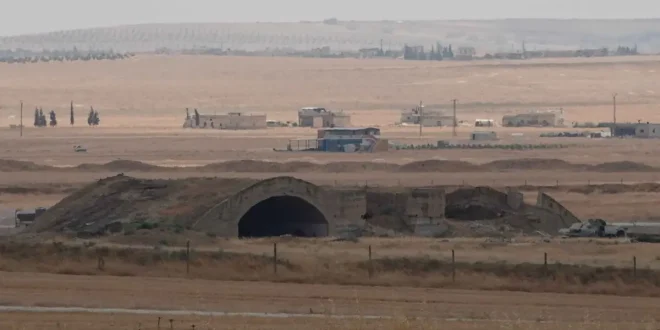
Reports from Syrian state media confirmed on Tuesday that Israel had launched at least eight airstrikes on the Abu al-Duhur air base, located near Aleppo in northwest Syria. Targets included the runway and storage facilities. While initial reports indicated no casualties, the attack quickly drew fire from global capitals.
Pakistan’s Foreign Office (FO) was quick to issue a categorical condemnation, asserting that such “provocative actions” possess the dangerous potential to “further undermine regional peace and stability.” Islamabad underscored its “unwavering solidarity” with the Syrian people and reaffirmed its full support for Syria’s sovereignty, territorial integrity, peace, and prosperity. Pakistan urged the international community to intervene and hold Israeli forces accountable for their destabilizing activities and repeated violations of international law.
The United States envoy for Syria, Tom Barrack, confirmed Israel’s involvement, describing the strikes as an “unnecessary escalation” that does not contribute to regional stability. He advocated for “logical discourse over further military incidents.”
In a notable move, Israeli Prime Minister Benjamin Netanyahu’s office offered an indirect justification after initial silence. The statement claimed Syria was on the verge of violating a security “status quo” by allowing Turkish troops to deploy at the air base, a move Israel deemed a threat to its security. However, this claim was swiftly rejected by the Turkish government, which labelled Israel’s allegations as “frivolous” and an attempt to legitimize unlawful attacks on Syrian sovereignty and territorial integrity.
Background: A Region Under Constant Strain
The recent airstrikes are not isolated events but are deeply embedded in a complex web of historical animosities, ongoing conflicts, and competing regional interests.
The Israel-Syria Dynamic: Israel and Syria have been in a state of conflict for decades. Israel frequently targets locations within Syria, citing concerns over Iran’s military entrenchment, the transfer of advanced weaponry to Hezbollah in Lebanon, and the consolidation of hostile forces near its borders. This strategy, often termed the “war between the wars,” aims to degrade enemy capabilities and deter threats without engaging in full-scale conflict. The claim regarding Turkish troop deployment, however, introduces a new, multifaceted element to Israel’s stated security justifications.
Syria’s Protracted Civil War: Syria has been embroiled in a devastating civil war for over a decade, transforming it into a battleground for numerous local, regional, and international actors. The Abu al-Duhur air base itself has seen multiple changes of control throughout the conflict, highlighting the country’s fractured state. Over the course of this prolonged conflict, Israel has repeatedly struck Syrian government sites, particularly in the southern and central regions.
Turkey’s Strategic Presence in Syria: Turkey’s involvement in Syria is driven by its own security interests, including combating Kurdish militant groups and securing its borders. The prospect of Turkish troops deploying at the Abu al-Duhur base, as alleged by Israel, adds another layer of complexity to an already volatile region. This situation could pit Turkey, a NATO member, directly against Israeli security operations, creating potential diplomatic and military flashpoints.
The Principle of Sovereignty and International Law: At the core of much of the international condemnation, including Pakistan’s, lies the fundamental principle of state sovereignty. Unilateral military actions across international borders are generally considered violations of international law, unless explicitly sanctioned by the UN Security Council or conducted in legitimate self-defense against an imminent armed attack. Israel’s repeated strikes in Syria consistently draw scrutiny regarding their compliance with these international norms.
Impact on Pakistan: Diplomatic Resonance and Regional Concerns
While geographically distant from the conflict, Pakistan’s strong reaction to the Israeli airstrikes is a significant indicator of its consistent foreign policy principles and broader regional outlook.
- Upholding International Law: Pakistan has historically been a vocal advocate for adherence to international law and the principles enshrined in the UN Charter, particularly regarding state sovereignty and territorial integrity. Its condemnation aligns perfectly with this long-standing commitment against unilateral military actions.
- Solidarity with Muslim Nations: As a leading Muslim-majority nation, Pakistan maintains strong diplomatic, cultural, and ideological ties with Syria and the wider Arab and Muslim world. Its “unwavering solidarity” reflects a principled stance of supporting fellow Muslim countries against external aggression, especially concerning Israeli actions in the region, which often resonate with Pakistan’s strong support for the Palestinian cause.
- Concern for Regional Stability: Islamabad recognizes that sustained instability in the Middle East has far-reaching consequences for global peace and security. By emphasizing the potential to “further undermine regional peace,” Pakistan signals its broader concern for an already fragile geopolitical environment that could spiral into wider conflicts.
- Diplomatic Signaling: Pakistan’s condemnation serves as an important diplomatic signal, reinforcing its position as a defender of sovereign rights and a critic of actions perceived as destabilizing. It contributes to a collective international voice pushing for accountability and adherence to global norms.
- No Direct Security Threat: It is crucial to note that these events do not pose a direct security threat to Pakistan itself. The impact is primarily diplomatic, ideological, and reflective of Pakistan’s established foreign policy tenets and its role in the Muslim world.
Analysis: Layers of Escalation and Future Outlook
The Israeli strike on Abu al-Duhur, coupled with the varied international responses, reveals several critical facets of the evolving geopolitical landscape in the Middle East.
Israel’s Evolving Strategic Calculus: Israel’s justification, focusing on the alleged deployment of Turkish troops, marks a potentially significant broadening of its perceived threats in Syria. This suggests that Israel is not only concerned with Iranian proxies and arms transfers but also with any significant foreign military presence or strategic shift in Syria that could alter the regional balance of power. This underscores Israel’s resolve to maintain its freedom of operation in Syrian airspace and its proactive deterrence policy, even at the risk of friction with other regional powers.
The US Balancing Act: The US envoy’s measured response—acknowledging the strike while calling it an “unnecessary escalation”—highlights the delicate tightrope walk of American foreign policy. The US is a steadfast ally of Israel but also seeks stability in the region and works with Turkey, a key NATO partner. This nuanced position attempts to de-escalate tensions without alienating either ally, reflecting the intricate diplomatic challenges Washington faces in the Syrian quagmire.
Heightened Risk of Broader Conflict: Turkey’s immediate rejection of Israel’s allegations signifies its firm commitment to its sovereign and regional interests. If Turkey proceeds with troop deployments as alleged, and Israel continues to act on these perceived threats, the chances of a direct confrontation or a significant diplomatic crisis involving multiple regional and global powers could escalate. This incident potentially draws Turkey, a formidable regional player, more directly into the Israeli-Syrian conflict dynamic.
Challenges to International Law: Pakistan’s resolute emphasis on international law and accountability resonates with wider global concerns about the erosion of national sovereignty in conflict zones. When states repeatedly undertake unilateral military actions across borders, even under the guise of self-defense, it strains the foundational principles of international relations and can lead to a dangerous precedent of impunity. The ongoing nature of Israeli strikes in Syria keeps this issue at the forefront of international discourse.
A Bleak Outlook for Syrian Sovereignty: For Syria, these events are another testament to its continued vulnerability and the profound challenges it faces in reclaiming full sovereignty and stability after years of civil war. The country remains a strategic chessboard for various external actors, each pursuing their own security and geopolitical objectives, often at Syria’s expense.
In conclusion, Pakistan’s decisive condemnation of the Israeli airstrikes in Syria is a principled stand, echoing its consistent foreign policy on international law, regional stability, and solidarity. The incident itself, driven by Israel’s evolving security paradigm and now directly implicating Turkey, signals a potentially more volatile phase in the Syrian conflict. This complex interplay of regional powers demands urgent international attention and a renewed commitment to diplomatic solutions to avert further escalation.
“`