Dost Pakistan Journeys Tours and safaris in the North & South Pakistsn
Related Articles
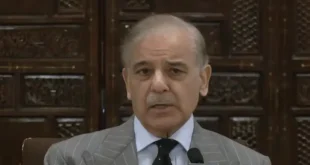
President Zardari’s Germany Visit: A Strategic Reset for Pakistan’s European Ties
Examining the implications of Pakistan’s high-level engagement with Germany on its 75th diplomatic anniversary.
The News
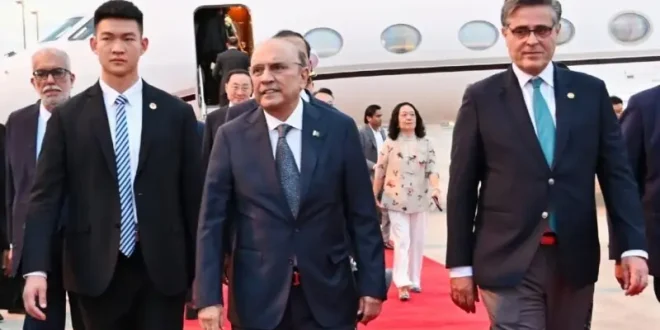
President Asif Ali Zardari recently embarked on a pivotal three-day visit to Germany, a diplomatic exchange underscored by the forthcoming 75th anniversary of established bilateral relations between the two nations. Departing from Lahore, President Zardari’s itinerary, scheduled from October 22-24, aims to bolster Pakistan-Germany bilateral ties, with a particular emphasis on fostering economic and trade cooperation.
The President’s office confirmed his departure for Germany, while the Foreign Office highlighted the visit’s significance in cementing the deep commitment of both countries to strengthening their partnership. Key engagements during the trip include meetings with German President Frank-Walter Steinmeier, along with senior political and business leaders, signaling a clear intent to elevate economic dialogue.
Notably, Sindh Chief Minister Murad Ali Shah is also expected to accompany President Zardari, indicating potential discussions around German technological assistance, such as for the clean-up of Manchhar Lake. This visit builds upon recent high-level interactions, including Deputy Prime Minister Ishaq Dar’s meeting with German Foreign Minister Johann Wadephul at the UN General Assembly in September, where Germany lauded Pakistan’s mediation efforts in regional conflicts like the Strait of Hormuz. Furthermore, a German delegation in June had expressed plans to bring approximately 30 German companies to Pakistan, aiming to connect local businesses with European markets.
Background: Decades of Diplomatic Engagement
The upcoming 75th anniversary of Pakistan-Germany diplomatic relations serves as a significant backdrop to President Zardari’s visit. For three-quarters of a century, Germany has remained a vital European partner for Pakistan, engaging across various sectors from development aid and cultural exchange to trade and education. Germany, as an economic powerhouse within the European Union, represents a crucial gateway to broader European markets and advanced technological expertise.
Pakistan, with its strategic geopolitical location at the crossroads of South Asia, Central Asia, and the Middle East, has long been a significant player in regional stability. Germany’s appreciation for Pakistan’s mediation efforts in sensitive areas like the Strait of Hormuz and Bab al-Mandab underscores this strategic importance. These acknowledgments highlight Pakistan’s growing role as a responsible international actor capable of contributing to de-escalation in complex regional scenarios.
Economically, Pakistan faces ongoing challenges, making foreign direct investment, technology transfer, and diversified trade partnerships imperative for sustainable growth. Germany’s robust industrial base and technological innovation offer considerable potential to assist Pakistan in sectors ranging from renewable energy and manufacturing to infrastructure development and environmental management.
The recent engagements, including the German delegation’s outreach to Pakistani businesses and the high-level talks at the UN General Assembly, demonstrate a proactive effort from both sides to revitalize and deepen this long-standing relationship, setting the stage for President Zardari’s current mission.
Impact on Pakistan: Economic Revival and Strategic Positioning
President Zardari’s visit holds substantial implications for Pakistan, particularly in its quest for economic revival and enhanced international standing. The explicit focus on economic and trade cooperation during the discussions with German business leaders and officials is a direct response to Pakistan’s urgent need for foreign investment and export growth.
Economic Benefits:
- Increased Foreign Investment: Germany’s reputation for high-quality engineering and manufacturing could translate into significant investments in Pakistan’s industrial sectors, job creation, and economic growth.
- Enhanced Trade Opportunities: Facilitating access for Pakistani products to European markets, as previously discussed by the German delegation, can boost Pakistan’s exports, helping to alleviate trade deficits.
- Technology Transfer: The potential for collaboration in areas like environmental technology, exemplified by discussions around cleaning Manchhar Lake with German expertise, highlights opportunities for Pakistan to adopt advanced solutions for its developmental challenges.
- Diversification of Partnerships: Strengthening ties with a key EU member reduces Pakistan’s over-reliance on a few traditional partners, offering greater flexibility and resilience in its international economic strategy.
Diplomatic and Strategic Benefits:
- Bolstering European Ties: This high-level engagement reinforces Pakistan’s commitment to its relationships with major European powers, enhancing its diplomatic footprint in a crucial global bloc.
- Recognition as a Stabilizing Force: Germany’s appreciation for Pakistan’s mediation efforts elevates its profile as a constructive actor in regional and global security matters, fostering goodwill and trust.
- Cooperation on Global Challenges: Discussions on global issues, including peace for Ukraine, indicate Pakistan’s willingness to engage on broader international concerns, aligning its foreign policy with key global agendas.
Overall, the visit aims to unlock new avenues for sustainable economic development and solidify Pakistan’s position as a reliable and strategic partner on the global stage, especially within Europe.
Analysis: Beyond Ceremony, Towards Tangible Partnerships
President Zardari’s trip to Germany is more than a ceremonial acknowledgment of 75 years of diplomatic relations; it signifies a deliberate and strategic effort by Pakistan to recalibrate and invigorate its engagement with a pivotal European nation. In an era where global alliances are shifting and economic pressures are mounting, such high-level dialogues are critical for Pakistan to secure its future interests.
The explicit emphasis on Germany Pakistan trade and investment is a pragmatic response to Pakistan’s enduring economic challenges. By directly engaging German business leaders and policymakers, Pakistan is signaling its intent to attract the capital, technology, and expertise necessary for industrial growth, infrastructure development, and job creation. The proposed initiative to connect Pakistani businesses with European markets through German channels holds immense potential for diversifying Pakistan’s export base and integrating it more deeply into the global supply chain.
Strategically, Germany’s acknowledgment of Pakistan’s mediation efforts in critical waterways like the Strait of Hormuz and Bab al-Mandab is a significant diplomatic win. It underscores Pakistan’s often-understated role in regional stability and its capacity to act as a bridge-builder. This recognition can enhance Pakistan’s credibility and influence, making it a more attractive partner for dialogue on complex geopolitical issues, including the call to “get negotiations on peace for Ukraine going.” This suggests a potential for Pakistan to play a constructive role in broader international peace efforts, aligning with its long-standing foreign policy principles.
Furthermore, the participation of Sindh Chief Minister Murad Ali Shah points towards a practical, sector-specific collaboration. The discussion around German technology for the Manchhar Lake clean-up is a microcosm of the broader potential for German expertise to address Pakistan’s environmental and developmental challenges. Such targeted collaborations can serve as successful models for future, larger-scale projects.
However, for these ambitious goals to materialize, Pakistan must continue to foster a conducive environment for foreign investment, ensuring policy consistency, ease of doing business, and security. The visit lays a robust foundation, but sustained effort will be required to translate diplomatic goodwill into lasting economic and strategic partnerships. In essence, President Zardari’s Germany visit marks a crucial step in cementing a forward-looking relationship, positioning Pakistan as a reliable and economically viable partner in the heart of Europe.