Dost Pakistan Journeys Tours and safaris in the North & South Pakistsn
Related Articles

“`html
Pakistan’s Diplomatic Tightrope: Facilitating Repatriation Amidst US-Iran Maritime Tensions
In a volatile geopolitical landscape where international relations are often fraught with tension, Pakistan has quietly carved out a crucial role as a humanitarian bridge. The ongoing repatriation of Iranian sailors, caught in the crosshairs of recent maritime confrontations between the United States and Iran, underscores Islamabad’s nuanced foreign policy and its commitment to regional stability and human welfare.
The News: A Beacon of Humanitarian Diplomacy
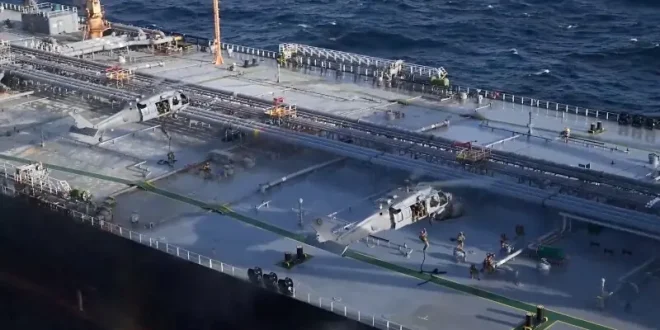
Deputy Prime Minister and Foreign Minister Ishaq Dar recently confirmed the arrival in Pakistan of another 22 Iranian crew members. These sailors were aboard the M/T Davina, an oil tanker interdicted and seized by US forces during a period of heightened US-Iran maritime activity. This latest success marks the fourth such group repatriated by Pakistan, bringing the total number of Iranian nationals facilitated through Pakistani territory to over 70 in just two months. Dar emphasized Pakistan’s consistent engagement with both American and Iranian authorities throughout this intricate process, highlighting a delicate balance of diplomatic communication.
Beyond assisting its Iranian neighbors, Pakistan has also diligently worked to secure the freedom and safe return of its own citizens caught in similar maritime incidents. This dual focus reinforces Pakistan’s image as a responsible nation prioritizing the welfare of all individuals impacted by international conflicts.
Context and Background: Navigating the “US-Iran War” at Sea
The seizures of vessels like the M/T Davina and others occurred within a specific period termed in reports as a “US-Iran war,” which reportedly began on February 28. While not a conventional, declared war, this phrasing indicates a significant escalation of tensions and direct confrontations, particularly in strategic maritime zones. A key development during this period was the imposition of a US naval blockade on April 13, targeting oil tankers and commercial vessels attempting to enter or exit Iranian ports. This blockade served as a potent tool to enforce international sanctions against Iran, aiming to disrupt its vital maritime trade and economic lifeline.
Several incidents illustrate the intensity of this confrontation:
- M/T Davina: An oil tanker seized by American forces through an “overnight interdiction.” Its crew members constitute the latest group repatriated via Pakistan.
- M/V Touska: A container ship belonging to the Islamic Republic of Iran Shipping Lines (IRISL)—an entity already subject to US sanctions—was boarded and seized off Iran’s Chabahar port in the Gulf of Oman on April 19. Pakistan was instrumental in repatriating its crew and facilitating the vessel’s return for repairs.
These interdictions were not limited to the immediate vicinity of Iranian ports but extended into international waters, signaling a broad application of US pressure. Crucially, this period of heightened hostilities was eventually brought to a halt by the signing of the Islamabad Memorandum of Understanding (MoU). This signifies a diplomatic breakthrough, likely brokered or hosted by Pakistan, which transitioned the confrontation from active hostilities to a more stable, albeit still tense, state.
Impact on Pakistan: A Diplomatic Nexus
Pakistan’s consistent involvement in facilitating these repatriations is a testament to a shrewd and strategic foreign policy, yielding multifaceted benefits:
- Humanitarian Leadership: By stepping up as a neutral facilitator for the safe return of distressed sailors, Pakistan showcases its commitment to humanitarian values, earning goodwill and enhancing its international stature as a compassionate and responsible actor.
- Balancing Act in Regional Geopolitics: Islamabad skillfully navigates its complex relationships with both the United States and Iran. While maintaining strategic ties with Washington, Iran remains a critical geographical neighbor with shared borders and cultural links. Acting as a bridge allows Pakistan to maintain positive engagement with both powers, carefully avoiding direct entanglement in their disputes.
- Contributor to Regional De-escalation: In a region constantly on edge, Pakistan’s efforts actively contribute to reducing tensions. By providing practical solutions to human-centric aspects of the conflict, it fosters an environment conducive to broader diplomatic engagement, thereby mitigating the risks of further destabilization that could spill over its own borders.
- Strengthening Ties with Iran: The explicit “trust they have reposed in Pakistan,” as articulated by Deputy PM Dar, indicates a deepening of bilateral relations with Tehran. This enhanced trust can unlock future opportunities for cooperation in trade, security, and regional initiatives.
- Showcasing Diplomatic Acumen: The successful coordination of complex repatriations involving multiple international parties, alongside its reported role in the Islamabad MoU, demonstrates Pakistan’s significant diplomatic capabilities. It positions the nation as an effective mediator and facilitator in challenging international scenarios.
Analysis: Beyond the Immediate Crisis
Pakistan’s role in the US-Iran maritime incidents offers compelling insights into contemporary foreign policy. It exemplifies how a strategically located nation can wield humanitarian diplomacy as a powerful tool to enhance its influence and stability without directly taking sides in a major power rivalry. This approach allows Pakistan to accumulate diplomatic capital and affirm its commitment to international law, particularly regarding freedom of navigation and the welfare of seafarers.
The initial framing of a “US-Iran war” underscores the severity of the maritime confrontation, where economic pressure was directly translated into naval interdictions. For Pakistan, a country with significant maritime trade and a long coastline, the security of international waters and the well-being of sailors are not just abstract principles but practical concerns. Its actions reinforce a commitment to stable international maritime commerce.
Furthermore, Pakistan’s reported involvement in the “Islamabad Memorandum of Understanding” which brought the “war” to a halt, is a critical detail. It suggests a more profound diplomatic engagement than merely facilitating transit. It positions Pakistan not only as a mediator but potentially as a key player in the de-escalation of a significant international confrontation. This role undeniably elevates Pakistan’s strategic importance on the global stage, showcasing its potential as a regional peacemaker.
As geopolitical tensions continue to shape the contours of the Middle East and South Asia, Pakistan’s ability to act as a bridge between competing powers will remain invaluable. Its humanitarian diplomacy provides a practical model for navigating intricate rivalries, proving that even amidst profound disagreements, avenues for cooperation and the protection of human lives can and must prevail.
“`