Dost Pakistan Journeys Tours and safaris in the North & South Pakistsn
Related Articles

Ankara’s Grand Facelift: Behind the NATO Summit Glamour and Local Discontent
The News: Ankara’s Summit Makeover — A Tale of Beauty and Burden
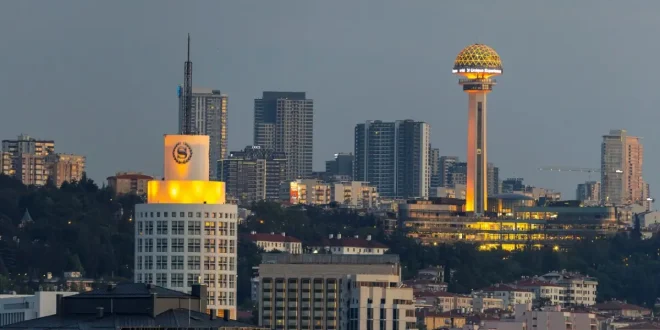
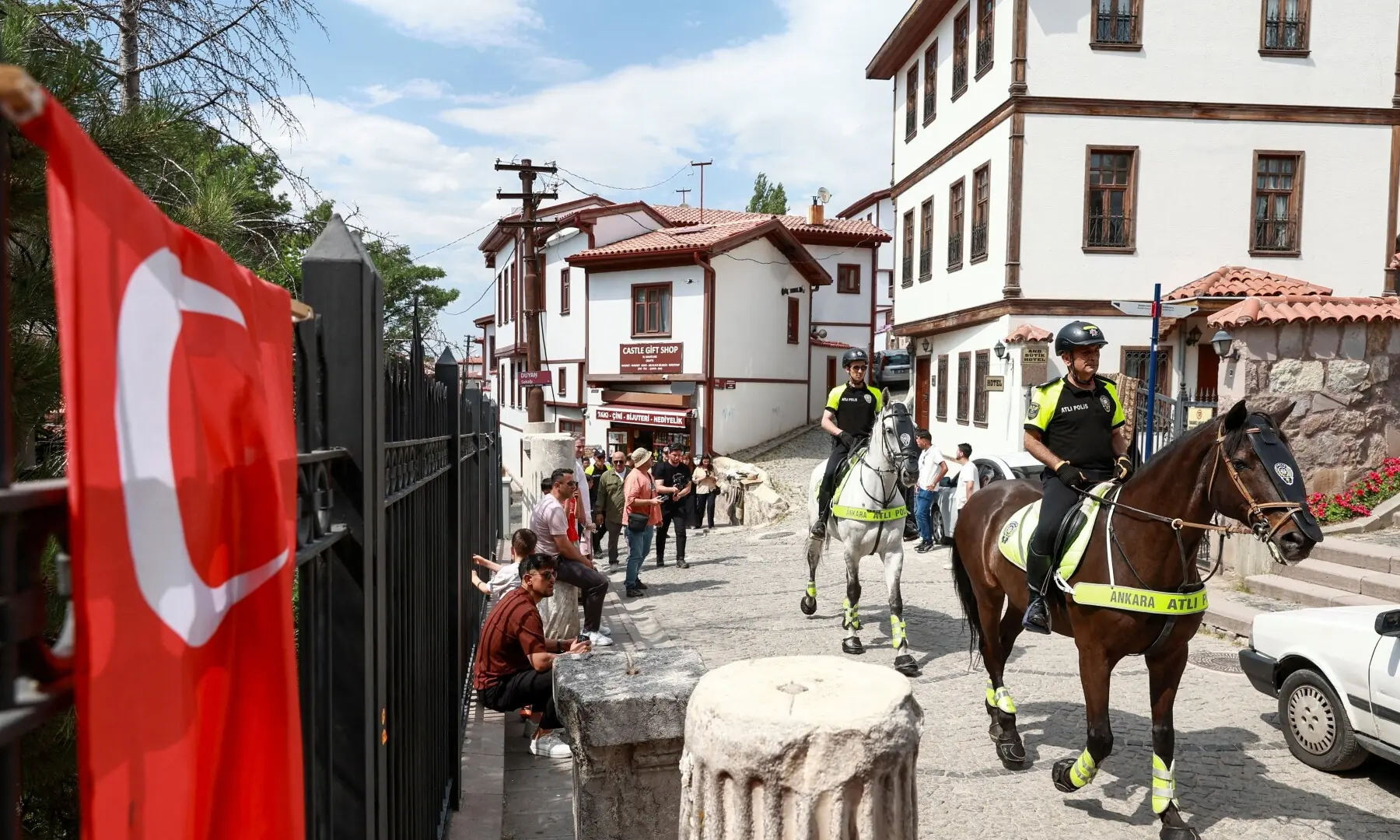
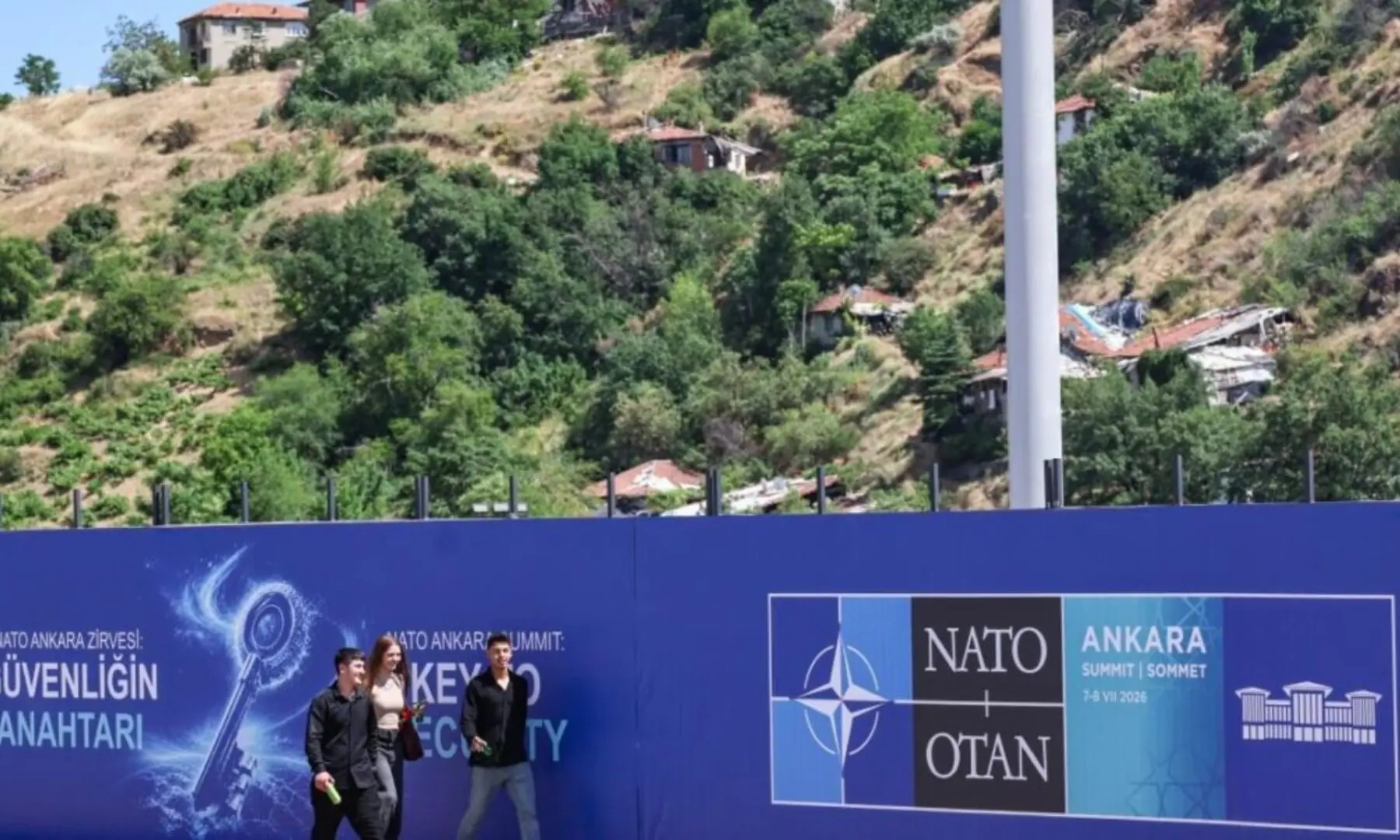
Turkey’s capital, Ankara, is undergoing an extensive and costly transformation as it prepares to host a high-stakes NATO Summit. With leaders from 32 member states, including prominent figures like US President Donald Trump, set to arrive, the city has embarked on a massive beautification drive. This includes planting vast arrays of flowers, erecting giant billboards to obscure less affluent neighborhoods along key routes, and implementing stringent security protocols that will shut down major roads.
While authorities present the estimated $235 million investment, which includes renovation of a military airport and new road construction, as long-term infrastructural upgrades, the immediate impact on Ankara’s nearly six million residents has been largely negative. Small business owners face forced closures and significant income loss, while ordinary citizens grapple with widespread road closures and disrupted public services. Many locals have voiced strong criticism, lamenting that their city has become an “open-air prison” and feeling like “unwanted guests” in their own homes. The inconvenience has even led many residents to leave the city during the summit period, with public transport disruptions and closures making daily life unsustainable. Amidst the chaos, some taxi drivers are even being encouraged to offer water, Turkish Delight, and cologne as part of a charm offensive for foreign dignitaries, a gesture that starkly contrasts with the general sentiment of local frustration.
Contextualizing the Grand Display: Why Nations Go All Out for Summits
The extensive preparations in Ankara are not merely about aesthetics; they represent a significant diplomatic and strategic effort by Turkey. Hosting a NATO Summit is a prestigious event for any member nation, offering a prime opportunity to showcase stability, economic prowess, and geopolitical importance on a global stage. For Turkey, a key player at the crossroads of Europe and Asia and a long-standing NATO ally, this summit is particularly significant.
In recent years, Turkey’s relationship with some Western allies has seen periods of strain, making the projection of an organized, modern, and welcoming image even more crucial. Such an event allows the host country to engage in vital bilateral discussions, influence alliance priorities, and reinforce its diplomatic standing. The concept of “soft power”—the ability to attract and persuade through cultural and ideological appeal—is paramount here. An impressive host city, efficient logistics, and a display of warm hospitality are all designed to foster goodwill, attract foreign investment, and boost tourism, contributing to a nation’s overall brand image. While the costs are substantial, governments often frame these investments as long-term urban development projects that benefit infrastructure beyond the summit itself, aiming to justify the expenditure to their citizens.
Beyond Borders: The Broader Echoes and Potential Lessons for Pakistan
While Pakistan is not a NATO member, the Ankara summit’s extensive preparations and their impact offer valuable insights and potential lessons for nations like Pakistan, which frequently host high-profile international events and dignitaries. Pakistan, too, undertakes significant efforts to present a favorable image during global gatherings such as OIC Summits, state visits, or sporting events. This often involves urban beautification projects, heightened security measures, and disruption to daily life, mirroring Ankara’s current experience.
The incident highlights a universal challenge for developing nations: balancing the imperative of projecting a positive national image to the world with the immediate practical concerns and potential hardships imposed upon their own citizens. Pakistan often grapples with similar debates regarding large-scale infrastructure spending, security protocols, and the temporary sealing off of areas for VIP movement. The discontent expressed by Ankara residents serves as a potent reminder of the critical need for transparent planning, effective public communication regarding disruptions, and, crucially, mechanisms for compensating businesses and individuals adversely affected by such events.
Furthermore, a successful NATO Summit for Turkey could indirectly strengthen its diplomatic and economic standing within the Muslim world and with allies like Pakistan. A stable and influential Turkey on the global stage can foster greater bilateral cooperation, investment, and strategic alignment, impacting regional dynamics that Pakistan closely monitors. Thus, while seemingly distant, the Ankara episode resonates with the complexities of governance and image management faced by many nations, including Pakistan, in an interconnected world.
A Tale of Two Ankaras: The Disconnect Between Diplomacy and Domestic Reality
The Ankara NATO Summit preparations expose a stark dichotomy: a meticulously crafted image for international consumption versus a disruptive and often frustrating reality for the local populace. This “tale of two Ankaras” underscores the inherent tension when national diplomatic aspirations overshadow citizen welfare.
The government’s messages plastered on billboards, proclaiming “Key to Peace” and “Key to Security,” stand in stark contrast to the residents’ experience of their city becoming an “open-air prison.” This sentiment is not merely hyperbole; it reflects a genuine curtailment of personal freedoms and economic opportunities. Small businesses, the lifeblood of urban economies, are forced to close or face drastic revenue drops due to blocked entrances and reduced foot traffic, often without adequate compensation. Claims of long-term infrastructural investment ring hollow to a shopkeeper facing bankruptcy in the immediate term.
Perhaps most symbolically, the act of erecting giant billboards to “shield views of dilapidated homes and poorer neighbourhoods” speaks volumes. It’s an admission of existing social disparities that are being hidden, rather than addressed. This superficial beautification prioritizes appearance over substance, signaling a governance approach that values external perception over internal well-being. The irony is palpable: while taxi drivers are instructed to embody “Turkish hospitality” with sweets and cologne for foreign guests, Ankara’s own citizens are made to feel like “unwanted guests” in their own city, denied access to parks and public spaces.
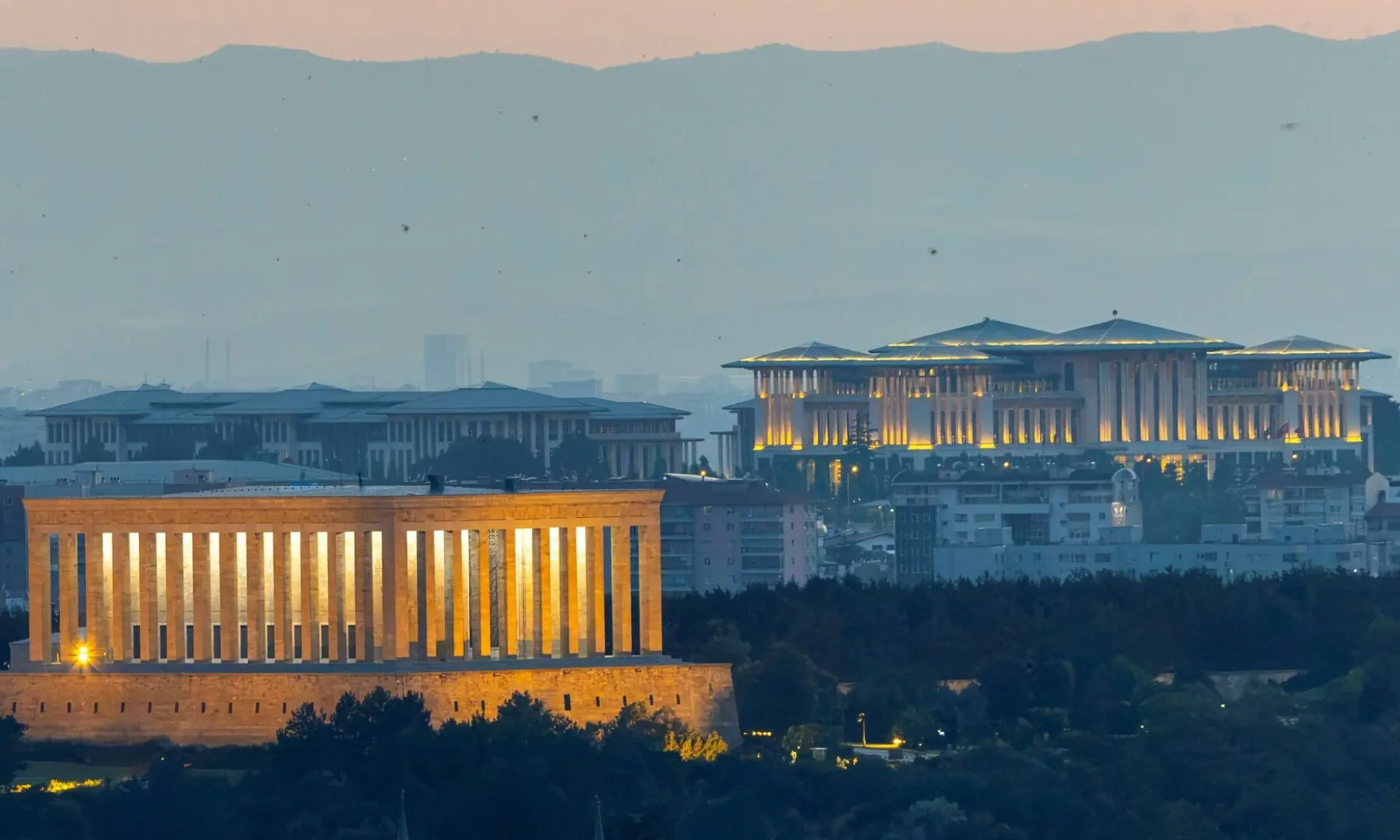
The social media jokes, suggesting “Nato treatments” or the absurd notion of bringing the sea to Ankara, highlight a collective cynicism. They reveal a public keenly aware of the performative nature of these grand gestures and frustrated by the disproportionate allocation of resources. The core grievance, eloquently summarized by a bakery owner, is that “All this effort is great, but I wish it had been for us and not for Nato.”
Ultimately, while hosting a NATO Summit is undoubtedly crucial for Turkey’s international standing and diplomatic objectives, the current approach risks alienating its own populace. A nation’s true strength and appeal are not solely measured by its ability to host world leaders in a pristine environment, but also by its capacity to ensure the dignity, well-being, and respect of its own citizens. Without addressing this fundamental disconnect, the grand makeover of Ankara risks being perceived as a hollow spectacle, one that prioritizes external validation over internal cohesion.