 Dost Pakistan Journeys Tours and safaris in the North & South Pakistsn
Related Articles

Chitral’s Missed Opportunity: The Unnoticed International Markhor Day and its Conservation Implications
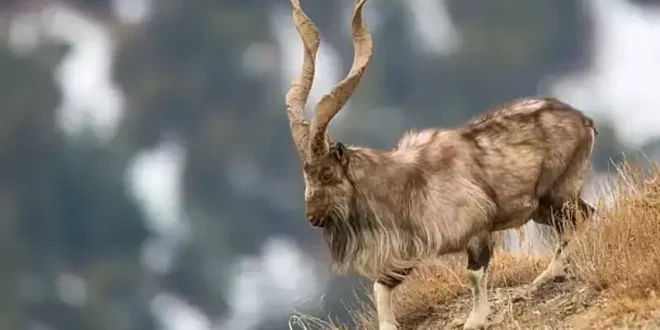
CHITRAL, Pakistan – In a stark reflection of potential disconnect between international commitments and local action, the International Day of the Markhor, celebrated globally on May 24, once again passed without official recognition or fanfare in Chitral. For the second consecutive year, the local wildlife department in this crucial region, home to the largest population of the magnificent Kashmir Markhor, failed to organize any commemorative events or awareness drives. This oversight has drawn sharp criticism from local ecologists and conservationists, raising significant questions about Pakistan’s dedication to preserving its national animal and its rich biodiversity.
What Happened? A Silent Day for Pakistan’s National Animal
The International Day of the Markhor, a date specifically designated to spotlight the ecological significance of this majestic mountain goat, went entirely unacknowledged in Chitral. Despite the presence of two divisional offices of the wildlife department and Chitral Gol National Park hosting a substantial population of the Kashmir Markhor, no ceremonies, educational programs, or public awareness initiatives were undertaken. This silence stands in stark contrast to the global intent behind the day, leaving local experts dismayed at what they perceive as official negligence. Attempts to reach Rizwanullah, the Divisional Forest Officer of Chitral Gol National Park’s Wildlife Division, for comment proved futile, further highlighting a concerning lack of transparency and accountability.
Background: A Global Call Championed by Pakistan
The International Day of the Markhor was not merely a random designation but a deliberate initiative spearheaded by the United Nations General Assembly (UNGA) two years prior. Notably, Pakistan played a pivotal role in its establishment, actively sponsoring the UNGA resolution alongside eight other nations. The very purpose of this day was to galvanize global support for the preservation of the Markhor – an iconic, near-threatened species celebrated for its unique physique, majestic flared horns, and distinctive beauty – and to protect its rugged mountain habitats. The Markhor holds a special place as Pakistan’s national animal, symbolizing the country’s untamed natural heritage and its commitment to conservation on the global stage. Chitral Gol National Park, specifically, is a critical sanctuary for the Kashmir Markhor, making local engagement in its conservation paramount.
Why It Matters: More Than Just a Missed Celebration
The failure to mark International Markhor Day in Chitral is far more than a simple oversight; it carries significant implications. Firstly, it sends a deeply troubling message about Pakistan’s actual conservation priorities, particularly concerning its own national symbol. Secondly, it creates a glaring diplomatic irony: Pakistan championed the creation of this day on the world stage, yet struggles to implement its spirit in one of the Markhor’s most vital habitats. This discrepancy can undermine Pakistan’s credibility as a committed environmental steward. Thirdly, it represents a missed opportunity for local engagement. Awareness days are crucial for educating communities, especially younger generations, about the importance of wildlife protection, fostering a sense of stewardship, and potentially attracting much-needed funding and international collaborations for conservation efforts. The Markhor, as an indicator species, reflects the health of its mountain ecosystem. Its well-being is intrinsically linked to the overall biodiversity and ecological balance of the region, making its conservation efforts critical.
Impact on Pakistan: Credibility, Economy, and Biodiversity
The continued neglect of International Markhor Day can have multifaceted negative impacts on Pakistan. Globally, it risks eroding Pakistan’s reputation and global standing as a nation committed to environmental protection and the safeguarding of endangered species. Domestically, it hinders broader national conservation goals and potentially undermines the hard work of dedicated conservationists. Economically, a thriving Markhor population, actively celebrated and protected, could significantly boost eco-tourism in regions like Chitral, generating revenue and creating local employment opportunities. By overlooking such crucial awareness days, Pakistan might be inadvertently sacrificing potential tourism benefits and international conservation grants. Most importantly, a lack of consistent focus on Markhor protection could contribute to a decline in its population, representing an irreversible loss to Pakistan’s rich biodiversity and national heritage. This sets a concerning precedent for other critical national conservation initiatives.
Analysis: Bridging the Gap Between Policy and Practice
The recurring failure to observe International Markhor Day in Chitral points to a worrying gap between Pakistan’s high-level environmental policy and its on-the-ground implementation. Is this due to bureaucratic inertia, a severe lack of resources, insufficient capacity within the local wildlife department, or simply a low prioritization of conservation efforts amidst other pressing concerns? The inability to establish contact with the relevant DFO suggests potential issues with accountability and responsiveness within the local administration. While the federal government and diplomatic corps may champion global environmental initiatives, the true test lies in the provincial and local authorities’ ability to translate these commitments into tangible action. Sustainable conservation hinges on local ownership and active community involvement. For effective Markhor conservation in Pakistan, there is an urgent need for the provincial wildlife board to issue clear directives, ensure adequate funding and resources for Chitral Gol National Park, and establish robust accountability mechanisms. Proactive engagement with local communities, educational institutions, and non-governmental organizations is essential to foster a collective responsibility for protecting the Markhor, ensuring that future International Markhor Days in its primary habitat are marked not with silence, but with celebration and renewed commitment.
