Dost Pakistan Journeys Tours and safaris in the North & South Pakistsn
Related Articles


“`html
US Sanctions on ICC: A Blow to Global Justice or a Defense of Sovereignty? And What It Means for Nations Like Pakistan
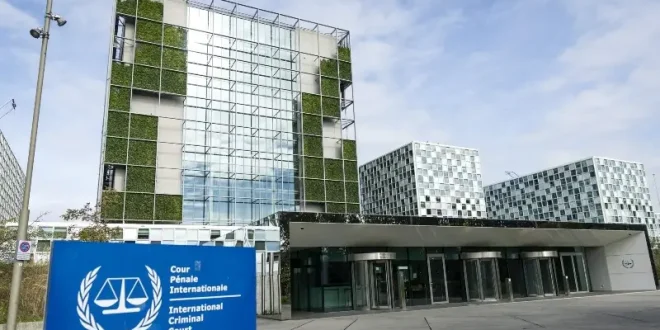
The global stage witnessed a dramatic confrontation recently as the United States levied sweeping sanctions against the International Criminal Court (ICC). This aggressive move, coming mere hours after former ICC judge Navi Pillay was awarded the Nobel Peace Prize, has ignited a fierce debate about national sovereignty, international justice, and the future of multilateral institutions.
The Latest Development: Washington’s Crackdown on the ICC
In an unprecedented escalation, the US administration declared a financial blockade against the Hague-based tribunal, with Secretary of State Marco Rubio asserting that Washington would “end the ICC” if it continued its investigations into American personnel. This pronouncement accompanied a ban on transactions with what Rubio termed a “rogue court,” reinforcing the US stance that it must protect its security forces and elected officials from external prosecution. The timing of these sanctions was particularly poignant, coinciding with the Nobel Committee’s recognition of Navi Pillay, an 85-year-old jurist whose career has been dedicated to upholding international law, including her tenure at the ICC and leading a UN commission that accused Israel of genocide in Gaza.
The ICC, however, quickly condemned the US actions as an “assault on the rule of law” and a fundamental challenge to the international legal order. It vowed to continue its mandate with independence and impartiality, calling upon its 125 member states to stand in solidarity. This sentiment was echoed by a chorus of international voices, including the foreign ministers of major US allies like Canada, France, Germany, and the United Kingdom, along with the United Nations and prominent human rights organizations such as Amnesty International. While condemning the sanctions, Dutch Prime Minister Rob Jetten suggested utilizing a six-month pause before the sanctions take full effect as an opportunity for dialogue with Washington.
Context and Background: A Protracted Standoff
To fully grasp the magnitude of these sanctions, it’s crucial to understand the historical friction between the United States and the ICC. Established by the Rome Statute in 2002, the ICC was created as a court of last resort to prosecute individuals for the most heinous international crimes: genocide, war crimes, crimes against humanity, and the crime of aggression. Its foundational principle is to ensure that perpetrators of such atrocities do not enjoy impunity, stepping in when national judiciaries are unwilling or unable to act.
Despite playing a role in the conceptualization of the ICC, the United States famously never ratified the Rome Statute. Under President George W. Bush, the US cited concerns about potential politically motivated prosecutions against its military personnel and officials. This stance solidified with the passage of the American Servicemembers’ Protection Act (ASPA), colloquially known as the “Hague Invasion Act,” which authorizes the use of military force to free any US or allied citizen detained by the ICC. This deep-seated distrust stems from a strong belief in US sovereignty and the sufficiency of its own justice system to handle any alleged misconduct by its citizens.
The recent intensification of hostilities under the Trump administration follows the ICC’s investigations into alleged war crimes committed in Afghanistan – a probe that could potentially implicate US military personnel – and its examination of alleged actions in Palestinian territories, which concerns Israel, another non-member state and close US ally. The administration had previously imposed sanctions on individual ICC officials, including its chief prosecutor and judges, a clear signal of its determination to thwart these investigations. President Trump had even called for all ICC member states to abandon the institution, branding it an “out of control” and “rogue institution.”
Impact on Pakistan: Navigating a Complex Legal Landscape
Pakistan’s relationship with the ICC is nuanced. While Pakistan is a signatory to the Rome Statute, it has not yet ratified it. This places it in a unique position, acknowledging the treaty’s principles but not formally subjecting itself to the Court’s jurisdiction. Pakistan’s hesitance, similar to the US, often revolves around concerns regarding national sovereignty and the potential implications for its military and political leadership, particularly given its involvement in counter-terrorism operations and the ongoing Kashmir dispute.
The recent US sanctions on the ICC carry several implications for Pakistan:
- Weakening of International Legal Frameworks: As a nation that frequently advocates for international law and human rights on various global platforms, a weakened ICC represents a significant blow to the very international legal order Pakistan often relies upon to address issues such as self-determination for Kashmiris or human rights violations elsewhere.
- Precedent for Powerful States: The US’s ability to effectively target and potentially cripple the ICC sets a concerning precedent. It could embolden other powerful states to disregard international legal institutions or apply similar coercive pressures, undermining the universal application of justice.
- Reinforcing Non-Membership Stance: For non-member states like Pakistan, the US actions might inadvertently reinforce the perceived risks of ratifying the Rome Statute, thereby solidifying their existing stance against full membership due to sovereignty concerns.
- Dilemma in Foreign Policy: Pakistan’s foreign policy often involves a delicate balance between its relationships with major global powers. The explicit US opposition to the ICC adds another layer of complexity, particularly when international legal norms intersect with geopolitical interests.
- Impact on Human Rights Advocacy: A hobbled ICC means fewer avenues for accountability for victims of grave crimes globally. This directly affects the broader cause of human rights advocacy, which Pakistan often supports.
The sanctions could also spark renewed domestic debate within Pakistan regarding the country’s posture towards international legal bodies and whether its national interests are best served by remaining outside the ICC’s jurisdiction.
Analysis: A Clash of Ideologies and the Future of Global Justice
The US sanctions against the ICC represent more than just a diplomatic spat; they are a fundamental clash between two powerful, often conflicting, paradigms: national sovereignty versus universal jurisdiction and international criminal justice. The US, upholding a strong interpretation of its sovereignty and military exceptionalism, believes its domestic legal system is fully capable of addressing any alleged transgressions by its citizens, viewing the ICC’s jurisdiction as an unwarranted encroachment.
Secretary Rubio’s characterization of the ICC as a “rogue court” stands in stark contrast to the institution’s self-perception as the bedrock of international accountability, where “no one stands above the law.” This ideological divide highlights a broader struggle over the legitimacy and authority of supranational legal bodies in an increasingly interconnected yet fiercely nationalistic world.
The immediate effectiveness of these sanctions remains to be seen. While they undoubtedly pose significant operational and financial challenges for the ICC, the widespread international condemnation and the unified support from its member states suggest that the US actions may inadvertently galvanize rather than cripple the institution. The joint statement from multiple allied nations underscores a commitment to the ICC, even if it creates friction within their relationships with Washington.
The timing of the Nobel Peace Prize for Navi Pillay serves as a powerful symbolic counter-narrative, reminding the world of the profound human cost of impunity and the enduring importance of seeking justice for mass atrocities. This incident is a severe blow to the international liberal order and the principle of multilateralism. It signals to authoritarian regimes that international legal accountability can be circumvented, while simultaneously creating fissures among democratic allies who generally champion international law.
Ultimately, the saga of US sanctions on the ICC is a critical moment for the future of international justice. It forces nations to choose sides and reflect on their commitment to a rules-based global order. Whether this confrontation leads to the ICC’s demise or, conversely, solidifies its indispensable role through renewed global support, history will indeed judge this moment and its profound implications for human rights and accountability worldwide.
“`