Dost Pakistan Journeys Tours and safaris in the North & South Pakistsn
Related Articles

Pakistan Railways on High Alert: Emergency Declared Amidst Rising Accident Toll
An original analysis by [Your Name/Publication Name]
The News: A National Emergency for Pakistan’s Railways
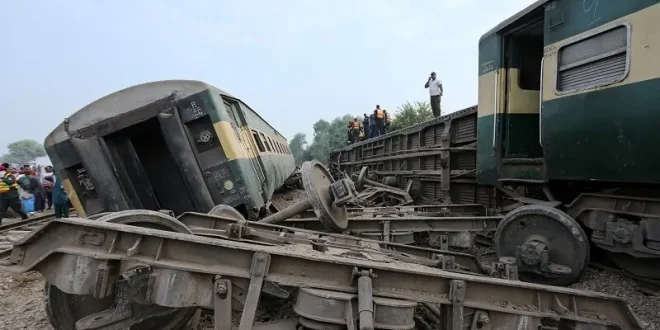
Following a tragic series of train accidents, including a recent fatal derailment near Multan that claimed multiple lives, Pakistan Railways (PR) has initiated an urgent, system-wide emergency. Effective until December 31st, this critical directive mandates the cancellation of all public holidays and non-medical leave for officers and staff across the operational departments. The primary objective is to swiftly address and rectify the deep-seated deficiencies in infrastructure, rolling stock, and operational protocols responsible for the alarming frequency of incidents. Railways Minister Hanif Abbasi has publicly committed to personally overseeing this extensive overhaul, emphasizing accountability and a return to safe, reliable service for both passengers and freight.
Background: A Legacy of Neglect and Underinvestment
The current crisis engulfing Pakistan Railways is not a sudden development but rather the culmination of decades of systemic neglect, chronic underinvestment, and a struggle to adapt to modern railway standards. Once a pivotal network for the nation’s connectivity, PR has seen its operational integrity steadily erode over time. This decline is rooted in several interconnected issues:
- Aging and Deteriorating Infrastructure: A significant portion of Pakistan’s railway tracks and bridges dates back to colonial times or earlier, with many sections desperately requiring complete overhaul. These old tracks, coupled with obsolete manual signaling systems (often referred to as the “kanta system”), are highly susceptible to faults and human error, increasing the risk of derailments and collisions.
- Dilapidated Rolling Stock: The Minister’s stark admission about “dummy coaches” (unfit passenger cars) and “brakeless wagons” highlights a severe crisis in the maintenance and fitness of PR’s fleet. Operating such compromised equipment directly endangers lives and severely impedes the efficiency of both passenger and freight services.
- Insufficient Resources and Maintenance Backlog: Persistent budgetary constraints have meant that PR often struggles to allocate adequate funds for routine, preventative maintenance, staff training, and essential technological upgrades. This scarcity has led to a significant backlog, with the Minister specifically mentioning a decade-long accumulation of deferred maintenance, making the network inherently vulnerable.
- Human Factor and Operational Lapses: While infrastructure issues are paramount, human error stemming from inadequate training, insufficient supervision, or an overworked staff often contributes to incidents. The reliance on manual systems in a high-stakes environment amplifies these risks.
Impact on Pakistan: Beyond the Rails
The recurring train accidents inflict profound and multifaceted consequences that ripple across Pakistan’s economic, social, and psychological landscape, extending far beyond the immediate tragedy of each incident.
- Economic Disruption and Stagnation: Pakistan’s railway network serves as a critical artery for freight transport, linking major ports to industrial centers and facilitating inter-provincial trade. Frequent derailments and operational disruptions cause significant delays in supply chains, inflate logistical costs for businesses, and impede the movement of essential goods, directly impacting economic productivity and investor confidence in a nation striving for growth.
- Erosion of Public Trust and Mobility Challenges: For millions of Pakistanis, railways represent an affordable and often vital mode of long-distance transport. Each accident shatters public confidence in the safety and reliability of the service. This erosion of trust can deter passengers, pushing them towards potentially less safe or more expensive road transport alternatives, further congesting highways and disproportionately affecting lower-income populations who rely on affordable rail travel.
- Profound Human and Social Cost: The most devastating impact remains the tragic loss of life and severe injuries sustained by passengers and railway personnel. These incidents leave indelible scars on families and communities, creating long-term trauma, economic hardship for victims’ dependents, and a collective sense of sorrow and frustration across the nation.
- Reputational Damage: The constant news of accidents tarnishes Pakistan’s international image, potentially discouraging tourism and foreign investment into its infrastructure and transportation sectors.
Analysis: An Ambitious Race Against Time
Minister Hanif Abbasi’s declaration of an emergency is undeniably a bold and aggressive maneuver, signaling a desperate and direct intent to confront the deep-seated crisis within Pakistan Railways. The comprehensive nature of the directives—cancelling leave, mandating rail travel for officers, and demanding daily progress reports—reflects a “war footing” approach aimed at instilling urgency and accountability from the top down. The commitment to clear a 10-year maintenance backlog and ensure all rolling stock is fully operational by January next year is extraordinarily ambitious, given the sheer scale of the challenges and the tight timeframe.
The strategy appears to be built on several critical pillars:
- Intensified Oversight and Accountability: By directly involving the Minister and stripping away holidays for key operational staff, the plan aims to eliminate complacency and create a direct line of responsibility. Making officers use trains for official travel is a powerful symbolic gesture, designed to foster firsthand awareness of the passenger experience and operational realities.
- Immediate Remedial Action on Rolling Stock: Prioritizing the removal and repair of “dummy” coaches, faulty wagons, and locomotives, coupled with expedited procurement of critical parts (like brake cylinders), is essential for immediate safety improvements. The comprehensive “health analysis” of coaches and wagons is a necessary diagnostic step to identify and prioritize repairs.
- Promoting Self-Sufficiency: The directive to manufacture parts and concrete/wooden sleepers locally points towards a longer-term vision. This approach aims to reduce reliance on imports, bolster indigenous industrial capacity, and potentially create a more sustainable and cost-effective maintenance ecosystem.
However, the successful execution and lasting impact of this emergency plan hinge on navigating significant challenges:
- Resource Mobilization and Sustainability: While parts are reportedly arriving, ensuring a continuous and adequate supply chain for all necessary repairs, especially for a decade-long backlog, will demand substantial and consistent financial and logistical resources. The question of sustained funding beyond this emergency period remains critical.
- Technical Expertise and Workforce Capacity: Implementing such widespread repairs and overhauls within a compressed deadline requires not only a large but also a highly skilled and motivated workforce. Addressing the root causes of human error demands not just disciplinary action but also robust training, continuous professional development, and a culture of adherence to safety protocols.
- Systemic Modernization vs. Quick Fixes: While fixing rolling stock and tracks is vital, true reform necessitates modernization of antiquated signaling systems (moving away from the “kanta system”), comprehensive track rehabilitation, and a shift towards proactive rather than reactive maintenance. The emergency measures risk being a temporary fix if underlying systemic issues are not addressed through long-term strategic investment.
- Political Will and Continuity: The efficacy of such ambitious initiatives often depends on unwavering political will and continuity of policy, irrespective of governmental changes. Ensuring that the current momentum translates into lasting structural reforms, rather than just meeting the December 31st deadline, is paramount for Pakistan Railways’ future.
In conclusion, Pakistan Railways stands at a critical juncture, facing both an existential threat and an opportunity for significant reform. The emergency declaration by Minister Abbasi is a necessary and decisive step, reflecting a heightened awareness of the severe systemic issues. While the aggressive targets and hands-on approach offer a glimmer of hope, the path to a truly safe, efficient, and reliable railway system is a long and arduous one, demanding not merely a hurried overhaul but a sustained commitment to modernization, consistent investment, and a profound cultural shift within the organization.