Dost Pakistan Journeys Tours and safaris in the North & South Pakistsn
Related Articles

“`html
Pakistan’s Fuel Shield: A Deep Dive into Refinery Burden Amid Global Crises
In a strategic move to insulate its citizens from the reverberations of escalating global energy prices, the Pakistani government recently announced a significant intervention. By enlisting domestic oil refineries to absorb a substantial financial burden, the nation aims to stabilize petrol prices, offering crucial relief amidst mounting geopolitical tensions that threaten to drive up the cost of living.
The News: Shielding the Consumer from Price Shocks
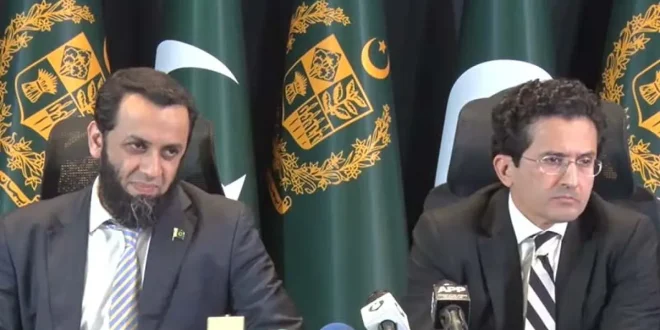
On Monday, Petroleum Minister Ali Pervaiz Malik and Information Minister Attaullah Tarar revealed a government-backed initiative where Pakistani oil refineries would collectively bear a monthly cost of approximately Rs. 15 billion. This strategic absorption of costs is designed to allow petrol to be sold Rs. 15 per litre cheaper than its prevailing price in the international market, effectively preventing an imminent price hike that would have taken effect shortly.
This decision, reportedly championed by Prime Minister Shehbaz Sharif, came after direct consultations with the refinery sector. The ministers highlighted that these refineries had enjoyed healthy profits in the preceding three months and were now requested to contribute to public welfare during these challenging times. The government itself acknowledged the struggle to procure oil at escalating global rates, primarily influenced by the ongoing US-Israeli conflict with Iran.
Beyond this immediate measure, the government expressed its hope for a swift resolution to the Middle East crisis, allowing it to pivot back towards its long-term goals of deregulation and refinery upgrades. The ministers also reiterated that despite global instability, Pakistan faces no immediate fuel shortage, with supplies secured for the coming months. This latest intervention builds upon previous relief efforts, including a targeted fuel subsidy scheme for motorcycle and 800cc car users, which has already benefited over 15 million individuals with allocations totaling Rs. 27 billion.
Background: A Volatile Global Energy Landscape
The global oil market is a complex web influenced by an intricate balance of supply-demand dynamics, macroeconomic indicators, and, critically, geopolitical stability. Pakistan, a significant importer of crude oil and refined petroleum products, is particularly susceptible to these external shocks. The current crisis stems from heightened tensions in the Middle East, specifically the escalating US-Israeli confrontation with Iran, which has injected considerable uncertainty into global energy markets.
This regional instability threatens vital oil shipping lanes, most notably the Strait of Hormuz, a critical chokepoint for a substantial portion of the world’s oil transit. Any perceived threat to supply in such a crucial region inevitably triggers a surge in international crude oil prices. For import-dependent nations like Pakistan, this translates directly into higher costs for fuel, exacerbating existing economic vulnerabilities.
Pakistan’s economy frequently grapples with persistent challenges such as balance of payments issues, a high import bill, and stubborn inflationary pressures. Energy imports form a substantial part of this bill, making the country highly sensitive to international price fluctuations. Past spikes, such as high-speed diesel reaching a peak of Rs. 520.35 and petrol Rs. 458.41 per litre in April, illustrate the severe impact on citizens’ purchasing power and overall economic stability. In such an environment, government intervention often becomes a political and economic necessity to prevent widespread public discontent and maintain macroeconomic stability, even if it deviates from free-market principles.
Impact on Pakistan: Navigating Economic Headwinds
The government’s decision to compel refineries to absorb the Rs. 15 billion monthly burden carries multifaceted implications for Pakistan’s economy and its citizens:
- Inflation Control: By preventing a direct Rs. 15 per litre increase in petrol prices, the government aims to curb inflationary pressures. Fuel costs are a significant component of transportation and logistics, directly impacting the prices of essential goods and services. Stabilizing fuel prices offers immediate relief to consumers and can help slow down the broader inflation rate, which is a key concern for the public.
- Public Sentiment and Political Stability: Shielding citizens from price hikes, especially during periods of economic hardship, is a politically potent move. It fosters public goodwill and can help maintain social stability, particularly for a government navigating complex economic reforms and aiming to reduce the burden on its populace, a vision highlighted by PM Shehbaz Sharif.
- Refinery Sector Dynamics: While providing short-term relief, mandating refineries to forgo potential profits poses questions about the long-term health and investment climate of the sector. While the government noted recent profitability, sustained absorption of costs could deter future investment in necessary upgrades and expansion, potentially impacting the sector’s efficiency and capacity to meet future demand. The establishment of a “premium limit” of $20 per barrel, compared to $5 before the crisis, suggests an acknowledgment of higher operating costs, yet the direct absorption implies a forced contribution to national stability.
- Fiscal Space Preservation: Although the burden is directly placed on refineries, this move implicitly saves the government from having to allocate direct subsidies, thereby protecting its already constrained fiscal space. However, it represents a foregone opportunity for increased tax revenues from potentially higher refinery profits, a trade-off that is difficult to quantify.
- Energy Security Challenges: The reliance on imports makes Pakistan inherently vulnerable to global energy shocks. While the government assures no immediate shortage, the volatile global environment necessitates robust strategies for securing consistent and affordable energy supplies, especially for the upcoming winter months, beyond just price management.
Analysis: A Delicate Balance Between Relief and Reform
Pakistan’s intervention is a classic example of a government attempting to balance immediate public relief with the complexities of market economics and long-term reform. On one hand, the decision to prevent a significant petrol price hike is a pragmatic and politically necessary response to a geopolitical crisis, directly addressing public hardship and potentially preventing a broader inflationary spiral. This immediate measure, coupled with existing austerity measures like early market closures and reduced official fuel allocations, reflects a multi-pronged approach to energy conservation and price management.
However, this strategy raises crucial questions about its sustainability and potential for market distortion. Petroleum Minister Malik himself has advocated for deregulation, recognizing its role in fostering competition and consumer welfare. Yet, the current “disaster” of regional conflict necessitates a temporary departure from these ideals. The challenge lies in ensuring that these emergency measures do not entrench inefficiencies or deter necessary investments in the refinery sector once the crisis subsides. Forcing refineries to absorb costs, while perhaps justifiable given recent profitability, is a form of indirect price control. If sustained or frequently replicated, this could disincentivize innovation, efficiency improvements, and capacity expansion vital for the sector’s long-term health.
The government’s stated goal of “deregulation and refinery upgrades” appears to be on hold, highlighting the trade-off between urgent crisis management and structural reform. This tension is central to Pakistan’s ongoing economic narrative. Furthermore, Pakistan’s perennial vulnerability to global energy shocks underscores the urgent need for a diversified energy mix, enhanced domestic exploration, and improved energy efficiency across all sectors. While short-term fixes provide breathing room, they do not address the fundamental causes of energy insecurity.
The successful implementation of targeted fuel subsidies, as highlighted by Minister Tarar, offers a more economically sound approach to relief by focusing on the most vulnerable, rather than blanket price controls that benefit all consumers, including those who can afford higher prices. This selective approach could be a blueprint for future interventions that are both fiscally responsible and socially equitable.
In essence, Pakistan is navigating a tightrope: providing essential relief to a struggling populace while attempting to preserve a semblance of economic stability amidst a volatile global landscape. The success of this strategy will depend not only on the duration and intensity of the Middle East crisis but also on the government’s ability to transition back to market-oriented reforms and long-term energy security solutions once the immediate storm passes. The current approach, while offering immediate respite, is a testament to the acute external pressures shaping domestic economic policy in Pakistan and the ever-present need to balance economic realities with public welfare.
“`