 Dost Pakistan Journeys Tours and safaris in the North & South Pakistsn
Related Articles



“`html
Beyond the Scare: Analyzing Hoax Bomb Threats in Pakistan and Their Broader Implications
The Recent Scare: A Hoax in Karachi
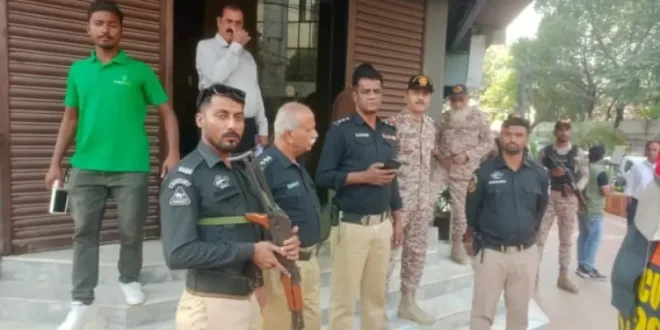
On Monday, Karachi experienced a significant security scare when a prominent building, Lakson Square Building No. 2, situated near the bustling Karachi Press Club (KPC), was evacuated following an email-based bomb threat. The incident triggered a rapid and extensive response from multiple law enforcement and emergency agencies, including the Rangers, police, Rescue 1122, and Bomb Disposal Squad teams.
Deputy Inspector General (South) Syed Asad Raza confirmed that the building management received an email claiming explosive material had been planted. Subsequently, the ten-story structure was thoroughly searched by bomb experts. After a comprehensive sweep from the first to the tenth floor, no suspicious devices or materials were found, and the threat was officially declared a hoax. While disruptive, the swift and coordinated action of the authorities ensured public safety and restored normalcy relatively quickly.
This incident follows another similar occurrence earlier this month when a train, the Peshawar-bound Khyber Mail, was stopped and evacuated at Khanpur Railway Station in Punjab due to a reported bomb threat. In that instance, a suspicious bag was found, but again, no explosive material was discovered, leading to it being categorized as a false alarm.
Background: Pakistan’s Enduring Security Landscape
Pakistan has long grappled with a complex and challenging security environment. For decades, the nation has been on the front lines of the war against terrorism, experiencing numerous genuine bomb attacks and acts of militancy. This history has inevitably shaped a heightened sense of vigilance and the establishment of robust emergency response protocols. Cities like Karachi, being a major economic hub and a densely populated metropolis, are particularly sensitive to any security threats, real or perceived.
The nature of threats has also evolved. While physical attacks remain a concern, the digital age has introduced new vectors for disruption, such as email-based threats. These often anonymous communications exploit the inherent fear of terrorism to sow panic, disrupt daily life, and test the capabilities of security forces without direct confrontation. Such incidents, even if hoaxes, draw heavily on the psychological impact of Pakistan’s past struggles with extremism.
Impact on Pakistan: Beyond the Immediate Disruption
While the immediate relief of a hoax threat is palpable, the ripple effects extend far beyond the brief moment of alarm. Hoax bomb threats impose significant burdens on Pakistan at several levels:
- Economic Cost: The evacuation of a multi-story building in a prime commercial area like Karachi translates directly into lost productivity and business disruption. For a nation striving for economic stability, such interruptions, even temporary, contribute to an atmosphere of uncertainty. Furthermore, the deployment of multiple, high-value security and rescue assets incurs substantial operational costs.
- Strain on Security Resources: Each hoax threat, by protocol, demands a full-scale response. This diverts critical personnel, vehicles, and equipment from routine policing, genuine intelligence gathering, or responses to actual emergencies. Over time, a high frequency of hoaxes can strain resources, potentially making security forces less effective when confronted with legitimate threats.
- Psychological Impact: Repeated security scares, even if proven false, contribute to public anxiety and a pervasive sense of insecurity. For citizens and businesses alike, this erosion of confidence in public safety can have long-term psychological effects, impacting daily routines, investment decisions, and overall quality of life.
- Erosion of Trust and Potential Complacency: While authorities must treat every threat seriously, a continuous stream of hoaxes could, in theory, lead to a “boy who cried wolf” scenario. This risks creating a perception of overreaction or, more dangerously, an inadvertent lessening of vigilance over time, which genuine threats could then exploit.
- National Image: From an international perspective, repeated reports of bomb threats, even hoaxes, can negatively impact Pakistan’s image as a safe and stable destination for investment and tourism, despite ongoing counter-terrorism successes.
Analysis: Deconstructing the Hoax Phenomenon
The recurrence of hoax bomb threats, as seen in Karachi and Khanpur, necessitates a deeper analysis of their origins and implications:
Motivation Behind Hoaxes:
The “why” behind these threats can vary. It could range from simple mischief or attention-seeking to more malicious intentions. Some possibilities include:
- Testing Security Response: Malicious actors, including actual militant groups, sometimes issue hoaxes to gauge the reaction time, efficiency, and vulnerabilities of security agencies. This intel can then be used to plan future genuine attacks.
- Creating Chaos and Instability: Even without an actual bomb, the act of causing widespread panic and disruption can be an objective in itself, aiming to destabilize public order and erode confidence in governance.
- Distraction Tactics: A hoax threat might be a diversionary tactic, drawing security resources to one location while a genuine, smaller-scale threat is executed elsewhere.
- Personal Vendettas or Business Rivalry: In some cases, a disgruntled individual, a former employee, or a business competitor might use such threats to cause damage or disruption to a target entity.
Effectiveness of Response and Future Challenges:
The Karachi incident showcased a commendable response: rapid deployment, thorough search, and clear communication. This indicates a well-drilled emergency protocol. However, the challenge lies in the “traceability” of such threats. Email-based communications, especially when originating from anonymous or spoofed addresses, pose a significant hurdle for investigators. Strengthening cyber forensics capabilities to track the source of these threats is paramount to deterring future incidents.
Authorities face the difficult task of striking a balance between maintaining extreme vigilance and preventing overreaction. Every threat must be taken seriously, but the cost of responding to hoaxes is high. This calls for a multi-pronged strategy that includes:
- Enhanced Intelligence and Cyber Security: Investing further in sophisticated cyber forensics to trace the origins of digital threats and collaborating with international agencies where necessary.
- Public Awareness and Education: Educating the public about the severe consequences of making false threats and encouraging responsible reporting of suspicious activities.
- Robust Legal Frameworks: Implementing and strictly enforcing laws that penalize individuals responsible for creating public panic through hoax threats.
- Standardized SOPs for Institutions: Ensuring that all commercial buildings, educational institutions, and public transport systems have clear, well-rehearsed Standard Operating Procedures (SOPs) for responding to security threats, minimizing panic and optimizing evacuation processes.
- Maintaining Vigilance: Despite the frequency of hoaxes, it is crucial for security forces to maintain peak readiness, as genuine threats remain a persistent reality in the region.
Ultimately, while each hoax bomb threat proves to be a false alarm, it serves as a stark reminder of the ongoing security challenges Pakistan faces. It underscores the need for continuous adaptation, investment in technology, and robust public-private cooperation to safeguard national stability and public confidence in an evolving threat landscape.
“`
**Self-Correction/Refinement during the process:**
1. **Title:** Initially thought of “Hoax Bomb Threats in Pakistan: A Growing Concern…” but decided “Beyond the Scare: Analyzing Hoax Bomb Threats in Pakistan and Their Broader Implications” would be more analytical and SEO-friendly by including “analysis” and “implications.”
2. **HTML Structure:** Ensured all text is properly wrapped in `
` tags within `
