Dost Pakistan Journeys Tours and safaris in the North & South Pakistsn
Related Articles



Pakistan Policy Rate Unchanged: SBP Holds Steady Amidst Inflationary Pressures and Geopolitical Headwinds
What Happened: SBP Maintains Status Quo on Interest Rates
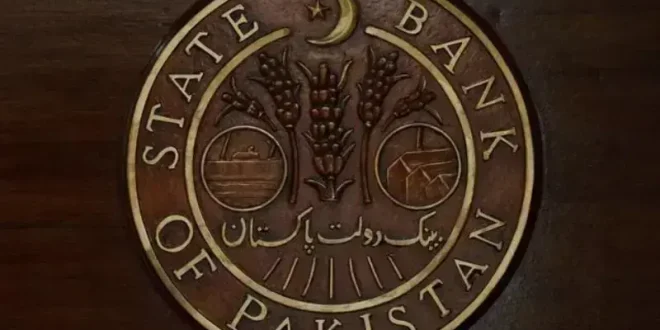
In a closely watched decision, the State Bank of Pakistan (SBP) announced on Monday its Monetary Policy Committee (MPC) would keep the benchmark policy rate steady at 11.5 percent. This move came during the final policy review for the fiscal year 2026, signaling the central bank’s assessment that the current monetary stance remains appropriate despite evolving domestic and global economic dynamics.
The MPC’s statement acknowledged a mixed bag of economic signals. While global oil prices have eased somewhat from their peaks, influenced by recent geopolitical shifts, they remain significantly higher than pre-conflict levels. Domestically, headline inflation surged into double digits in April and May, with core inflation also trending upwards. Economic activity, meanwhile, shows signs of moderation, reflecting the cumulative impact of elevated prices, ongoing austerity measures, and prevailing economic uncertainty. Crucially, external account pressures were noted as remaining moderate.
Background: Navigating Global Shocks and Domestic Realities
The SBP’s decision is set against a backdrop of complex economic challenges. The previous policy review in April saw the central bank raise the rate by 100 basis points to 11.5 percent, a direct response to escalating geopolitical tensions in the Middle East that fueled a surge in oil prices and disrupted global supply chains. However, market sentiment leading up to the latest meeting suggested a further hike was unlikely, given the stabilization or easing of global oil prices and improved supply chain conditions.
The MPC highlighted several key developments supporting its current stance. Pakistan’s Gross Domestic Product (GDP) growth for FY26 was provisionally estimated at 3.7 percent by the Pakistan Bureau of Statistics, an increase from 3.2 percent in FY25, albeit with pre-conflict momentum having been notably higher. This growth was primarily underpinned by the services and industry sectors, with meaningful contributions from agriculture.
Confidence indicators showed marginal recovery among both consumers and businesses, accompanied by a slight easing of inflation expectations. A significant boost came from the successful completion of International Monetary Fund (IMF) reviews for the Extended Fund Facility (EFF) and Resilience and Sustainability Facility (RSF), coupled with ongoing foreign exchange purchases. These factors helped bolster SBP’s foreign exchange reserves to $17.2 billion by June 5, 2026, providing crucial external stability.
Fiscal consolidation efforts also appeared on track, with an estimated primary balance surplus of 2.5 percent of GDP for FY26 and a target of 2 percent for FY27. Despite these positive developments, the MPC acknowledged the broader impact of the Middle East conflict on global economies, leading several central banks worldwide to raise their policy rates.
Why It Matters: Balancing Stability with Growth Aspirations
The policy rate is a potent tool for a central bank, influencing everything from borrowing costs for businesses and consumers to investment decisions and overall inflationary trends. An unchanged rate signifies the SBP’s belief that the current level is sufficient to steer inflation towards its medium-term target range of 5-7 percent, without unduly stifling economic activity.
This decision is particularly critical for Pakistan, a nation often grappling with macroeconomic imbalances. It signals a cautious approach, avoiding further tightening that could impede nascent economic recovery, while also refraining from loosening policy prematurely given persistent inflation risks. The SBP’s emphasis on “proactive macroeconomic management,” including forward-looking monetary policy and consistent fiscal consolidation, underscores its strategy to sustain stability amid external shocks.
Moreover, the continuous push for accelerated structural reforms is paramount. The MPC views these reforms as imperative for strengthening the economy’s resilience, enhancing productivity, and creating the necessary conditions for higher and more sustainable economic growth, moving beyond short-term fixes.
Impact on Pakistan: Mixed Signals for Economy and Consumers
For businesses, the unchanged policy rate means stable borrowing costs, offering predictability in an otherwise uncertain environment. This could encourage continued investment, particularly in working capital and fixed assets, as indicated by the 13 percent growth in private sector credit. However, the anticipated moderation in industrial and services sector activity due to conflict spillover presents headwinds.
Consumers will continue to face the burden of elevated prices, with headline inflation reaching 11.7 percent in May. The MPC’s assessment suggests that double-digit inflation is likely to persist for the next few months, fueled by factors like the Middle East conflict’s impact on energy and transportation costs, low base effects, and unexpected hikes in essential food items like wheat. This ongoing inflationary pressure will continue to erode purchasing power, affecting household budgets.
On the external front, the outlook is more positive. Reserve buildup is expected to continue, supported by FX purchases and timely realization of planned official inflows, including those from the IMF. Fiscal consolidation remains “broadly on track,” driven by expenditure restraint, although the MPC reiterated the importance of continuing this path and timely implementation of structural reforms for long-term fiscal health.
Analysis: A Cautious Holding Pattern Amidst Lingering Risks
The SBP’s decision to maintain the policy rate at 11.5 percent reflects a calculated “wait-and-see” approach. It acknowledges the easing of immediate external pressures (like global oil prices) that prompted the previous rate hike, but refrains from any premature easing given the persistent domestic inflationary pressures and a range of interconnected risks. The central bank is clearly attempting to strike a delicate balance between price stability and supporting economic growth.
The MPC’s commitment to guiding inflation towards its medium-term target is evident, yet its outlook remains tempered by significant uncertainties. Geopolitical developments, the pass-through of global prices to domestic fuel and utility tariffs, potential fiscal slippages, and volatile food prices due to weather challenges all pose considerable risks to the inflation trajectory. These factors highlight the inherent vulnerability of the Pakistani economy to both external shocks and internal policy implementation.
While the successful engagement with the IMF and the subsequent boost in foreign exchange reserves provide a crucial buffer, the long-term health of Pakistan’s economy hinges on more than just monetary policy. The MPC’s repeated emphasis on structural reforms — from enhancing productivity to strengthening resilience against supply shocks — underscores the understanding that sustainable growth requires fundamental changes. Without addressing these deeper structural issues, the economy will likely remain susceptible to cyclical downturns and external vulnerabilities, regardless of the central bank’s short-term interest rate decisions.
In essence, the SBP is signaling that the current policy stance is adequate for the immediate future, but the path ahead remains fraught with challenges, necessitating continued vigilance and a steadfast commitment to broader economic reforms.