Dost Pakistan Journeys Tours and safaris in the North & South Pakistsn
Related Articles


Pakistan’s FY2026-27 Budget: Ambition, Geopolitics, and Domestic Challenges
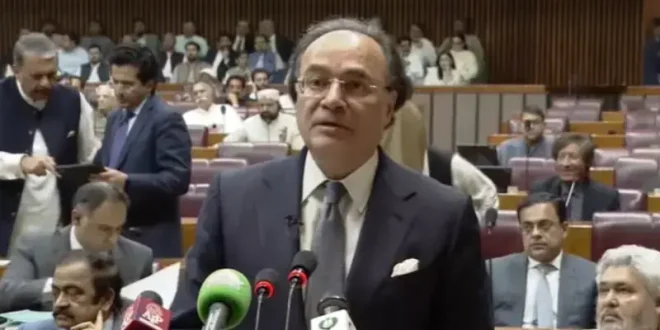
Pakistan’s Finance Minister, Muhammad Aurangzeb, has unveiled an ambitious Rs18.8 trillion budget for the fiscal year 2026-27, targeting a 4% economic growth rate and an average inflation of 8.2%. Presented amidst considerable political friction and a nuanced foreign policy narrative, the budget speech painted a picture of economic recovery and strengthened international standing, yet highlighted persistent domestic challenges and the daunting burden of debt.
What Happened: A Balancing Act in the National Assembly
In a session punctuated by opposition protests and initial uncertainty regarding a key ally’s attendance, Finance Minister Muhammad Aurangzeb presented Pakistan’s financial roadmap for FY2026-27. The budget, totaling Rs18.8 trillion, earmarks a substantial Rs8,045 billion—nearly 43% of the total outlay—for debt markup payments, underscoring the ongoing burden of national debt. Key macroeconomic targets include a 4% GDP growth, an average inflation rate of 8.2%, a fiscal deficit reduced to 3.6% of GDP, and a primary surplus of 2%.
Aurangzeb’s address was notable for its blend of economic optimism and a strong emphasis on Pakistan’s defense capabilities and evolving geopolitical role. He highlighted an asserted “befitting response to India in May 2025” (as presented in the speech) as a turning point for international respect, alongside robust ties with China, a new defense pact with Saudi Arabia, and Pakistan’s mediating efforts between the US and Iran. Domestically, the minister cited significant improvements over the past two years: a reported 3.7% GDP growth in the outgoing fiscal year, substantial increases in large-scale manufacturing and services sectors, a rise in foreign exchange reserves to $17 billion (providing three months of import cover), record remittances projected to exceed $41 billion, and an enhanced tax-to-GDP ratio of 10.3%.
The budget presentation itself was not without its political drama. The Pakistan Peoples Party (PPP), a crucial ally in the ruling coalition, initially showed reluctance to attend, eventually participating after internal consultations and vocal protests regarding water shortages in Sindh and demands for “political space” from the dominant PML-N. Meanwhile, another key coalition partner, MQM-P, held pre-budget discussions with Prime Minister Shehbaz Sharif, underlining the delicate art of coalition governance required for budget approval.
Background: Navigating Persistent Economic Headwinds and Geopolitical Currents
Pakistan’s economic landscape has long been characterized by recurring balance of payments crises, high inflation, and a structural reliance on external borrowing, particularly from the International Monetary Fund (IMF). The nation has consistently grappled with fundamental issues such as a narrow tax base, an expansive informal economy, and vulnerability to global commodity price shocks. Against this backdrop, the current government inherited a challenging fiscal environment and the imperative to stabilize the economy to avoid further default risks.
Politically, coalition governments in Pakistan often face internal pressures and external opposition, making the budget approval process a critical test of political cohesion. The vocal protests during the session, particularly from the PPP on provincial issues like water distribution and “political space,” underscore the intricate power dynamics within the ruling alliance and the broader federal structure, often exacerbated during high-stakes events like budget presentations.
Geopolitically, Pakistan operates in a complex neighborhood. The ongoing US-Israeli conflict with Iran, as highlighted by the minister, carries significant implications for global oil markets and regional stability, directly impacting Pakistan’s substantial energy import bill. Pakistan’s strategic partnerships, especially with China through the China-Pakistan Economic Corridor (CPEC), and increasingly with Saudi Arabia, are crucial for its economic and security interests. The minister’s narrative on defense capability as a source of foreign exchange marks a notable shift in how Pakistan publicly frames its military-industrial complex, attempting to portray it as an economic asset rather than solely a cost.
Why It Matters: A Blueprint for Stability or a Path of Uncertainty?
This budget is more than just a financial statement; it’s a critical barometer for Pakistan’s immediate future. Its targets and allocations will dictate the trajectory of economic stability, public welfare, and international confidence. The ambitious 4% growth target, if achieved, could signal a genuine rebound from recent economic troughs, potentially attracting much-needed foreign direct investment and fostering job creation. Conversely, failure to meet these targets could exacerbate public discontent, reignite concerns about Pakistan’s fiscal health, and potentially push it back towards further dependency on international lenders.
The overwhelming allocation to markup payments, consuming over 40% of the budget, starkly illustrates the heavy burden of debt servicing. This severely constrains the government’s ability to invest in essential development projects, social services (like education and healthcare), and poverty alleviation programs—areas crucial for long-term human development and economic sustainability. This allocation directly impacts the quality of life for ordinary citizens, as less discretionary spending is available for their direct benefit.
Furthermore, the political maneuvering surrounding the budget’s presentation underscores the fragility of the ruling coalition. The government’s ability to garner consensus, manage internal dissent, and push through critical reforms is paramount for long-term stability. The minister’s emphasis on Pakistan’s defense exports and its role in regional peace initiatives reflects a strategic attempt to bolster national pride and project a stronger international image, which can indirectly influence economic sentiment and attract strategic partnerships.
Impact on Pakistan: Economic Trajectories and Geopolitical Standing
The budget’s proposed measures and targets, if implemented effectively, could steer Pakistan towards greater economic resilience. The projected increases in foreign exchange reserves to $17 billion (from $4 billion three years ago), remittances, and the tax-to-GDP ratio are vital indicators of a strengthening economy capable of better managing external shocks and funding its own development. The focus on FBR reforms and increased tax collection, projected to reach Rs13,000 billion, is fundamental to broadening the revenue base and reducing reliance on indirect taxes, which disproportionately affect lower-income segments.
However, the impact on ordinary citizens remains a critical question. While the government claims to have absorbed some global oil price hikes through Rs128 billion in subsidies, persistent inflation, even at the targeted 8.2%, continues to erode purchasing power. The challenge lies in ensuring that economic growth translates into tangible improvements in living standards for all, not just an increase in per capita income figures that might mask growing inequalities. The historic decline in the policy rate over the past two years, if sustained, could stimulate private sector borrowing and investment.
On the international front, the budget speech underscored Pakistan’s pivot towards a more assertive and pragmatic foreign policy. Strengthening defense ties with Saudi Arabia, maintaining robust relations with China, and positioning itself as a mediator in regional conflicts like the US-Iran situation could elevate Pakistan’s diplomatic leverage and open new avenues for economic cooperation and trade. The ambition to transform the defense sector into a net foreign exchange earner, if realized, would be a significant shift, diversifying revenue streams beyond traditional exports.
Domestically, the political tensions highlighted during the budget session, particularly the PPP’s grievances over water sharing and demands for “political space,” could pose ongoing challenges for governance. Addressing inter-provincial disputes and ensuring equitable resource distribution are crucial for national cohesion and effective policy implementation. The government’s ability to navigate these political currents while pursuing its economic agenda will be a defining factor in its success.
Analysis: A Blend of Aspiration, Reality, and Rhetoric
Finance Minister Aurangzeb’s budget speech presents a fascinating blend of aspirational targets, selective economic successes, and strategic geopolitical messaging. The 4% growth target is ambitious, especially given the historical volatility of Pakistan’s economy, its structural weaknesses, and potential global headwinds. While the reported improvements in GDP, large-scale manufacturing (LSM), and services sectors over the last two years are encouraging, sustaining this momentum requires robust policy implementation, genuine structural reforms, and a stable political environment – all of which remain challenging.
The staggering Rs8,045 billion allocated for markup payments is perhaps the most sobering figure in the budget. This colossal sum represents nearly half of the national outlay, reflecting the legacy of accumulated debt and the continuing strain on public finances. It highlights the urgent need for a comprehensive long-term debt management strategy and aggressive, equitable revenue mobilization to free up crucial fiscal space for essential public services and infrastructure development, rather than merely servicing past borrowings.
The minister’s strong emphasis on Pakistan’s defense capabilities as a source of foreign exchange is a strategic narrative shift. While defense exports can indeed be a legitimate revenue stream, the extent of their current and projected contribution to the national exchequer, especially in relation to the overall defense budget, requires greater transparency and detailed substantiation. This narrative also serves to project national strength and confidence on the international stage, potentially boosting investor sentiment and diplomatic influence amidst regional complexities.
Geopolitically, Pakistan’s asserted mediating role between the US and Iran, coupled with strengthened alliances with China and Saudi Arabia, demonstrates a calculated pragmatism. This multipolar approach aims to safeguard Pakistan’s interests amidst regional turmoil and foster economic partnerships. However, such a delicate balancing act demands astute diplomacy and carries inherent risks, particularly in volatile geopolitical landscapes. The minister’s confident assertion about an incident in “May 2025” regarding India, while chronologically in the future for the reader, functions as a rhetorical device within the speech to emphasize national defense prowess and its perceived positive impact on Pakistan’s global standing.
Domestically, the political theatrics surrounding the budget, particularly the PPP’s conditional attendance and demands, underscore the inherent complexities of coalition governance. While the government can claim success in initiating the budget approval process, the underlying grievances – from water distribution to “political space” – signal potential fault lines that could surface in future policy debates. For the budget’s ambitious targets to be met, genuine political consensus and collaboration, rather than mere acquiescence, will be indispensable. The ultimate success of this budget will hinge not just on the numbers presented, but on the government’s ability to convert rhetoric into tangible results, navigate political complexities, and deliver sustainable economic improvement for all Pakistanis.