Dost Pakistan Journeys Tours and safaris in the North & South Pakistsn
Related Articles


Presidential Nod Clears Final Hurdle for PIA Privatisation: A New Dawn for Pakistan’s National Carrier?
What Happened
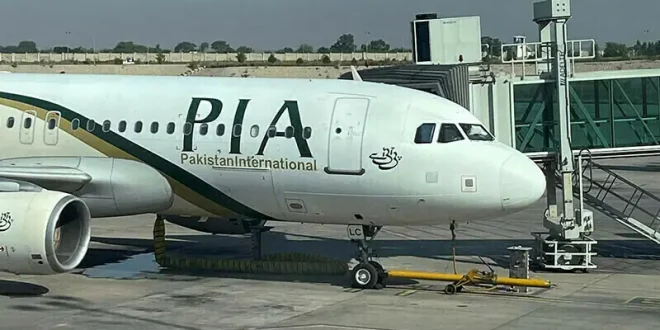
In a long-anticipated move, President Asif Ali Zardari has formally approved the Pakistan International Airlines Corporation (Conversion) (Repeal) Bill, 2026. This crucial legislative step effectively completes all necessary legal formalities, paving the way for the full privatization of Pakistan International Airlines (PIA). The bill, which swiftly passed through both the Senate and National Assembly earlier this month, repeals a 2016 law that originally sought to convert the national flag carrier into a public limited company, signaling the government’s unwavering commitment to the divestment process.
This development follows the successful auction in December last year, where a consortium spearheaded by Arif Habib Corporation Limited secured a 75 percent stake in PIA with a winning bid of Rs135 billion. The formal transaction documents were subsequently signed in January, attended by Prime Minister Shehbaz Sharif, underlining the high-level backing for this economic reform. The consortium has ambitious plans to revitalize the beleaguered airline through operational restructuring, fleet expansion, and enhanced customer service, with an stated intention to eventually acquire the remaining 25 percent government stake for complete control over decision-making.
Background: A Decades-Long Struggle for Survival
The journey to privatize PIA has been fraught with challenges, delays, and political complexities spanning several decades. Once a symbol of national pride and an early pioneer in the global aviation industry, PIA gradually succumbed to financial mismanagement, operational inefficiencies, and mounting debts. The airline has been a perennial drain on Pakistan’s national exchequer, necessitating frequent government bailouts that have diverted critical resources from other public sectors. The 2016 attempt to convert PIA into a public limited company was an initial step towards reform, aimed at improving governance and preparing for eventual divestment, but the full privatization process remained elusive.
Successive governments have grappled with the difficult decision of how to manage PIA’s escalating losses, which have run into hundreds of billions of rupees. The current push for privatization comes amid Pakistan’s severe economic crunch and commitments to international lenders like the IMF to reform state-owned enterprises. The involvement of a prominent local investment firm like Arif Habib Corporation, which later brought in Fauji Fertiliser (initially a competitor) into its consortium, reflects a concerted effort to find a viable domestic solution for the airline’s future.
Why It Matters: More Than Just a Sale
The privatization of PIA holds profound significance beyond a simple asset sale. It represents a watershed moment for Pakistan, symbolically marking an end to an era of direct government ownership of a major national enterprise. For a nation grappling with chronic budget deficits and external debt, shedding the financial burden of a loss-making entity like PIA is critical for fiscal stability. This move signals to both domestic and international investors Pakistan’s serious intent to pursue market-oriented reforms and reduce the state’s footprint in commercial operations.
The success of this privatization could also have a ripple effect, potentially encouraging further divestment of other struggling state-owned enterprises. It offers a glimmer of hope for an improved aviation sector within Pakistan, promising modernized services, expanded routes, and greater competition, which could ultimately benefit Pakistani travelers and boost tourism. Furthermore, the commitment by the new owners to retain employees for at least 12 months, coupled with assurances of potential job creation through expansion, addresses a major public concern regarding job security.
Impact on Pakistan: Economic Relief and Future Prospects
The immediate impact on Pakistan’s economy will primarily be the relief from PIA’s substantial financial liabilities. The Rs135 billion acquisition cost, combined with the removal of future bailout responsibilities, frees up significant government funds that can be reallocated to essential public services or debt reduction. This directly contributes to the government’s fiscal consolidation efforts, which are crucial for economic stability and regaining investor confidence.
For the aviation sector, the entry of a commercially driven entity like the Arif Habib-led consortium is expected to inject much-needed capital and operational expertise. Their plans for fleet expansion and improved customer service could transform PIA into a more efficient and competitive airline, potentially setting new benchmarks for the industry in Pakistan. This could stimulate economic activity, enhance connectivity, and potentially open up new trade and tourism opportunities. While initial job security for existing employees is assured, the consortium’s ambitious expansion plans could indeed lead to an overall increase in employment within the airline, a positive outcome in a country facing high unemployment rates.
Analysis: A Risky Bet with High Stakes
PIA’s long-standing financial woes are a textbook example of the challenges inherent in state-run commercial enterprises, often plagued by political interference, bureaucratic inefficiencies, and a lack of accountability. The decision to finally privatize, despite significant historical resistance, reflects a pragmatic realization that the government could no longer sustain the airline’s colossal losses.
The Arif Habib-led consortium faces a monumental task. Turning around an airline with decades of accumulated debt, an aging fleet, and a complex organizational culture will require more than just capital injection. Their stated focus on “operational restructuring, fleet expansion, and improved customer service” targets the core issues. However, navigating the legacy issues, including potential union dynamics (despite the employee retention clause), integrating new technologies, and competing against well-established international carriers, will test their strategic acumen and resilience. The consortium’s plan to acquire the remaining government stake underscores their long-term vision and desire for unhindered decision-making, which is crucial for fundamental change.
The successful privatization of PIA could serve as a powerful precedent for Pakistan’s broader economic reform agenda. It signals a move towards reducing the state’s commercial burden and fostering a more dynamic, market-driven economy. However, the path forward is not without risks. Any failure to revitalize PIA post-privatization could undermine public trust in similar future endeavors. The coming years will be critical in determining whether this presidential assent truly marks a new dawn for PIA and a significant step forward for Pakistan’s economic landscape, or merely another chapter in its protracted struggle.