Dost Pakistan Journeys Tours and safaris in the North & South Pakistsn
Related Articles


“`html
Pakistan’s Diplomatic Triumph: Analyzing the US-Iran Islamabad MoU and its Regional Implications
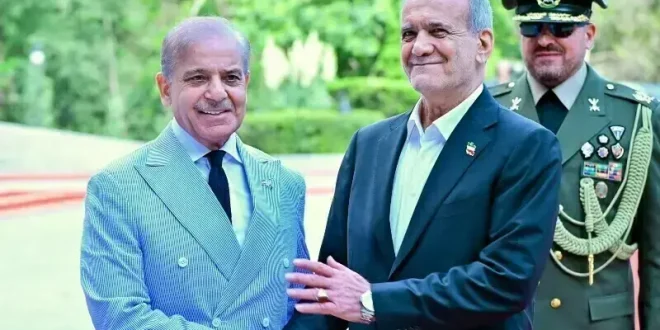
In a significant turn of events, the “Islamabad Memorandum of Understanding” (MoU) between the United States and Iran, painstakingly mediated by Pakistan, has been hailed as a landmark achievement for regional peace. Pakistan’s Prime Minister Shehbaz Sharif underscored its potential to “go a long way towards rebuilding Iran” during a recent phone call with newly elected Iranian President Dr. Masoud Pezeshkian, highlighting the profound implications of this diplomatic breakthrough.
The News: A Historic Handshake Facilitated by Islamabad
The core of the recent diplomatic activity revolves around the signing of the ‘Islamabad Memorandum of Understanding,’ an agreement reached after intense negotiations between Washington and Tehran. Following its formal signing, Prime Minister Shehbaz Sharif engaged in a crucial thirty-minute phone call with Iranian President Pezeshkian. During this call, the Pakistani premier extended congratulations to Iran’s leadership and its people, emphasizing that the deal would not only restore regional peace but also significantly aid Iran’s reconstruction and strengthen bilateral ties between Pakistan and Iran.
President Pezeshkian, in turn, expressed profound gratitude to PM Shehbaz and Pakistan’s Chief of Army Staff, Field Marshal Asim Munir, acknowledging their “extremely critical roles” in skilfully steering the mediation process. This reciprocal appreciation underscores the depth of Pakistan’s involvement and its success in fostering a truce in a long-standing conflict. Both leaders affirmed their commitment to enhance bilateral relations across all sectors and agreed to future reciprocal visits, signalling a new chapter of cooperation.
Background: Decades of Tensions and a Desperate Need for De-escalation
The Islamabad MoU emerges against a backdrop of deeply entrenched animosity and escalating tensions between the United States and Iran. Relations have been fraught since the 1979 Iranian Revolution, punctuated by periods of intense pressure, sanctions, and proxy conflicts across the Middle East. The 2015 Joint Comprehensive Plan of Action (JCPOA), or Iran nuclear deal, offered a brief respite but collapsed following the US withdrawal in 2018, leading to renewed sanctions and heightened military posturing. The recent conflict, spanning over 100 days, saw direct clashes and disruptions, most notably impacting the vital Strait of Hormuz.
The Strait of Hormuz, a narrow maritime choke point at the mouth of the Persian Gulf, is a critical artery for global oil shipments. Its closure or disruption due to conflict sent shockwaves through international energy markets, causing oil prices to skyrocket and threatening global economic stability. The severe economic blockade imposed on Iran further crippled its economy, making a resolution increasingly imperative for all parties.
It was in this volatile environment that Pakistan, leveraging its unique diplomatic position and historical ties with both the US and Iran, stepped in as a neutral mediator. Pakistan has long advocated for peaceful resolution of disputes in the region, wary of the spillover effects of any major conflict on its own borders and economy. Its consistent and discreet engagement culminated in the 14-point agreement that forms the basis of the Islamabad MoU. The key tenets of the deal include an immediate cessation of hostilities, the reopening of the Strait of Hormuz, the lifting of US blockades and immediate waiver of oil sanctions crippling Iran’s economy, and a 60-day window for further negotiations to finalize broader aspects, including Iran’s nuclear program and a potential $300 billion reconstruction fund supported by regional nations.
Impact on Pakistan: A Diplomatic Ascent and Economic Opportunity
For Pakistan, facilitating the US-Iran peace deal is more than just a regional gesture; it’s a profound strategic achievement with multi-faceted benefits:
- Enhanced Diplomatic Standing: This successful mediation significantly elevates Pakistan’s international profile as a credible and effective peace broker. It demonstrates Islamabad’s capacity to engage major global and regional powers in complex negotiations, positioning it as a key player in promoting stability in West Asia and beyond. This can open doors for Pakistan to play similar roles in other regional conflicts.
- Economic Windfall: The reopening of the Strait of Hormuz immediately contributes to global energy stability, benefiting Pakistan’s import-dependent economy through potentially lower and more predictable oil prices. Crucially, the lifting of sanctions on Iran opens vast new avenues for bilateral trade and economic cooperation. Pakistan can now eye lucrative opportunities in Iran’s reconstruction efforts, leveraging its proximity and existing infrastructure. Projects like the Iran-Pakistan gas pipeline, long stalled due to sanctions, could finally materialize, addressing Pakistan’s chronic energy shortages.
- Strengthened Bilateral Ties with Iran: The gratitude expressed by President Pezeshkian is indicative of a deepened bond. This renewed trust paves the way for stronger collaboration in areas like border management, counter-terrorism, and cultural exchange. The agreement for high-level visits signals a sustained commitment to fostering these ties across all areas of mutual interest.
- Regional Stability and Security: A de-escalation of tensions between the US and Iran directly reduces geopolitical risks for Pakistan. Instability on its western flank has historically posed security challenges, including issues of refugee flows and extremist spillover. A more peaceful Iran contributes to overall regional calm, allowing Pakistan to focus more resources on its internal development and other strategic priorities.
Analysis: The Path Ahead and Persistent Challenges
While the Islamabad MoU represents a monumental achievement, it is fundamentally a preliminary agreement – a ceasefire and a commitment to negotiate. The true test of its longevity and impact lies in the subsequent phases of dialogue and implementation.
The Promise of Peace and Prosperity:
The immediate benefits are clear: an end to active conflict, the restoration of global energy flows, and a lifeline for Iran’s beleaguered economy. For Iran, the potential $300 billion reconstruction fund, coupled with access to international markets, offers an unprecedented opportunity to rebuild and reintegrate into the global economy. This economic revival could have profound social and political implications within Iran, potentially fostering greater stability.
For the wider region, the de-escalation sets a precedent for diplomatic solutions over military confrontation. It could catalyze broader dialogue and reconciliation among other regional actors, fostering an environment where economic integration and cooperation take precedence over geopolitical rivalry.
Challenges on the Horizon:
Despite the initial success, significant hurdles remain:
- The 60-Day Window: The critical 60-day period for further talks will determine the specifics of a final, comprehensive deal. Complex issues such as Iran’s nuclear program, ballistic missile capabilities, and its regional influence will require careful navigation and substantial concessions from both sides. Past failures of nuclear diplomacy highlight the fragility of such agreements.
- Trust Deficit: Decades of mistrust between the US and Iran cannot be erased overnight. Hardliners in both countries may view concessions with suspicion, potentially undermining the agreement from within. Sustained commitment from leadership and broad public support will be vital.
- Regional Spoilers: Other regional powers, with their own security concerns and alliances, may view this rapprochement with apprehension. Managing these external dynamics and ensuring the deal contributes to broader regional security, rather than creating new fault lines, will be crucial.
- Economic Implementation: While sanctions are lifted, rebuilding Iran’s economy will be a massive undertaking, requiring significant foreign investment, infrastructure development, and transparent governance. Ensuring the $300 billion fund is effectively utilized and attracts further investment will be key.
Pakistan’s Enduring Role:
Pakistan’s journey as a mediator may not be over. Its success could place it in a unique position to facilitate further dialogue or act as a guarantor of the peace process. This strategic leverage will require astute foreign policy, balancing its relationships with various regional and global powers to ensure the long-term success of the deal and its own national interests.
In conclusion, the Islamabad MoU is a testament to the power of persistent diplomacy and Pakistan’s strategic neutrality. It offers a glimmer of hope for a more stable and prosperous West Asia. However, this is merely the first step on a long and intricate path. The ultimate success will depend on sustained political will, mutual trust, and a shared vision for a future free from conflict.
“`