 Dost Pakistan Journeys Tours and safaris in the North & South Pakistsn
“`html
Balochistan Mine Tragedy: A Deep Dive into Systemic Failures and the Quest for Accountability
The recent Sorange coal mine disaster underscores a tragic, recurring narrative in Pakistan’s mining sector. While inquiries are launched, the core issues of safety, regulation, and human cost demand urgent, systemic reform.
The News: A Renewed Call for Accountability
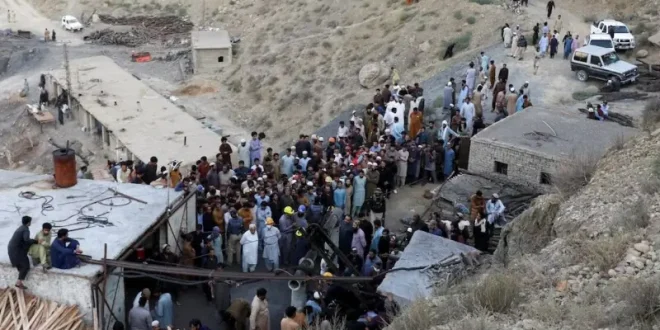
In the wake of the devastating Sorange coal mine disaster that tragically claimed the lives of 34 miners, the Balochistan government has initiated a high-level inquiry. Tasked to the Chief Minister’s Inspection Team (CMIT), led by Bashir Ahmed Bangulzai, the investigation aims to pinpoint the incident’s causes, assess the performance of relevant authorities, assign responsibility for negligence, and recommend preventative measures.
This comprehensive inquiry, mandated to submit its findings within two weeks, will run concurrently with a separate departmental investigation by the mines and minerals department. As part of this process, four coal mines in the area, including the two directly affected, have been sealed. The tragedy has starkly highlighted critical concerns surrounding mine safety protocols, regulatory oversight, and the enforcement of existing safety standards across Balochistan’s vital, yet perilous, coal mining sector.
Background: A Cycle of Vulnerability and Neglect
The Sorange mine disaster is not an isolated incident but rather a tragic echo of a persistent problem plaguing Balochistan’s coal mining industry. The province, rich in natural resources, relies heavily on coal extraction, which often comes at a steep human cost. Several systemic factors contribute to this dangerous environment:
- Economic Desperation: Many miners, often young men aged 17-25, hail from impoverished regions like Shangla district in Khyber Pakhtunkhwa. With limited economic opportunities in their native areas, they migrate to Balochistan, accepting hazardous work conditions out of sheer necessity. The news heartbreakingly revealed that many victims were from the same families, some even orphans whose fathers had perished in similar accidents, highlighting a generational trap of fatal employment.
- Substandard Safety Practices: A pervasive issue is the lack of adherence to modern safety protocols. Mines frequently operate with outdated equipment, inadequate ventilation systems, and insufficient protective gear for workers. The drive to extract coal quickly and cheaply often overrides safety considerations.
- Weak Regulatory Enforcement: Despite the existence of mining laws and safety regulations, their implementation and enforcement remain critically weak. Inspections are often infrequent, perfunctory, or susceptible to corruption, allowing mine owners to bypass essential safety measures without consequence.
- Geological Challenges: Balochistan’s geology, with its deep and often volatile coal seams, presents inherent challenges. Without proper engineering and safety measures, these conditions can quickly turn deadly, leading to collapses, gas explosions, and suffocation.
- Informal and Unregulated Operations: A significant portion of the mining sector in Balochistan operates informally or with questionable oversight, making it difficult for authorities to monitor compliance effectively. This informal economy creates a fertile ground for exploitation and neglect of worker rights.
The repetitive nature of these tragedies, with stakeholders routinely pointing to the absence of essential safety protocols, underscores a profound failure to learn from past mistakes and implement lasting reforms.
Impact on Pakistan: Beyond the Immediate Loss
The Sorange coal mine disaster sends ripples far beyond the immediate site of the tragedy, impacting Pakistan on multiple fronts:
- Devastating Human Cost: The loss of 34 lives is an immense tragedy, particularly for the impoverished communities in Shangla, Khyber Pakhtunkhwa, who have lost their breadwinners. The emotional and psychological toll on families, compounded by the frequency of such incidents, is immeasurable. It exacerbates poverty, leaving behind widows, orphans, and an already vulnerable population in deeper despair.
- Erosion of Trust and Social Justice Concerns: Each such disaster chips away at public trust in government institutions and regulatory bodies. It raises critical questions about social justice, equitable development, and the protection of fundamental labor rights for Pakistan’s most vulnerable workers. The exploitation of internal migrant labor highlights glaring regional disparities and the urgent need for inclusive growth strategies.
- Economic Ramifications: While the direct economic impact on the national GDP from a single mine closure might be limited, the recurring nature of these incidents casts a shadow over Pakistan’s industrial safety image. It can deter foreign investment in the extractive sector if safety standards are perceived as perpetually lax. Additionally, the costs associated with rescue operations, inquiries, potential compensation, and lost productivity add up.
- Calls for Labor Reforms and Accountability: The tragedy inevitably reignites calls from labor unions, human rights organizations, and civil society for robust labor reforms, stricter enforcement of safety laws, and genuine accountability for negligent mine owners and supervising authorities. It places immense pressure on both provincial and federal governments to demonstrate concrete action rather than just launching inquiries.
- Political Scrutiny: The Balochistan government faces significant political scrutiny. Its response, and more importantly, the long-term changes it institutes, will be critical in demonstrating its commitment to worker welfare and preventing future disasters. The CMIT’s recommendations, and their subsequent implementation, will be closely watched.
Analysis: Addressing the Root of a Recurring Nightmare
The Sorange mine disaster, tragic as it is, serves as a stark reminder that a culture of negligence and insufficient oversight continues to endanger lives in Pakistan’s mining sector. While the Chief Minister’s Inspection Team and the departmental inquiry are crucial first steps toward understanding the immediate causes and assigning blame, true progress demands a deeper analysis of the systemic failures that have allowed such tragedies to become commonplace.
Beyond Immediate Blame: Systemic Failures
The real issue isn’t just one faulty piece of equipment or a single instance of oversight; it’s a breakdown across multiple levels:
- Regulatory Ineffectiveness: The core problem lies in the inability of the Mines and Minerals Department to effectively regulate and enforce safety standards. Whether due to lack of resources, expertise, or integrity, the current system is failing to ensure compliance. Inspections must be rigorous, unannounced, and free from external influence.
- Accountability Vacuum: Historically, accountability for mine disasters has often been elusive. Unless individuals – from mine owners to responsible government officials – face severe penalties for negligence, the incentive to prioritize safety over profit will remain weak. The CMIT’s mandate to “fix responsibility” is vital, but the follow-through on prosecution and punishment is what will truly matter.
- Economic Pressures vs. Human Lives: There’s a constant tension between the demand for cheap coal and the cost of maintaining safe working conditions. Mine owners often cut corners to maximize profits, exploiting the desperation of a workforce with few alternatives. This dynamic needs to be addressed through stronger labor protections, fair wages, and viable economic opportunities in other sectors.
- Lack of Modernization and Training: Many mines in Balochistan operate with outdated methods. There’s an urgent need for investment in modern mining technologies, proper ventilation systems, gas detection equipment, and comprehensive safety training for all miners, not just supervisors. This requires a collaborative effort from government, mine owners, and international partners.
- The “Generational Tragedy”: The fact that many victims are young and from families who have already lost members to mining accidents highlights a profound social and economic crisis. Addressing this requires more than just mine safety; it demands broader rural development initiatives, education, and social safety nets for communities reliant on dangerous livelihoods.
The Path Forward: From Inquiry to Action
For the Sorange inquiry to be more than just another report gathering dust, its findings must translate into concrete, actionable reforms. This includes:
- Strengthening Regulatory Capacity: Overhauling the Mines and Minerals Department with better-trained inspectors, modern equipment, and independence from political pressure.
- Transparent Accountability: Publicly naming and prosecuting those responsible for negligence, irrespective of their influence.
- Mandatory Safety Standards: Enforcing strict adherence to national and international mining safety standards, with severe penalties for non-compliance.
- Worker Empowerment: Supporting the formation of independent labor unions and associations that can advocate for worker safety and rights without fear of reprisal.
- Investing in Alternative Livelihoods: Developing sustainable economic opportunities in regions like Shangla to reduce reliance on hazardous mining work.
- Compensation and Support: Ensuring timely and adequate compensation for victims’ families, along with long-term support for orphans and dependents.
The Sorange coal mine disaster is a grim reminder that economic development cannot come at the expense of human lives. Pakistan’s government and society have a moral imperative to break this recurring cycle of tragedy by enacting genuine, systemic change that prioritizes the safety and dignity of its working citizens.
“`
