Dost Pakistan Journeys Tours and safaris in the North & South Pakistsn
Related Articles


“`html
Pakistan’s New Auto Policy: Driving Towards Affordability and Electrification
A landmark policy shift aims to democratize car ownership and propel sustainable mobility in Pakistan.
The News
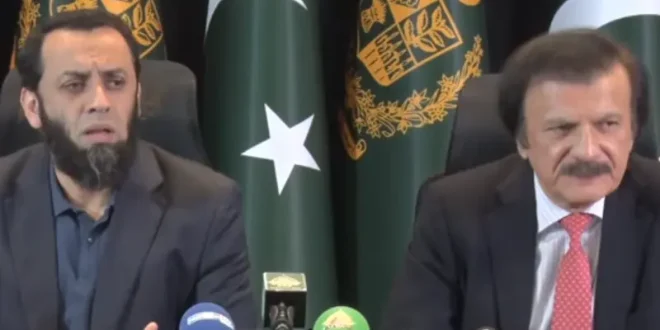
The federal government of Pakistan has unveiled its latest auto policy, marking a significant strategic shift with a dual focus: making vehicles more affordable for the middle and lower-middle classes, and aggressively promoting electric vehicles (EVs). Announced by Information Minister Attaullah Tarar and Adviser to the Prime Minister for Industries and Production Haroon Akhtar Khan, the policy outlines six core pillars: ensuring cheaper vehicles, boosting exports, enhancing localisation, prioritising vehicle safety, fostering EV adoption, and ensuring transparency.
Key to the policy is a new tariff structure designed to progressively reduce production costs and the raw material import bill for automakers. This structured approach anticipates a gradual reduction in car prices, excluding luxury segments, over a five-year period as duties on both Completely Built Units (CBUs) and assembly plants are systematically lowered to achieve competitive tariffs. Beyond affordability, the initiative seeks to spur innovation, value addition, and job creation through increased local manufacturing, while the emphasis on EVs aims to mitigate carbon emissions and reduce the nation’s substantial oil import bill. Incentives for establishing EV charging infrastructure are also a central component of this forward-looking strategy.
Background: Navigating Pakistan’s Automotive Landscape
Pakistan’s automotive sector has long been characterized by a complex interplay of high demand, limited supply, and escalating prices. For decades, the market has been dominated by a few established players, leading to a lack of genuine competition, delayed introduction of new models, and minimal technological advancements compared to global standards. Previous auto development policies, while attempting to attract new entrants (like the Auto Development Policy 2016-21), largely failed to curb the upward spiral of vehicle prices or significantly boost localisation beyond a certain threshold.
The economic context further underscores the urgency for reform. Pakistan faces persistent challenges of a high current account deficit, largely fueled by a hefty import bill that includes petroleum products and knocked-down kits for vehicle assembly. A depreciating rupee and soaring inflation have pushed vehicle ownership further out of reach for a significant portion of the population, particularly the aspiring middle and lower-middle classes. Simultaneously, global imperatives for climate action and the shift towards sustainable transportation have put pressure on nations to embrace electric mobility. Against this backdrop, the new auto policy represents a strategic pivot, aiming to address both economic vulnerabilities and environmental responsibilities while expanding access to modern transportation.
Impact on Pakistan: A Multi-faceted Transformation
The newly announced auto policy holds the potential for a transformative impact across several critical sectors of Pakistan’s economy and society:
- Economic Rejuvenation: The most direct impact is the promised reduction in vehicle prices, which could significantly enhance affordability and stimulate demand, particularly in the untapped segments of the middle and lower-middle classes. By targeting a lower cost of production and raw material imports, the government hopes to ease pressure on the national exchequer, reducing the overall import bill. Increased localisation, a key pillar, is expected to create numerous employment opportunities in the manufacturing sector and allied industries, while also fostering skill development. If successful, the push for exports could open new revenue streams, strengthening the national economy.
- Environmental Benefits: The aggressive promotion of electric vehicles is a critical step towards a greener Pakistan. Widespread EV adoption can lead to a substantial reduction in carbon emissions and urban air pollution, contributing to cleaner cities and helping the nation meet its climate commitments. Furthermore, by reducing reliance on imported fossil fuels, the country can significantly cut its oil import bill, easing foreign exchange pressures and enhancing energy security.
- Consumer Empowerment: For Pakistani consumers, the policy promises more than just cheaper cars. The focus on vehicle safety aims to improve overall standards, offering greater protection to motorists. Increased competition, spurred by the gradual tariff adjustments and potential new entrants, could lead to a wider variety of models, better quality, and enhanced after-sales services. This could fundamentally change the consumer experience in the Pakistani auto market.
- Industrial Evolution: The auto industry itself is poised for a significant evolution. Existing manufacturers will be compelled to innovate, invest more in local research and development, and integrate a higher percentage of locally produced components. The policy is likely to attract new investments, particularly from global EV manufacturers and component suppliers, fostering a more dynamic and competitive landscape. The development of a robust EV charging infrastructure will also create new business opportunities and drive technological advancements.
Analysis: Opportunities, Challenges, and the Road Ahead
Pakistan’s new auto policy presents a bold vision, attempting to tackle long-standing issues within the automotive sector while aligning with global trends. The explicit focus on affordability for the masses, coupled with an ambitious push for electric vehicles, differentiates it from previous policies.
Opportunities:
The policy offers a unique opportunity for Pakistan to leapfrog traditional internal combustion engine (ICE) technology and establish itself as a player in the burgeoning EV market. By fostering localisation and creating a competitive environment, there’s potential not only to meet domestic demand but also to become a regional hub for auto parts and even vehicle exports, especially to nearby markets. For the government, a successful policy means a lighter import bill, a cleaner environment, and a more accessible, modern transportation system for its citizens.
Challenges and Risks:
Despite its promise, the policy faces significant hurdles. Implementing such a comprehensive reform over five years requires sustained political will and consistent policy enforcement, which has often been a challenge in Pakistan’s past. The “gradual” reduction of duties, while aimed at smoothing the transition, might also face resistance from incumbent manufacturers accustomed to higher protective tariffs.
The successful adoption of EVs hinges on robust infrastructure development. This includes not just establishing a widespread network of charging stations but also ensuring the national grid can support increased electricity demand, potentially from renewable sources to maximize environmental benefits. Developing a local supply chain for EV components, from batteries to specialized electronics, will require substantial investment, technological transfer, and skilled labor—a monumental task.
Moreover, while the policy aims for cheaper vehicles, the volatile exchange rate and global commodity prices could undermine efforts to keep costs down. Consumer acceptance of EVs, despite incentives, will also depend on addressing concerns about range anxiety, upfront costs, and charging convenience. Ensuring that “cheaper” vehicles do not compromise on quality or safety standards will be paramount to building long-term consumer trust.
Conclusion:
Pakistan’s new auto policy is undoubtedly an ambitious and much-needed intervention. It addresses core economic, environmental, and social needs, signaling a decisive shift towards a more inclusive and sustainable automotive future. However, its success will ultimately hinge on meticulous implementation, continuous engagement with all stakeholders, adaptability to unforeseen challenges, and unwavering commitment from successive governments. If executed effectively, this policy could redefine Pakistan’s automotive landscape, making vehicle ownership attainable for more citizens while steering the nation towards a cleaner, more economically resilient future.
“`