Dost Pakistan Journeys Tours and safaris in the North & South Pakistsn
Related Articles



Yemen’s Escalating Conflict: Houthi Attacks, Saudi Oil, and Regional Reverberations
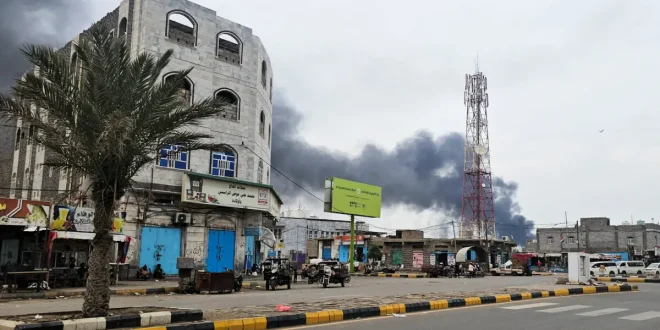
Recent events in Yemen underscore a dangerous resurgence of hostilities in a conflict that has long destabilized the Arabian Peninsula. Sunday saw a series of significant Houthi attacks, resulting in at least 11 fatalities and numerous injuries in the Yemeni port city of Mokha, simultaneously targeting a crucial Saudi oil refinery on the Red Sea coast. These actions signal a troubling breakdown of the UN-backed truce and raise profound concerns about regional stability and global energy security.
The Latest Escalation
On Sunday, Houthi rebels launched missile and drone barrages against positions in and around Mokha, a strategic port city held by Yemen’s internationally recognized government. Medical sources confirmed the death of three civilians and eight military personnel, with a further 32 individuals wounded. The attacks extended to pro-government forces and installations on islands near the vital Bab al-Mandeb Strait, a narrow shipping choke point connecting the Red Sea to the Gulf of Aden.
In parallel, Saudi Arabia’s Jazan refinery, a major facility processing 400,000 barrels of crude oil daily, came under drone attack. While Saudi Aramco reported that a fire at the facility was swiftly brought under control without injuries, Houthi military spokesman Yahya Saree claimed responsibility, framing it as retaliation for Saudi drone incursions into northwest Yemen. This isn’t the first time the Jazan refinery has been targeted; a previous attack in July reportedly caused significant damage and operational shutdowns, highlighting the Houthis’ persistent threat to Saudi energy infrastructure.
Context: A Truce Collapsed, Tensions Soaring
These latest attacks are not isolated incidents but represent a sharp escalation following the apparent collapse of a UN-backed truce established in April 2022. This accord had brought a fragile respite to a brutal civil war that began in 2014, pitting the Iran-aligned Houthi rebels against Yemen’s internationally recognized government, supported by a Saudi-led coalition.
The conflict in Yemen is widely seen as a proxy battle in the broader regional rivalry between Saudi Arabia and Iran. The Houthi movement’s increasing assertiveness, coupled with Iran’s parallel threats to shipping in the Strait of Hormuz, indicates a coordinated strategy to exert pressure on regional adversaries and disrupt global trade routes. Last month, the rebels formally announced a maritime blockade of Saudi Arabia, already having targeted Saudi tankers in the Red Sea. This move directly mirrors Iran’s long-standing leverage over the Strait of Hormuz, creating a dual threat to vital shipping lanes at both ends of the Arabian Peninsula.
The Bab al-Mandeb Strait and the Red Sea are critical conduits for global commerce, particularly for oil and gas shipments destined for Europe and North America. Any sustained disruption here carries significant implications for international trade and energy prices, making these Houthi actions a matter of global concern.
Pakistan’s Strategic Stance and Regional Commitments
Pakistan has consistently voiced strong condemnation of Houthi threats against Saudi Arabia and against commercial shipping in the Red Sea. Islamabad has unequivocally stated its right to self-defense should its “maritime interests” be targeted in any hostile act, reflecting its reliance on these sea lanes for its own trade and energy needs.
In response to the escalating threats, Pakistan has actively engaged in regional security initiatives. It is one of fourteen countries to support Saudi Arabia’s unveiled plan for a multinational maritime defense coalition aimed at protecting shipping and energy supply routes in the Red Sea. This commitment underscores Pakistan’s dedication to freedom of navigation and regional stability.
Furthermore, a significant development last week saw Pakistan, Saudi Arabia, and Turkiye sign a tripartite defense agreement. This pact establishes a robust security framework where an attack against one signatory would be considered an attack against all, significantly strengthening strategic alliances in the region. This agreement adds a new layer of deterrence and cooperation, signaling a unified front against emerging security challenges.
Analysis: A Dangerous Trajectory
The latest Houthi attacks represent a perilous return to open conflict in Yemen and a clear challenge to regional and international efforts for de-escalation. The targeting of both military and civilian infrastructure, coupled with assaults on crucial energy facilities and shipping routes, signifies a deliberate strategy to raise the stakes. The Houthis aim to demonstrate their capabilities, exert economic pressure on Saudi Arabia, and leverage their position in any future negotiations, all within the context of their perceived alignment with Iran’s broader geopolitical objectives.
The immediate implications are severe. The renewed fighting threatens a humanitarian crisis in Yemen, already one of the world’s worst. Economically, the instability in the Red Sea region poses risks to global oil supply and maritime trade, potentially leading to increased shipping costs and energy price volatility. For Saudi Arabia, these attacks test its defensive capabilities and its commitment to securing its energy assets and regional interests.
Pakistan’s proactive engagement in forming a maritime defense coalition and its trilateral defense agreement with Saudi Arabia and Turkiye highlight a strategic imperative to protect its own interests and contribute to regional security. These alliances signal a unified commitment to deter aggression and maintain stability in a volatile environment. However, they also raise the specter of a wider regional conflict should these agreements be tested by further escalation.
Ultimately, the current trajectory is fraught with danger. The international community faces the urgent task of reviving peace efforts in Yemen, de-escalating tensions in the Red Sea, and finding diplomatic resolutions to the underlying regional rivalries that fuel these conflicts. Without such efforts, the cycle of violence threatens to draw in more actors and further destabilize an already fragile geopolitical landscape, with profound consequences for global energy and trade.