Dost Pakistan Journeys Tours and safaris in the North & South Pakistsn
Related Articles


LHC’s Landmark Environmental Verdict: A Blueprint for Pakistan’s Green Future
By [Your Name/Publication Name]
The News: A Decade of Judicial Diligence Culminates
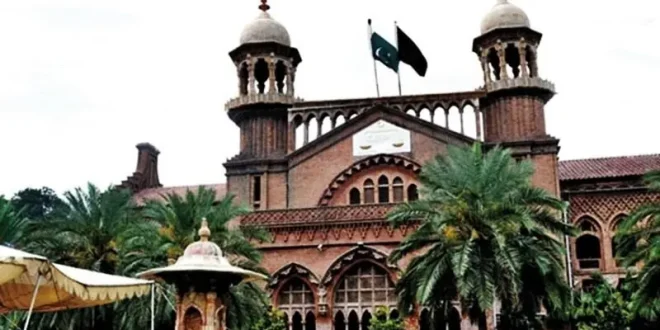
The Lahore High Court (LHC) has delivered a pivotal moment in Pakistan’s environmental governance, issuing its final judgment in an eight-year-long public interest litigation addressing the severe challenges of smog and environmental degradation across Punjab. Justice Shahid Karim, on the eve of his superannuation, authored this “last judgment in the trilogy,” underscoring the sustained judicial oversight that has characterized these proceedings since 2018.
This landmark ruling, while acknowledging that the ultimate goal of environmental recovery is a continuous journey, firmly establishes a foundation for future actions. Justice Karim’s judgment celebrates the “extraordinary and seminal work” accomplished through judicial review, fostering a “robust culture of decision-making” where environmental and water conservation now stand at the core of policy formulation, often compelling reluctant governmental bodies to act.
The judgment consolidates and reaffirms critical directives and their impressive compliance, including:
- Smog as a Calamity: Formal declaration, empowering the Punjab Disaster Management Authority (PDMA) with a dedicated control room for enforcement during smog season.
- Industrial Emissions: Complete conversion of brick kilns to the environmentally friendly Zig-Zag Technology, each with a Unique Identification Number for digital monitoring.
- Agricultural Waste: Significantly raised penalties for stubble burning to Rs200,000 per acre, with strict directives for uniform enforcement.
- Urban Mobility: Private schools mandated to provide transport for at least 50% of students, implemented in phases.
- Water Conservation & Management:
- Mandatory rainwater harvesting and Gray Water Treatment Plants for all new constructions under LDA regulations.
- Widespread adoption of water recycling plants in service stations (563 in Lahore, reducing fresh water use by ~70%).
- Installation of ablution water recycling tanks in over 194 mosques, including a substantial facility at Data Darbar.
- Groundwater Protection: Wasa Lahore’s collection of over Rs3.35 billion in aquifer charges from bulk users since 2018, alongside the installation of 117 recharge wells and major rainwater storage tanks (like the 4-million-gallon facility at Gaddafi Stadium).
- Preservation of Green Spaces: Banning commercial use of public playgrounds and open spaces, directing authorities to protect and maintain green cover.
- Judicial Review of Development: Quashing of the Lahore Division Master Plan 2050 and striking down land acquisition for a Gujrat Divisional Complex that threatened extensive forest land, demonstrating the judiciary’s commitment to sustainable development.
The judgment also extends commendations to the Judicial Water and Environment Commission members and government officers, recognizing their pro bono efforts and dedication.
Background: A Nation Grappling with Environmental Crisis
Pakistan, particularly its most populous province, Punjab, has been at the forefront of a severe environmental crisis for years. The chronic issue of smog, especially during winter months, transforms cities like Lahore into some of the most polluted globally. This hazardous air quality is a toxic cocktail stemming from vehicular emissions, industrial pollution, widespread stubble burning by farmers, inefficient brick kilns, and transboundary atmospheric movements.
Beyond air quality, the nation faces an escalating water crisis. Rapid urbanization, unchecked industrial expansion, and unsustainable agricultural practices have led to alarming rates of groundwater depletion. Pakistan is classified as a water-stressed country, with projections indicating severe scarcity in the coming decades if current trends continue. Rivers are polluted, natural habitats are dwindling, and green spaces are often encroached upon for development.
In this context, Pakistan’s judiciary has increasingly adopted a role of judicial activism, especially through Public Interest Litigation (PIL). When executive and legislative bodies struggle to address pressing public grievances or when implementation of existing laws falters, citizens, environmental groups, or even the courts themselves can initiate proceedings. The LHC’s ongoing litigation, spanning nearly a decade and culminating in a “trilogy” of judgments, exemplifies this proactive judicial approach, stepping into governance vacuums to safeguard fundamental rights, including the right to a healthy environment.
Justice Shahid Karim’s tenure has been particularly instrumental in shaping this environmental jurisprudence. His consistent focus on these “highly consequential issues” has not only driven specific policy changes but also elevated environmental concerns to a top-tier priority within the provincial administration.
Impact on Pakistan: Setting a National Precedent
The LHC’s comprehensive environmental judgment extends far beyond the administrative boundaries of Punjab, establishing a powerful precedent that resonates across Pakistan. This ruling serves as a compelling blueprint for other provincial high courts and potentially the Supreme Court, demonstrating the judiciary’s capacity to drive significant environmental policy and enforcement.
- Empowering Environmental Governance: The judgment compels government agencies to integrate environmental considerations into their core planning and operations. The formal declaration of smog as a calamity, for instance, mandates a structured, emergency response, shifting environmental protection from a secondary concern to an urgent priority.
- Enhancing Accountability and Awareness: By holding specific departments and officials accountable for environmental compliance, the LHC has fostered a culture of responsibility. This also raises public awareness, empowering citizens to demand better environmental stewardship and exercise their right to a clean environment.
- Shaping Sustainable Urban Development: The quashing of the Lahore Division Master Plan 2050 and interventions in other development projects underscore the critical need for sustainable urban planning that respects ecological limits and existing regulations. This sets a vital standard for future infrastructure and housing projects across the country.
- Addressing Water Scarcity: Pakistan faces severe water challenges. The directives on rainwater harvesting, gray water treatment, aquifer charges for bulk users, and recharge wells offer a scalable model for other water-stressed urban centers. These measures are crucial steps towards ensuring long-term water security.
- Fostering Green Economies: Mandates like the Zig-Zag technology for brick kilns and water recycling plants encourage the adoption of cleaner, more efficient industrial practices. While requiring initial investment, these innovations can stimulate green job creation and contribute to a more sustainable, resource-efficient economy.
- Strengthening Climate Resilience: By tackling air pollution sources and promoting water conservation, the judgment directly contributes to Pakistan’s climate change adaptation and mitigation efforts. These localized actions aggregate into a national response, potentially bolstering Pakistan’s position in international climate dialogues and access to climate finance.
- Citizen Empowerment: The sustained public interest litigation, initiated by an individual, exemplifies how persistent legal action can catalyze monumental change. This empowers civil society and individuals to utilize judicial avenues to address systemic environmental issues.
In essence, the LHC’s verdict has not merely issued directives; it has ignited a potential paradigm shift, urging a proactive, integrated approach to environmental management that is desperately needed across a nation highly vulnerable to climate change impacts.
Analysis: Planting Seeds for a Sustainable Tomorrow, Challenges Ahead
Justice Shahid Karim’s final judgment is a monumental testament to judicial activism and its potential to drive significant change in environmental governance. His opening quote from Hamilton, “Legacy, what is a legacy? It’s planting seeds in a garden you never get to see,” perfectly encapsulates the forward-looking spirit of this ruling. The LHC has indeed planted numerous seeds, but nurturing them into a thriving, sustainable future for Pakistan presents a complex array of challenges and opportunities.
The Power of Judicial Intervention:
The sustained oversight by the LHC has undeniably filled critical governance gaps, compelling reluctant executive bodies to act on issues that directly impact public health and well-being. This demonstrates the judiciary’s essential role when other state organs falter in their duties. However, this also raises perennial questions about the balance of power and the sustainability of solutions primarily driven by judicial decree rather than intrinsic executive will. Justice Karim’s justification—the “highly consequential issues animating and forming the core of this litigation”— underscores the imperative that necessitated this prolonged judicial engagement.
Sustainability and Enforcement Hurdles:
While the achievements are impressive, the long-term success hinges on robust and continuous enforcement, particularly without the direct, unwavering gaze of Justice Karim. Bureaucratic inertia, corruption, and a lack of resources often plague implementation efforts in Pakistan. Will the PDMA maintain its dedicated smog control room with the same fervor? Will deputy commissioners uniformly enforce stubble burning penalties? And will the phased implementation of school transport policies genuinely materialize across thousands of private institutions?
Public compliance is another crucial element. While directives like mandatory rainwater harvesting are now law, their effective adoption requires public awareness campaigns and a fundamental shift in behavior. The economic burden of some measures, such as converting brick kilns or installing gray water treatment plants, though vital for the environment, can also pose challenges for businesses, necessitating government support and incentive programs.
Beyond Fragmented Solutions:
The LHC’s directives, while comprehensive within their scope, represent a series of impactful interventions. The larger challenge lies in integrating these into a cohesive, national environmental strategy. Pakistan needs a unified vision that transcends provincial boundaries and political cycles, supported by strong legislative frameworks, adequate funding, and robust monitoring mechanisms. The creation of unique IDs for brick kilns is a step in the right direction for data-driven enforcement, but similar transparency and accountability metrics are needed across all sectors.
A Blueprint for the Future:
Despite these challenges, the LHC’s judgment offers an invaluable blueprint. It demonstrates that with judicial resolve, targeted interventions can yield tangible results, from cleaner air to better water management and protected green spaces. It empowers other courts, environmental activists, and citizens to demand similar accountability. The call for civil awards for the Judicial Water and Environment Commission members and government officers also highlights the importance of recognizing and incentivizing dedication to public service in environmental protection.
In his concluding remarks, Justice Karim evoked Amanda Gorman’s poem: “Let the globe, if nothing else, say this is time, that even as we grieved, we grew, that even as we hurt, we hoped, that even as we tired, we tried.” This sentiment perfectly encapsulates Pakistan’s environmental journey. The LHC has shown that even amidst formidable challenges, growth, hope, and concerted effort can lay the groundwork for a more resilient and sustainable future. The true legacy of this judgment will be determined by how effectively these seeds are cultivated by all stakeholders in the years to come.