Dost Pakistan Journeys Tours and safaris in the North & South Pakistsn
Related Articles

Gilgit-Baltistan’s Gold Rush: Unregulated Placer Mining Threatens Fragile Ecosystem and Infrastructure
The majestic, yet delicate, mountain ranges of Gilgit-Baltistan (GB) are facing an escalating threat from unchecked placer gold mining activities. Reports indicate that a proliferation of mining operations across the region’s rivers and streams is causing widespread environmental damage and posing significant risks to critical national infrastructure, local communities, and the unique biodiversity of this northern territory.
The Unfolding Crisis: Gilgit-Baltistan’s Mining Mayhem
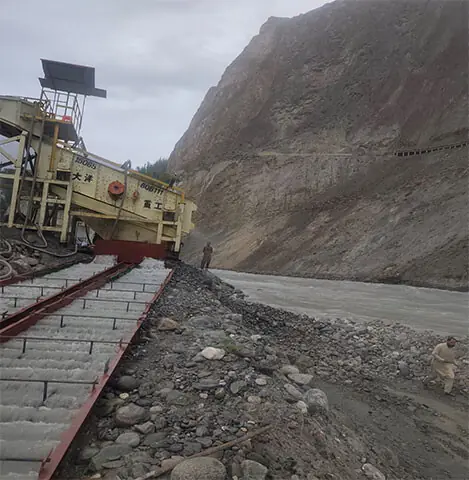
Authorities in Gilgit-Baltistan are sounding the alarm over the increasing intensity of placer gold mining, which involves extracting gold from alluvial deposits in riverbeds. These activities, often carried out by local, national, and even multinational companies, are largely bypassing crucial environmental protection laws.
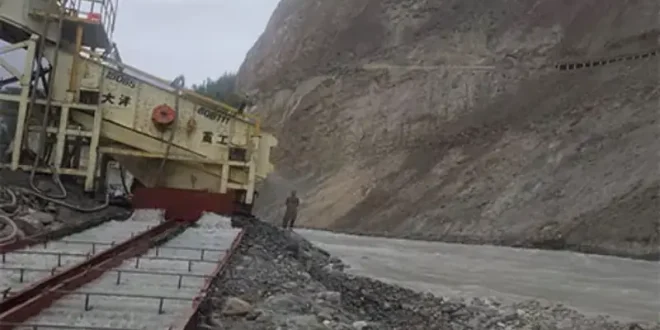
The Gilgit-Baltistan Environmental Protection Agency (GBEPA) has highlighted numerous violations. Heavy machinery is being deployed near vital infrastructure such as bridges, roads, and human settlements, disrupting natural river flows and increasing erosion risks. Untreated wash water, laden with debris, is routinely discharged into rivers, contaminating precious water resources used by local populations for drinking and daily needs. Furthermore, oil leaks from machinery, inadequate waste disposal, and a general lack of proper campsites or sanitation facilities at mining sites are exacerbating pollution woes, impacting water, air, and land quality.
The potential consequences are dire:
- Infrastructure at Risk: The integrity of critical national projects like the Diamer-Bhasha Dam, along with existing roads and bridges, is directly threatened by altered river courses and increased sedimentation.
- Ecosystem Degradation: The fragile mountain ecosystem, vital for biodiversity and ecological balance, suffers irreversible damage.
- Community Health: Polluted water sources pose severe health risks to communities residing along riverbanks.
- Erosion and Instability: Mining activities contribute to riverbank erosion, endangering agricultural land and human settlements, especially during periods of high river discharge.
While the GBEPA has taken some action, including fining and suspending the operations of a company in Hunza for egregious violations, the agency openly admits to a severe shortage of human resources. This critical deficiency hampers its ability to effectively monitor and enforce environmental laws across the vast and rugged terrain of Gilgit-Baltistan. Both the Water and Power Development Authority (WAPDA) and the Communication and Works Department have independently expressed concerns, urging immediate measures to curb these destructive practices near their respective projects.
Gilgit-Baltistan: A Land of Treasures and Fragility
Gilgit-Baltistan, nestled in the Karakoram, Himalayan, and Hindu Kush mountain ranges, is a region of breathtaking beauty and immense strategic importance. Its rivers, fed by glaciers and snowmelt, are the lifelines for its sparse population and critical tributaries to the mighty Indus River system. Geologically, these ancient mountains are known to harbor rich mineral deposits, including placer gold, which naturally occurs in the gravel beds of streams and rivers.
Placer gold mining has historically been practiced on a smaller, more traditional scale in many parts of the world. However, modern operations often employ heavy machinery, transforming what was once a low-impact activity into a destructive industrial process. The lure of economic gain, often significant in a region with limited industrial opportunities, attracts both local entrepreneurs and larger corporations, sometimes in joint ventures, intensifying extraction efforts.
The ecosystem of Gilgit-Baltistan is inherently fragile. Its steep slopes, glacial lakes, and unique flora and fauna are highly susceptible to environmental disturbances. The region is already on the frontlines of climate change, experiencing frequent flash floods, glacial lake outburst floods (GLOFs), and landslides. Unregulated mining only exacerbates these vulnerabilities, making the landscape more prone to natural disasters and threatening its delicate ecological balance.
Pakistan’s environmental legal framework, primarily through the Pakistan Environmental Protection Act (PEPA) of 1997 and subsequent provincial environmental protection agencies, aims to regulate such activities. However, enforcement often lags due to institutional capacity issues, political will, and the sheer scale of the challenges in remote areas like GB.
Wider Repercussions: Beyond Gilgit-Baltistan’s Borders
The unchecked gold rush in Gilgit-Baltistan carries far-reaching consequences that extend beyond the region itself, impacting national development and environmental security:
Environmental Catastrophe:
- Biodiversity Loss: Pollution and habitat destruction directly threaten aquatic life in rivers and streams, disrupting food chains and impacting local ecosystems.
- Water Scarcity and Quality: Contamination of river water affects downstream communities, including major population centers reliant on the Indus River system for drinking, agriculture, and industry. Increased sedimentation can reduce the lifespan and efficiency of dams.
- Exacerbated Climate Vulnerability: Erosion and destabilization of slopes due to mining make the region more susceptible to landslides, flash floods, and GLOFs, putting lives and livelihoods at constant risk.
Economic and Infrastructural Havoc:
- Threat to Diamer-Bhasha Dam: The most significant concern is the potential impact on the Diamer-Bhasha Dam. Increased sedimentation from mining can reduce the dam’s storage capacity and operational life, jeopardizing a project vital for Pakistan’s energy security and water management.
- Damage to National Highways and Bridges: Destabilized riverbanks and altered water flows directly threaten critical arteries like the Karakoram Highway and numerous bridges, disrupting trade, tourism, and essential connectivity.
- Loss of Agricultural Land: River erosion caused by mining activities encroaches upon fertile agricultural land along riverbanks, impacting food security and local economies.
- Tourism Deterioration: A degraded environment, polluted rivers, and damaged infrastructure could severely cripple Gilgit-Baltistan’s nascent tourism industry, a key source of revenue and employment.
Governance and Social Challenges:
- Regulatory Failure: The inability to effectively monitor and regulate mining operations highlights a broader governance challenge and a lack of institutional capacity, particularly in remote regions.
- Health Crisis: Communities dependent on polluted river water face heightened risks of waterborne diseases and other health issues.
- Resource Conflicts: Unregulated resource extraction can lead to social tensions and conflicts over land and water resources, potentially destabilizing local communities.
The Path Forward: Balancing Prosperity with Preservation
The situation in Gilgit-Baltistan presents a classic dilemma of development versus conservation. While mineral wealth offers potential economic uplift, the current unregulated gold rush exemplifies a short-sighted approach that prioritizes immediate profit over long-term environmental sustainability and societal well-being.
Several factors contribute to this crisis:
- Weak Enforcement: The GBEPA’s admitted lack of human resources is a critical bottleneck. Without adequate staff and funding, monitoring vast and rugged terrains for illegal activities becomes impossible.
- Economic Pressures: The allure of quick profits drives individuals and companies, sometimes exploiting legal loopholes or operating entirely outside the law.
- Lack of Awareness: While authorities are aware of the risks, local communities and even some miners may not fully grasp the cumulative, irreversible damage being inflicted.
- Inter-Agency Coordination Gaps: The concerns raised by WAPDA and the C&W Department underscore a need for better coordinated efforts across government agencies to address the multifaceted impacts of mining.
To navigate this complex challenge, a comprehensive and multi-pronged approach is essential:
- Strengthening Regulatory Bodies: The GBEPA and other relevant departments must be adequately staffed, funded, and equipped with modern monitoring tools (e.g., drones, satellite imagery). This includes strengthening the permitting process, ensuring rigorous Environmental Impact Assessments (EIAs), and enforcing Environmental Management Plans (EMPs) for all mining operations.
- Inter-Agency Collaboration: A unified strategy involving the GBEPA, Mines and Mineral Department, WAPDA, local administration, and law enforcement is crucial for integrated planning, monitoring, and enforcement.
- Promoting Sustainable Mining Practices: Mandating the use of environmentally friendly extraction techniques, proper waste management systems (sedimentation ponds, safe oil disposal), and site rehabilitation plans. Penalties for non-compliance must be stringent and consistently applied.
- Community Engagement and Awareness: Educating local communities about the environmental and health risks, empowering them to report illegal activities, and involving them in local monitoring efforts can create a powerful deterrent.
- Investment in Alternative Livelihoods: Supporting sustainable economic activities like eco-tourism, organic agriculture, and small-scale handicrafts can reduce the economic pressure that drives communities towards environmentally destructive practices.
- Research and Development: Investing in research to identify less invasive gold extraction methods suitable for sensitive mountainous regions.
Gilgit-Baltistan is not just a source of minerals; it is a critical natural heritage site and the water tower of Pakistan. The decision to exploit its resources must be balanced with a profound commitment to preserve its delicate environment for future generations. The current trajectory of unregulated gold mining is unsustainable and demands urgent, decisive action from all stakeholders to secure both the ecological health and the developmental future of Pakistan.