Dost Pakistan Journeys Tours and safaris in the North & South Pakistsn
Related Articles


“`html
Balochistan’s Continuing Crisis: Unpacking the Mastung Blast and Pakistan’s Security Challenges
The News
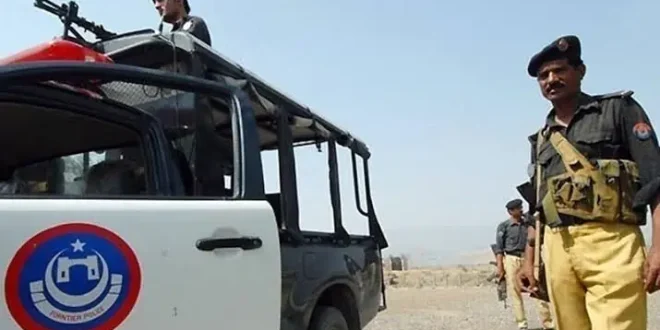
A recent deadly incident in Mastung, Balochistan, claimed the lives of at least four laborers and left three others injured following a blast. Simultaneously, two additional individuals were found shot dead in the same area. The tragic event unfolded late Thursday night in the Garo area of Khud Kocha sub-tehsil, a region that has become a significant hotspot for violence. Notably, this very location was the scene of an armed assault on provincial Home Minister Zia Ullah Langove just last week, an attack he survived but which injured nine people, including six security guards.
While the precise nature of the blast remains officially undetermined, one senior official hinted at the possibility of a drone attack. Hospitals in Mastung received six bodies—four bearing blast injuries and two with bullet wounds—along with three injured individuals, one critically. Four of the deceased labourers have been identified, residents of the nearby Bhag area of Kachhi district, while the other two bodies await identification. Police also confirmed the killing of two alleged terrorists in the vicinity, suggesting these might be the two individuals found shot dead.
This incident occurs amidst a sharp deterioration in Pakistan’s overall security landscape. A recent assessment by the Pakistan Institute for Conflict and Security Studies (PICSS) revealed a concerning 109% increase in terrorist attacks in Balochistan during May, making it the most affected province. The Khud Kocha area itself has been under curfew previously, following a fatal bus attack and a bridge explosion last month, underscoring its chronic instability.
Background: A Region Under Siege
Balochistan, Pakistan’s largest yet least populated province, is a vast territory rich in natural resources, including gas, copper, and gold. Its strategic location, bordering Iran and Afghanistan, and its deep-sea port of Gwadar – a cornerstone of the China-Pakistan Economic Corridor (CPEC) – amplify its geopolitical significance. However, this strategic importance is overshadowed by a protracted and complex conflict.
At the heart of the unrest lies a long-standing ethno-nationalist insurgency. Baloch separatist groups, such as the Baloch Liberation Army (BLA) and the Baloch Republican Army (BRA), demand greater autonomy and a larger share of the province’s resource wealth, alleging exploitation by the federal government and state institutions. Their tactics often involve targeting security forces, government installations, infrastructure projects (especially those linked to CPEC), and non-Baloch settlers.
Adding layers to this conflict are various other militant actors, including religious extremist groups like Tehrik-i-Taliban Pakistan (TTP) and its affiliates, who operate in the border regions and sometimes collaborate or operate in parallel with Baloch nationalists. The Pakistani state has responded with counter-insurgency operations and development initiatives, but these efforts are frequently marred by accusations of heavy-handed tactics and human rights abuses, further alienating local populations and perpetuating the cycle of violence. The recent surge in attacks, as highlighted by the PICSS report, signals a worrying resurgence and consolidation of militant capabilities in the region.
Impact on Pakistan: A Multi-Faceted Crisis
The continued violence in Balochistan carries profound and far-reaching implications for Pakistan, affecting its human capital, economy, political stability, and international standing:
- Human Cost and Social Fabric: The immediate impact is the tragic loss of innocent lives, exemplified by the laborers killed in Mastung. Beyond direct casualties, the persistent insecurity breeds fear, disrupts daily life, and can lead to internal displacement, fragmenting communities and eroding social cohesion.
- Economic Deterioration: Balochistan’s vast resource potential remains largely untapped due to the volatile security environment. Investment, both domestic and foreign, is severely curtailed. Crucially, the ongoing attacks on CPEC projects, such as the Gwadar Port and associated infrastructure, threaten to derail a key pillar of Pakistan’s economic future, adding to the nation’s already significant economic challenges.
- Political Instability and Governance Challenges: The inability to quell the insurgency and ensure security in a major province undermines state authority and challenges the credibility of both provincial and federal governments. It fuels public discontent and skepticism, making effective governance and development initiatives increasingly difficult.
- Strain on Security Forces: The escalating violence places immense strain on Pakistan’s security forces, diverting critical resources and personnel from other national security priorities. The continuous engagement in counter-insurgency operations contributes to a cycle of violence that can be difficult to break.
- International Image and Regional Dynamics: Persistent instability in Balochistan casts a shadow over Pakistan’s international image, potentially affecting diplomatic relations, trade, and foreign investment. Given its borders with Afghanistan and Iran, the regional spillover effects of an unstable Balochistan are also a constant concern, demanding complex geopolitical navigation.
Analysis: A Crucible of Conflict and Ambiguity
The Mastung incident is not an isolated event but a stark symptom of a deeply entrenched and worsening conflict in Balochistan, specifically in areas like Khud Kocha, which have become enduring hotspots. The sequence of events in this particular locale – from the attack on the Home Minister to bus ambushes, bridge blasts, and now this latest deadly incident – unequivocally marks it as a critical flashpoint where militant groups maintain significant operational capacity and presence.
The targeting of laborers in this blast, if it was indeed an act of terrorism, underscores an indiscriminate and brutal strategy aimed at disrupting economic activity and instilling widespread fear. If, as one official suggested, it was a drone attack, this adds a complex, potentially extra-territorial dimension to the conflict, raising questions about accountability and the rules of engagement, and further complicating the narrative with potential for collateral damage.
The conflicting accounts – “nature of blast unknown” versus “drone attack” versus the concurrent “killing of two alleged terrorists” – illustrate the inherent ambiguity and information vacuum that often surrounds such incidents. This “fog of war” makes it challenging to ascertain the exact sequence of events, the specific perpetrators, and their motivations. The discovery of both blast victims and individuals with bullet wounds points to a multifaceted incident, possibly involving multiple stages of attack or different actors at play, making investigations even more complex.
The PICSS report’s findings of a dramatic increase in terrorist activities in Balochistan validate what these ground incidents suggest: a determined and resurgent insurgency. This escalation demands a critical re-evaluation of Pakistan’s security strategies in the province. Mere military operations have proven insufficient in addressing the root causes of the conflict, which lie in long-standing grievances related to resource distribution, political marginalization, and perceptions of state neglect.
Moving forward, Pakistan faces immense challenges. Effective intelligence gathering and swift response mechanisms are crucial, yet the persistence of attacks, even on high-profile targets, indicates ongoing vulnerabilities. A comprehensive strategy for Balochistan must transcend purely security-centric approaches. It requires a multi-pronged effort that combines robust counter-terrorism measures with genuine political dialogue, addressing socio-economic disparities through equitable development, fostering trust with local populations, and ensuring transparent governance. Without such a holistic approach, Balochistan risks remaining a crucible of conflict, undermining both its own potential and Pakistan’s broader stability and prosperity.
“`