Dost Pakistan Journeys Tours and safaris in the North & South Pakistsn
Related Articles


Pakistan Intensifies Counter-Terrorism Operations: Decoding the Darra Adamkhel Offensive
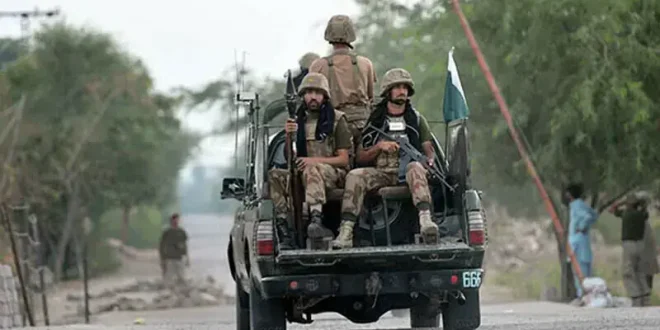
Pakistan’s ongoing struggle against resurgent militancy has once again been thrust into the spotlight, following a significant security operation in Khyber Pakhtunkhwa’s volatile Darra Adamkhel region. The multi-day offensive has resulted in the elimination of at least 13 militants, including several identified as Afghan nationals affiliated with the outlawed Tariq Gidar group, a notorious faction linked to the Tehreek-i-Taliban Pakistan (TTP). This operation underscores Islamabad’s escalating efforts to dismantle terrorist networks threatening national and regional stability.
What Happened: A Targeted Strike in Darra Adamkhel
Security forces launched a concentrated operation in Darra Adamkhel, Khyber Pakhtunkhwa, acting on intelligence regarding the presence of a militant cell. The offensive, now in its second day, has seen intense engagements with terrorists. On Friday, five militants were killed, followed by the elimination of eight more on Saturday, bringing the total to thirteen. Among those neutralized are high-profile individuals like Daud from Zorh Kalay, Hamza, Qari Zeenatullah, and Qari Lawangin. Significantly, Zeenatullah and Lawangin have been identified as Afghan nationals, highlighting the cross-border dimension of the threat. The operation remains active, with security forces maintaining a cordon around the area, committed to neutralizing every last terrorist.
Background: A Region Steeped in Conflict and Resurgent Threats
The Darra Adamkhel region, strategically positioned bordering Kohat and Peshawar districts, has long been a flashpoint for militancy. Historically part of Pakistan’s semi-autonomous tribal areas, it gained notoriety for its illicit arms trade and served as a sanctuary for various militant outfits. The targeted Tariq Gidar group, named after its deceased commander Tariq Afridi, has deep roots in this area and has been a prominent affiliate of the TTP, orchestrating numerous attacks against security forces and convoys. Afridi, a key figure in the TTP’s early operations, was reportedly killed in 2012, but his group’s legacy of violence persists.
This operation is not an isolated incident but rather a response to a disturbing trend: a significant resurgence of terrorism across Pakistan, particularly in Khyber Pakhtunkhwa and Balochistan. This uptick in violence directly correlates with the Afghan Taliban’s return to power in Kabul in August 2021. Islamabad has consistently raised concerns with the interim Afghan administration, asserting that TTP militants and their affiliates operate from sanctuaries within Afghanistan. Despite repeated diplomatic overtures and urgent appeals to dismantle these terrorist havens, Pakistan’s officials contend that these calls have largely gone unheeded. The presence of Afghan nationals among the killed militants in Darra Adamkhel further substantiates Pakistan’s long-standing claims about cross-border support for these groups.
Recent months have seen a series of similar successful counter-terrorism engagements. Earlier this month, five terrorists were killed in separate operations in KP’s Tank and Dera Ismail Khan districts. In early April, eight terrorists met a similar fate along the Pak-Afghan border in North Waziristan. These operations collectively paint a picture of Pakistan’s sustained and intensified efforts to combat the growing menace.
Why it Matters: Securing Borders and National Stability
The Darra Adamkhel operation carries significant weight for several reasons. Firstly, it directly addresses the immediate security threat posed by an active militant cell in a strategically important area. Eradicating such groups prevents them from launching attacks on urban centers and critical infrastructure. Secondly, the identification of Afghan nationals among the dead reinforces Pakistan’s core grievance with the Afghan Taliban regime: the perceived failure to control militant elements operating from their soil. This aspect will undoubtedly amplify diplomatic tensions between the two neighboring countries.
Thirdly, it sends an unequivocal message to all militant organizations that Pakistan’s security forces possess the resolve and capability to pursue and eliminate them wherever they hide. Such decisive actions are crucial for deterring future terrorist activities and restoring a sense of security among the populace. Lastly, the operation contributes to regional stability by targeting groups that not only threaten Pakistan but also have the potential to destabilize the wider South Asian region.
Impact on Pakistan: Navigating a Complex Security Landscape
The immediate impact of successful operations like the one in Darra Adamkhel is a temporary reduction in the capacity of militant groups to launch attacks, potentially saving lives and preventing destruction. This fosters a measure of public confidence in the state’s ability to protect its citizens. However, the broader impact on Pakistan is multifaceted. The persistent need for such large-scale operations strains the nation’s economic resources, diverting funds from development into security expenditure. Furthermore, the ongoing threat of terrorism continues to deter foreign investment and impede economic growth, complicating Pakistan’s efforts to achieve long-term prosperity.
On the diplomatic front, the confirmed presence of Afghan nationals among the deceased militants will undoubtedly intensify Pakistan’s pressure on the Afghan Taliban administration. This situation exacerbates existing strains in bilateral relations, making regional cooperation on counter-terrorism efforts even more challenging. Pakistan finds itself in a precarious position, grappling with a complex security landscape where internal stability is inextricably linked to cross-border dynamics and the policies of its western neighbor.
Analysis: A Proactive Stance Amidst Enduring Challenges
The Darra Adamkhel operation signifies a continued shift towards a more proactive and intelligence-driven counter-terrorism strategy by Pakistan. Rather than reacting to attacks, security forces are increasingly aiming to dismantle militant networks before they can strike. This approach, while effective in achieving tactical victories, also highlights the enduring and deeply entrenched nature of the TTP and its affiliates.
The core challenge for Pakistan remains two-fold: effectively managing its porous border with Afghanistan and compelling the Afghan Taliban to fulfill their commitments regarding preventing terrorist groups from using Afghan soil. The current operation, by showcasing direct links to Afghanistan, provides more leverage for Pakistan in its diplomatic engagements with Kabul. However, without a fundamental change in the Afghan Taliban’s approach, Pakistan will likely continue to face the arduous task of containing cross-border militancy through military means.
Looking ahead, Pakistan’s security outlook will be shaped by its ability to sustain these targeted operations, enhance border surveillance, and critically, to foster greater international pressure on the Afghan Taliban. While military successes like Darra Adamkhel are crucial in the short term, a sustainable solution requires a comprehensive strategy that combines robust security measures with diplomatic engagement, addressing the root causes of extremism, and fostering regional cooperation.