Dost Pakistan Journeys Tours and safaris in the North & South Pakistsn
Related Articles
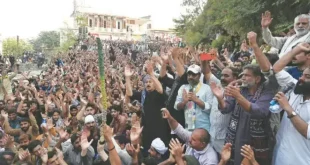

Periods of crisis often bring discomfort, uncertainty, and hesitation. Rising petrol prices, global conflicts, inflation, and economic instability are currently shaping daily life in Pakistan. For many, these developments appear purely negative. However, history shows that such moments do not only disrupt systems—they also reshape them, often creating new opportunities for those who understand the change.
In Pakistan, two sectors that reflect this transformation very clearly are property and tourism. Both industries are deeply connected to economic conditions, and both are now undergoing visible shifts in behavior, demand, and long-term direction.
The Nature of Crisis in Pakistan
Pakistan’s economy has always been sensitive to external shocks. Global conflicts influence oil prices, which in turn affect transportation, construction, and daily living costs. As fuel prices rise, inflation spreads across every sector, reducing purchasing power and increasing financial pressure on individuals and businesses.
In such an environment, uncertainty becomes the dominant factor. People delay decisions, reduce spending, and look for stability wherever possible. Yet, within this hesitation lies the beginning of transformation.
Property Market: From Speculation to Practicality
For many years, Pakistan’s property market was driven largely by speculation. Investors bought plots not for use, but for quick gains. Entire areas developed around expectations rather than real demand.
Today, that pattern is changing. Rising costs and economic pressure are forcing buyers to think differently. The focus is gradually shifting from speculative investment to practical ownership.
People are asking new questions: Is the location convenient? Can it generate rental income? Is it close to work and daily needs? These considerations are becoming more important than the traditional “buy and wait” strategy.
This shift is creating opportunities in specific segments. Apartments in central locations, small commercial units, and older properties with redevelopment potential are gaining attention. On the other hand, distant housing schemes and purely file-based investments are losing their appeal.
The Cost Factor and Its Long-Term Impact
Rising petrol prices have a direct impact on construction. Transporting materials, running machinery, and managing labor all become more expensive. As a result, the cost of building new properties increases significantly.
This leads to a situation where property prices rise, not because of strong demand, but because replacement costs are higher. For investors who understand this dynamic, it presents a different kind of opportunity—investing before costs rise further.
Tourism: Adapting to a New Reality
Tourism in Pakistan is equally sensitive to economic conditions. Travel becomes expensive when fuel prices rise, and people naturally reduce discretionary spending. Long trips become less frequent, and luxury travel declines.
However, tourism does not disappear—it adapts. Travelers begin to look for alternatives. Short trips, nearby destinations, and budget-friendly options become more popular. Group travel increases as people try to share costs.
From the perspective of someone who has been working in tourism since 1989, these patterns are familiar. The industry has never followed a straight path. It has always adjusted itself according to circumstances, sometimes shrinking, sometimes expanding, but rarely standing still.
The Emerging Opportunities
While the immediate effects of crisis are challenging, they also create new directions for growth.
In property, opportunities lie in:
- Central locations with strong rental demand
- Affordable housing segments
- Commercial units in high-traffic areas
In tourism, opportunities are emerging in:
- Local and regional travel packages
- Short-duration tours
- Customized and budget-oriented experiences
These are not entirely new ideas, but they are becoming more relevant than ever before.
A Shift in Mindset
Perhaps the most important change is not in the market itself, but in the mindset of people. Buyers, investors, and travelers are becoming more cautious, more informed, and more practical.
This shift may reduce speculative activity, but it strengthens the foundation of both industries. Decisions based on real needs and long-term value tend to create more stable markets.
Looking Ahead
It is unlikely that the current economic challenges will disappear quickly. Petrol prices, global uncertainty, and inflation may continue to influence Pakistan’s economy in the near future.
However, these pressures are also shaping a more mature and realistic market. Property is becoming more use-oriented, and tourism is becoming more adaptive and flexible.
For those who are willing to observe carefully and act wisely, this period of uncertainty may offer opportunities that are not visible in times of stability.
Crisis changes the direction of markets, but it does not eliminate them. In Pakistan, both property and tourism are undergoing a transition. The old patterns are weakening, and new ones are emerging.
Understanding these changes is essential. Those who continue to follow outdated approaches may struggle, while those who adapt to new realities may find unexpected opportunities.
In the end, uncertainty is not just a challenge—it is also a turning point.