 Dost Pakistan Journeys Tours and safaris in the North & South Pakistsn
Related Articles

Following a tense conflict and a temporary ceasefire, global attention has shifted toward Pakistan, where a new round of negotiations between the United States and Iran is expected to take place. Reports suggest that US President Donald Trump is keen to visit Pakistan to participate in the next phase of talks, signaling the importance of Islamabad as a diplomatic bridge in one of the world’s most sensitive geopolitical crises.
Pakistan’s Role as a Mediator
Pakistan has emerged as a central mediator in bringing both sides to the table. During the first round of negotiations held in Islamabad on the night of April 11–12, three phases of talks were conducted. The initial phase was indirect, where Pakistani intermediaries helped establish the agenda. This was followed by direct face-to-face discussions between representatives of both countries, and later a working dinner. A final technical round involved experts discussing key issues in detail.
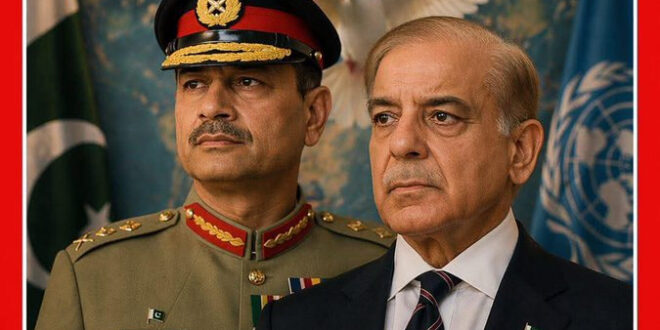
Senior Pakistani leadership, including Prime Minister Shehbaz Sharif and military leadership, remained actively involved throughout the process, underlining the seriousness of the diplomatic effort.
A Historic Moment
This marks the first high-level direct engagement between the United States and Iran since 1979. The significance of this development cannot be overstated, especially considering the recent escalation in tensions and military confrontation between the two nations.
Diplomacy, often described as an art, has brought former adversaries under one roof. While discussions appear calm on the surface, underlying tensions remain intense, reflecting deep-rooted disagreements.
Key Issues Dividing the Two Sides
Two major points of contention dominate the مذاکرات:
- Control of the Strait of Hormuz: Iran seeks full control over this strategic waterway, while the United States has proposed a shared control arrangement, which Iran has rejected.
- Iran’s Nuclear Program: The United States is pushing for Iran to abandon its nuclear ambitions, while Iran insists on its right to maintain a peaceful nuclear program.
These differences have so far prevented a final agreement, but ongoing discussions suggest that both sides are willing to continue negotiations.
Technical Negotiations: From Principles to Details
Experts note that the talks have now moved beyond broad principles into technical details — a crucial step in any serious negotiation. This transition indicates progress, as discussions now involve specific questions about nuclear material, enrichment levels, storage locations, and international monitoring mechanisms.
Iran reportedly sent a large delegation of over 70 experts, while the United States has also deployed a full technical team to Islamabad. This highlights the complexity and seriousness of the مذاکرات.
China and Regional Pressure
China has also entered the equation, reportedly advising the United States to finalize an agreement with Iran before any upcoming diplomatic engagements in Beijing. This reflects the broader geopolitical stakes, as major powers seek to influence the outcome.
Israel’s Opposition and Regional Tensions
Israel has strongly opposed these negotiations and has reportedly attempted to disrupt the process. Military actions in Lebanon and continued regional tensions highlight the fragile environment in which these talks are taking place.
Even if a US-Iran agreement is reached, analysts believe that Israel’s strategic objectives in the region may continue to pose challenges to long-term peace.
A Turning Point for the Region?
The possibility of a high-level meeting involving President Trump and Iranian President Masoud Pezeshkian in Islamabad could mark a historic breakthrough. If successful, such an agreement could reduce tensions not only between the United States and Iran but across the Middle East.
However, experts caution that even without direct conflict, the geopolitical landscape is shifting. Increased military presence, strategic competition, and rising distrust could still impact global stability and trade routes.
Conclusion
The ongoing negotiations in Pakistan represent more than just diplomatic talks — they are a test of whether dialogue can succeed where conflict has failed. As the world watches closely, Islamabad has become the center stage for a potential تحول in global politics.
The coming days will determine whether these efforts lead to lasting peace or merely a pause in an ongoing struggle.