Dost Pakistan Journeys Tours and safaris in the North & South Pakistsn
Related Articles



Pakistan’s Fuel Price Cut: A Glimmer of Hope for Economic Relief?
Pakistan’s government has announced a significant reduction in petrol and diesel prices, signaling a potential easing of economic pressures on its citizens. This analysis delves into the implications of this move amidst a challenging economic landscape.
What Happened: Substantial Relief at the Pump
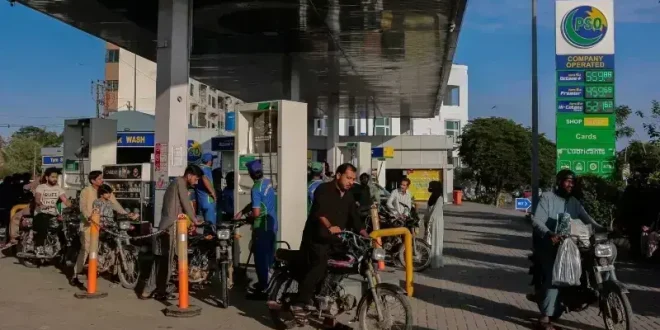
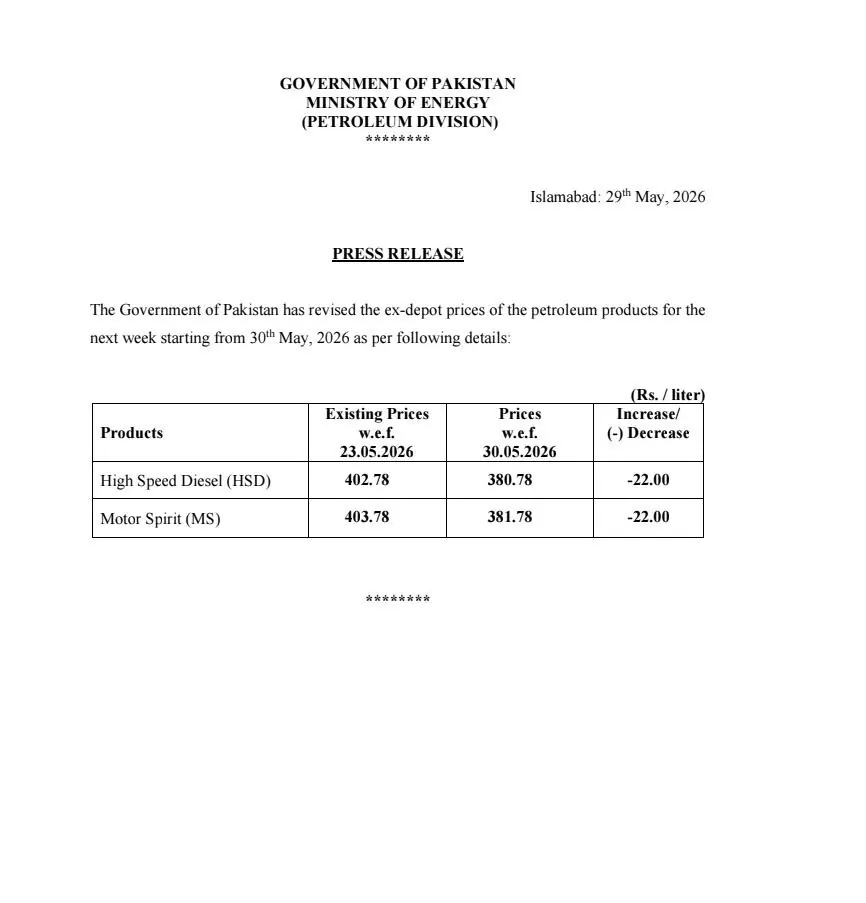
In a move offering tangible relief to millions, the government of Pakistan, through the Prime Minister’s Office (PMO), declared a substantial cut of Rs22 per litre for both petrol and high-speed diesel (HSD). This follows a previous reduction of Rs6-7 per litre last week, marking a second consecutive downward revision in fuel prices. As a result of this latest decision, the price of HSD is now approximately Rs380 per litre, while petrol stands at roughly Rs381 per litre. Kerosene prices also saw a significant reduction, dropping from Rs313.44 to Rs272 per litre.
Prime Minister Shehbaz Sharif underscored his administration’s commitment to public welfare, stating that providing relief to the people is a “top priority” and that the promise to pass on benefits when “space was created for it” has been fulfilled. The revised prices became effective from May 30th for the upcoming week, as confirmed by the Petroleum Division and the Oil and Gas Regulatory Authority (OGRA).
Background: Navigating Economic Headwinds and Global Volatility
Pakistan’s economy has been grappling with persistent challenges, including high inflation, a volatile currency, and the demands of ongoing international financial programs, notably with the International Monetary Fund (IMF). The nation’s heavy reliance on imported energy makes it particularly susceptible to fluctuations in global crude oil prices, which directly impact its trade balance and domestic energy costs.
In recent months, while global oil markets have seen periods of volatility influenced by geopolitical tensions and supply-demand dynamics, there has been a recent trend of softening international crude prices. This downward shift has created the fiscal “space” that the Prime Minister referred to, allowing the government to pass on some of the benefits to consumers. The practice of weekly petroleum price revisions, which became more consistent following periods of global geopolitical unrest, enables the government to quickly adapt to these international market changes.
Why It Matters: A Direct Impact on the Common Citizen
Fuel prices are not merely a line item in a personal budget; they are a fundamental cost driver across the entire economy. A reduction in petrol and diesel prices has far-reaching implications:
- Household Budgets: Petrol is predominantly consumed by private vehicles, motorcycles, and auto-rickshaws. For the middle and lower-middle classes, who rely heavily on these modes of transport, a Rs22 reduction translates into tangible savings on daily commutes, providing a much-needed respite from high living costs.
- Transport and Logistics: High-speed diesel (HSD) fuels the backbone of Pakistan’s logistics sector – heavy transport vehicles, trucks, and buses. It is also crucial for large generators used by businesses and industries. Lower HSD prices mean reduced operational costs for transporting goods, potentially leading to a decrease in the prices of essential commodities.
- Inflationary Pressure: Fuel is a significant input cost in the Consumer Price Index (CPI). A drop in fuel prices can help cool inflationary pressures, impacting everything from food prices (due to cheaper transport) to manufacturing costs, contributing to overall economic stability.
Immediate and Broader Impact on Pakistan
The recent fuel price cut is expected to generate several positive effects across Pakistan’s economic and social landscape:
- Immediate Consumer Relief: Citizens will experience direct savings at the pump, improving disposable incomes for many struggling households. This includes specific beneficiaries like motorcyclists and rickshaw drivers, for whom fuel costs constitute a significant portion of their daily expenses.
- Potential Easing of Inflation: By lowering transport and operational costs, this measure could contribute to a moderation in the country’s stubbornly high inflation rate. While the full effect might take time to trickle down, it offers a positive signal for price stability.
- Government’s Stance and Image: The move reinforces the Shehbaz Sharif administration’s commitment to public welfare and its responsiveness to global market opportunities. The PMO highlighted previous government initiatives, including subsidies for public and goods transport, demonstrating a consistent effort to mitigate the burden on citizens.
- Boost to Economic Activity: Reduced fuel costs can lower the cost of doing business, potentially stimulating small and medium-sized enterprises and providing a slight impetus to economic activity.
Analysis: A Calculated Move Amidst Economic Realities
The latest fuel price reduction is undoubtedly a welcome development for millions of Pakistanis grappling with high living costs. It reflects a government attempting to deliver on its promise of relief, leveraging a window of opportunity provided by falling international crude oil prices. This can be seen as both an economically rational decision – adjusting to global market dynamics – and a politically astute one, aiming to garner public goodwill amidst ongoing economic challenges and prior unpopular decisions related to fiscal tightening.
However, analysts will be keen to observe the sustainability of such measures. Pakistan’s economy remains sensitive to global energy market volatility and currency fluctuations. While the immediate impact is positive, a sudden rebound in international oil prices could quickly erase these gains, forcing the government to either raise prices again or absorb the cost through subsidies, straining an already tight fiscal budget. The previous mention of government subsidies for public transport underscores the delicate balancing act between providing relief and managing national finances.
Ultimately, while this significant fuel price cut offers a much-needed psychological and economic breather, it represents a temporary reprieve rather than a fundamental solution to Pakistan’s deeper structural economic issues. A long-term strategy for energy security, diversification of energy sources, and sustainable fiscal management will be crucial for achieving enduring economic stability and providing consistent relief to its populace.