Dost Pakistan Journeys Tours and safaris in the North & South Pakistsn
Related Articles



Karachi Port Collision: A Deep Dive into Pakistan’s Maritime Safety and Economic Lifeline
What Happened: A Near Miss at Pakistan’s Busiest Port
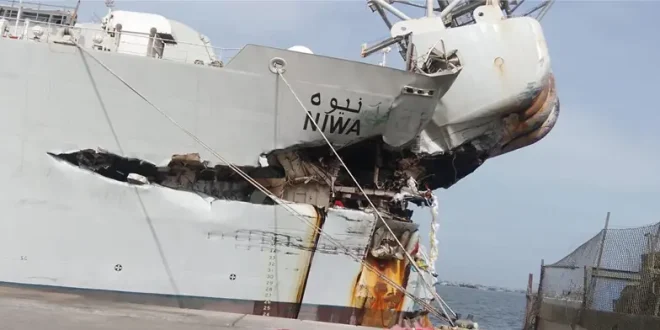
In a significant maritime incident on May 28th, two commercial vessels, MV Niwa and MV Papu, reportedly collided in the waters off Karachi Port. While immediate details remained scarce, officials confirmed the incident on Friday, attributing it to the alleged negligence of the ships’ captains. Fortunately, the collision resulted in no casualties or injuries, and initial reports indicated that regular port operations at Karachi remained unaffected. One of the involved vessels, a cable-laying ship, was successfully brought into the port with assistance from the Karachi Port Trust (KPT) tugboats. The federal government has swiftly ordered a comprehensive probe into the matter, with the Maritime Affairs Minister, Junaid Anwar Chaudhry, emphasizing that the accident occurred outside the port’s immediate operational limits but highlighted the critical need for investigation into the causes.
Background: Karachi’s Pivotal Role and the Inherent Risks of Shipping
Karachi Port stands as Pakistan’s largest and busiest seaport, serving as the nation’s primary economic artery and a vital gateway for international trade. Its strategic location on the Arabian Sea makes it indispensable for Pakistan’s imports and exports, handling a vast majority of the country’s cargo traffic. This bustling activity, however, inherently brings challenges related to maritime safety and traffic management. Ports worldwide, especially those with high vessel density like Karachi, operate under stringent international maritime regulations, often overseen by the International Maritime Organization (IMO), and enforced by national maritime authorities and port trusts. Despite advanced navigational aids, human error remains a leading cause of maritime accidents, whether due to miscommunication, fatigue, inadequate training, or outright negligence. The waters surrounding major ports are complex environments, demanding constant vigilance and adherence to sophisticated Vessel Traffic Management Systems (VTS) to prevent collisions, groundings, and other mishaps.
Why It Matters: Beyond the Immediate Incident
While the immediate impact of the MV Niwa and MV Papu collision was thankfully limited – no loss of life, no injuries, and no reported disruption to port operations – the incident carries significant weight for several reasons. Firstly, it poses a potential reputational risk for Karachi Port and Pakistan’s broader maritime sector. International shipping lines and logistics companies prioritize safety and efficiency; even minor incidents can raise concerns about port management and navigational security. Secondly, it underscores the ever-present threat of severe accidents. A different scenario, involving a tanker carrying oil or hazardous chemicals, could have led to a catastrophic environmental disaster or extensive damage to critical infrastructure. Lastly, such incidents highlight vulnerabilities in the maritime supply chain. Had the collision been more severe or occurred within a critical channel, it could have triggered widespread delays, escalating costs, and significant disruptions to Pakistan’s trade flows.
Impact on Pakistan: Safeguarding an Economic Lifeline
For Pakistan, the integrity and smooth functioning of Karachi Port are paramount to its economic stability and growth. The port is a cornerstone of the national economy, facilitating the movement of essential goods, raw materials, and finished products that fuel industries and meet consumer demands. Any prolonged disruption to port activities, stemming from a major accident or safety concerns, could have cascading negative effects on the national economy, impacting inflation, export competitiveness, and foreign investment. Beyond economics, the port also holds strategic importance for national security, serving as a key naval base and vital for regional maritime security. The ongoing federal probe is therefore not just about accountability for the specific captains involved, but about identifying potential systemic weaknesses that, if left unaddressed, could jeopardize this vital national asset and its pivotal role in Pakistan’s future development.
Analysis: Learning from Near Misses to Strengthen Maritime Resilience
The collision near Karachi Port, despite its minimal immediate consequences, serves as a crucial wake-up call for Pakistan’s maritime authorities. The ordered federal probe must delve deeper than merely identifying captain negligence. It needs to investigate potential contributing factors such as the effectiveness of the Vessel Traffic Service (VTS) in the area, communication protocols between vessels and port control, training standards for vessel masters and pilots, and the overall traffic management system in one of the world’s busiest shipping lanes. This incident presents an opportunity for Pakistan to reassess and enhance its maritime safety frameworks, investing further in state-of-the-art navigation technology, robust emergency response capabilities, and continuous professional development for maritime personnel. By thoroughly understanding the root causes of this near miss, Pakistan can proactively implement reforms to bolster the resilience and safety of its primary economic lifeline, ensuring that Karachi Port remains a secure and efficient hub for international trade well into the future. Learning these lessons is essential to maintain international confidence and prevent more severe incidents that could cripple the nation’s vital maritime corridor.
“`