Dost Pakistan Journeys Tours and safaris in the North & South Pakistsn
Related Articles


“`html
Pakistan’s Asaan Scheme: A New Chapter in Tax Reform for Small Businesses
What Happened: A Bid to Broaden the Tax Net
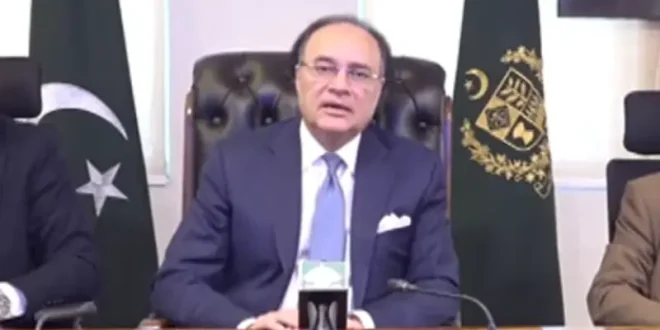
In a significant move aimed at formalizing a vast segment of its economy, the Pakistani government, through Finance Minister Muhammad Aurangzeb, has unveiled the ‘Asaan Scheme’. This voluntary fixed tax rate initiative targets small shop owners with annual turnovers up to Rs200 million, proposing a modest 1% tax on their net income. Positioned as a crucial step towards a more “equitable, balanced and sustainable” tax system, the scheme seeks to draw millions of small businesses into the national tax framework.
Key features of the Asaan Scheme include the issuance of FBR plaques with unique QR codes for participating shops, coupled with the implementation of point-of-sale (POS) systems. These technological integrations are designed to enhance transparency and facilitate tax collection, allowing inspectors to easily access tax details. Importantly, the scheme is open to both existing tax filers and non-filers, provided they meet the turnover criteria, with specific exemptions for kiosks. Officials have emphasized that this is a “tax facilitation scheme,” not an amnesty, underscoring its intent to simplify compliance for a crucial yet largely untaxed sector.
Background: Pakistan’s Persistent Tax Challenge and IMF Pressure
Pakistan has long grappled with a stubbornly low tax-to-GDP ratio, hovering significantly below regional and global averages. This chronic issue stems from a massive informal economy, pervasive tax evasion, a narrow tax base, and complex, often regressive, tax structures. A significant portion of economic activity, particularly within the small and medium-sized enterprise (SME) sector, operates outside the formal tax net, depriving the national exchequer of much-needed revenue.
The urgency for tax reform is further amplified by Pakistan’s precarious economic situation. Plagued by high inflation, a burgeoning debt crisis, and a continuous need for external financing, the country is heavily reliant on the International Monetary Fund (IMF). The upcoming federal budget for FY2026-27, scheduled for June 10, is being formulated under strict IMF oversight. Revenue generation and fiscal consolidation are primary conditions set by the IMF for continued financial support, making initiatives like the Asaan Scheme critical for demonstrating Pakistan’s commitment to structural economic reforms.
Why It Matters: Broadening the Base for Fiscal Stability
The Asaan Scheme represents a pivotal moment in Pakistan’s ongoing struggle for fiscal stability. Firstly, it directly addresses the critical challenge of broadening the tax base. By bringing millions of small shop owners into the formal tax system, even at a low rate, the government can tap into a significant, untapped revenue stream. This expansion is essential for reducing the burden on existing taxpayers and improving the overall fairness of the tax system.
Secondly, the scheme’s emphasis on simplification and technology is a refreshing approach. The complexities of Pakistan’s tax laws have historically deterred small businesses from compliance. A fixed 1% rate, coupled with accessible registration and digital tools like QR codes and POS systems, aims to remove these barriers, fostering an environment where compliance is easier and less intimidating. This could be a game-changer for businesses that previously found the tax system opaque and cumbersome.
Finally, the initiative signals a strong intent to meet IMF conditionalities, which are vital for unlocking further tranches of financial assistance and restoring investor confidence. Successful implementation could demonstrate the government’s resolve to undertake difficult but necessary reforms, paving the way for greater economic stability and attracting foreign investment.
Impact on Pakistan: Potential Gains and Inherent Challenges
The successful rollout of the Asaan Scheme could have transformative impacts on Pakistan. On the positive front, a broadened tax net will directly translate into increased government revenue, crucial for financing public services, reducing the fiscal deficit, and servicing the country’s substantial debt. It could also lead to a more equitable distribution of the tax burden, reducing reliance on indirect taxes that disproportionately affect the poor.
Moreover, integrating small businesses into the formal economy through this scheme could have long-term benefits for economic growth. Formalization often leads to improved access to credit, better business practices, and greater transparency, potentially fostering a more dynamic and competitive small business sector. The use of technology could also set a precedent for digital transformation in other areas of governance.
However, the scheme faces inherent challenges. Its voluntary nature means success hinges on the willingness of shop owners to opt in. Resistance from traders, who have historically been reluctant to enter the tax net, remains a significant hurdle. Effective communication, trust-building, and robust enforcement without harassment will be crucial. The implementation of POS systems and the adoption of digital methods by shopkeepers, particularly in less urbanized areas, also present practical difficulties. Furthermore, the auditing mechanism, to be done in consultation with local traders’ associations, while designed to build consensus, could also introduce complexities or perceived leniency that undermines the scheme’s effectiveness.
Analysis: A Step in the Right Direction, But Not a Silver Bullet
The Asaan Scheme represents a commendable and much-needed step by the Pakistani government to address a fundamental structural weakness in its economy: the narrow tax base. By targeting small shop owners, a politically sensitive but economically vital segment, the government is tackling a significant contributor to the informal economy. The strategy of offering a simple, fixed tax rate and leveraging technology for compliance is a pragmatic approach, recognizing the unique challenges faced by small businesses.
However, it is vital to view this scheme not as a complete solution, but as an initial, critical component of a broader, ongoing tax reform agenda. Its success will depend less on the design itself and more on its execution and the sustained political will behind it. The distinction between a “facilitation” and an “amnesty” is important; this scheme aims for systemic change rather than a temporary revenue boost. For true and lasting change, the government must ensure consistent application, transparent enforcement, and cultivate a culture of tax compliance through education and incentives, rather than solely through punitive measures.
Ultimately, while the Asaan Scheme holds immense potential for Pakistan’s fiscal health and economic formalization, its long-term impact will be measured by its ability to overcome historical resistance, ensure widespread adoption, and serve as a credible pathway for millions of small businesses to contribute fairly to the nation’s development. It’s a significant stride, but the journey towards a truly equitable and sustainable tax system for Pakistan is still a long one.
“`