Dost Pakistan Journeys Tours and safaris in the North & South Pakistsn
Related Articles


“`html
Xi Jinping’s Pyongyang Visit: Beijing Reasserts Influence Amid Shifting Geopolitics
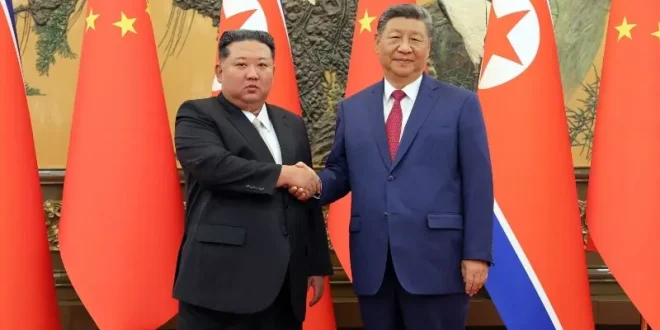
Chinese President Xi Jinping’s upcoming state visit to North Korea, scheduled for June 8-9, marks a pivotal moment in East Asian diplomacy. This trip, Xi’s first to Pyongyang in nearly seven years and his inaugural overseas journey of the year, signals Beijing’s determined effort to recalibrate and deepen its relationship with its only formal treaty ally, particularly as Pyongyang forges closer ties with Moscow.
What Happened: A High-Stakes Diplomatic Overture
The announcement by Xinhua and KCNA confirms that President Xi Jinping will visit North Korea at the invitation of leader Kim Jong Un. This high-profile trip follows a series of significant diplomatic engagements for Beijing, including hosting US President Donald Trump and Russian President Vladimir Putin recently. It also comes on the heels of renewed transportation links between the two capitals, with passenger train services and Air China flights resuming after a six-year hiatus imposed by the COVID-19 pandemic.
The visit is framed against a backdrop of increasing North Korean assertiveness regarding its nuclear program. Just this week, state media reported on Kim Jong Un’s inspection of a new nuclear material production factory, where he called for an “exponential” expansion of the nation’s atomic arsenal. Experts suggest such pronouncements are often strategically timed to precede high-level diplomatic meetings, setting a tone or leveraging the moment for greater concessions.
Background: A Shifting Alliance Landscape
Historically, China has been North Korea’s most crucial economic benefactor and diplomatic protector. However, the dynamics of this relationship have evolved. The COVID-19 pandemic led to an unprecedented freeze in exchanges, during which North Korea significantly deepened its military and political alignment with Russia, particularly in the context of supporting Russia’s war in Ukraine with troops and weaponry. This growing Pyongyang-Moscow axis has likely spurred Beijing to re-engage more forcefully to ensure its traditional influence isn’t eroded.
China’s strategic interest in North Korea remains multifaceted: maintaining a buffer state, preventing regional instability that could spill over its borders, and asserting its role as the primary arbiter of affairs on the Korean Peninsula. While Xi Jinping has visited South Korea twice as President, his single prior trip to Pyongyang as China’s top leader underscores the delicate balance Beijing aims to strike. The perception among analysts is that China seeks to remind the international community, including Russia and the United States, that it remains the “principal actor” when it comes to North Korean matters.
Why It Matters: Geopolitical Chess and Regional Stability
Xi’s visit holds immense geopolitical significance. Firstly, it’s a clear signal from Beijing that it is not ceding influence over Pyongyang to Moscow. By reasserting its presence, China aims to manage the evolving trilateral relationship between China, Russia, and North Korea, preventing any single power from dominating the narrative or direction of the Korean Peninsula.
Secondly, the trip is crucial for regional stability. North Korea’s declared intent to “exponentially” expand its nuclear capabilities poses a direct challenge to global non-proliferation efforts and heightens tensions in East Asia. How China chooses to engage with this ambition—whether through implicit endorsement, quiet discouragement, or a public call for restraint—will have significant repercussions for South Korea, Japan, and the United States’ security strategies in the region.
Moreover, the visit allows China to maintain its preferred “symmetry” in dealing with both Koreas, demonstrating its unique position as a significant partner to both Pyongyang and Seoul. This diplomatic balancing act is a hallmark of Chinese foreign policy in the region, aimed at promoting its long-term strategic interests without alienating either side.
Impact on Pakistan: Indirect but Significant Ripples
While the immediate focus of Xi’s North Korea visit is on East Asian geopolitics, its implications can ripple across the global stage, indirectly affecting countries like Pakistan. Pakistan, a strategic partner of China and a nuclear power itself, observes such developments through the lens of international relations and security.
The reassertion of China’s influence in its backyard contributes to the broader narrative of a multipolar world order, where established alliances and power dynamics are continually being tested and redefined. For Pakistan, which places high value on its ironclad friendship with China, stability in any region where China has significant interests is generally seen as beneficial, fostering an environment conducive to global trade, investment, and strategic cooperation, including projects like the China-Pakistan Economic Corridor (CPEC).
Furthermore, North Korea’s nuclear ambitions and the international response to them are of particular interest to Pakistan. As a responsible nuclear state, Pakistan closely monitors global discourse on nuclear proliferation, arms control, and the diplomatic strategies employed by major powers to manage such complex security challenges. The outcome of China’s engagement with North Korea on these issues could set precedents or influence regional security paradigms that have broader relevance.
Ultimately, while there is no direct, immediate impact, the visit underscores the fluidity of global power dynamics. Pakistan, navigating its own complex regional challenges, pays close attention to how major powers like China manage their alliances and security dilemmas, as these trends invariably shape the global strategic environment.
Analysis: Beijing’s Strategic Recalibration
President Xi Jinping’s visit to Pyongyang is a masterful move in China’s evolving geopolitical strategy. It serves multiple objectives:
- Reaffirming Hegemony: Beijing wants to solidify its position as the primary foreign policy actor influencing North Korea, pushing back against Russia’s increasing presence. This is about maintaining a delicate balance of power, ensuring that North Korea does not become solely reliant on Moscow, which could undermine China’s long-term regional interests.
- Messaging to the West: The visit sends a clear message to Washington and its allies that China remains an indispensable player in any future denuclearization efforts or stability initiatives on the Korean Peninsula. Any diplomatic overtures or sanctions regimes targeting North Korea will still require Beijing’s tacit approval or active participation to be truly effective.
- Managing the Nuclear Question: The timing of Kim’s nuclear factory visit is no coincidence. Xi’s presence could be used by North Korea to implicitly legitimize its nuclear ambitions, or conversely, it could provide a platform for China to quietly urge restraint and dialogue, albeit without publicly condemning its ally. China prefers a stable, denuclearized peninsula, but not at the cost of regime collapse in Pyongyang or increased U.S. military presence near its border.
- Internal Consolidation: For both leaders, the visit reinforces their domestic authority. For Xi, it demonstrates China’s continued global diplomatic reach. For Kim, it shows continued support from his most powerful ally, providing a sense of security and legitimacy amidst international sanctions.
In essence, Xi’s trip is less about immediate breakthroughs and more about a strategic recalibration. China is adapting to a global landscape marked by intensifying great power competition and shifting alliances. By deepening its engagement with North Korea, Beijing is not only protecting its strategic interests but also subtly reshaping the geopolitical chessboard of East Asia, underscoring its pivotal role in a region increasingly vital to global stability.
“`