Dost Pakistan Journeys Tours and safaris in the North & South Pakistsn
Related Articles


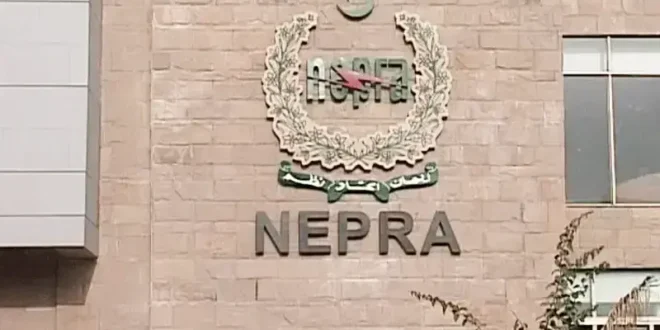
Pakistan Electricity Relief: Nepra Cuts Power Tariffs for Summer Months
In a significant announcement offering much-needed relief to millions, the National Electric Power Regulatory Authority (Nepra) has notified a net reduction in electricity charges for consumers across Pakistan for the months of June, July, and August. This decision, expected to inject approximately Rs56 billion worth of financial relief, comes as a welcome respite amidst ongoing economic challenges and the onset of the demanding summer season.
What Happened: Decoding Nepra’s Tariff Adjustments
Nepra, the independent regulator overseeing Pakistan’s power sector, has orchestrated a unique three-month period of reduced electricity costs through the combined effect of two distinct tariff mechanisms. While a Fuel Cost Adjustment (FCA) for April indicated an increase, a larger Quarterly Tariff Adjustment (QTA) for the January-March quarter has effectively negated and then superseded this rise.
- April’s Fuel Cost Adjustment (FCA): Nepra approved an increase of Rs1.19 per unit to account for the higher actual fuel prices incurred by power generation companies during April. This additional cost will be reflected in consumers’ June bills, amounting to an additional Rs11 billion for distribution companies (DISCOs).
- January-March Quarterly Tariff Adjustment (QTA): Simultaneously, Nepra notified a substantial reduction of Rs1.99 per unit under the QTA mechanism for the first quarter of 2026. This significant cut will translate to a total financial impact of Rs67 billion in consumer relief, spread equally over June, July, and August.
The cumulative effect is a net positive for consumers: an approximate 80 paisa per unit reduction in June (Rs1.99 QTA reduction minus Rs1.19 FCA increase), followed by the full Rs1.99 per unit reduction in July and August. These adjustments will largely benefit all consumer categories, with specific exemptions for lifeline consumers, Electric Vehicle Charging Stations (EVCS), and those on pre-paid tariffs for certain components.
Background: Navigating Pakistan’s Energy Landscape
Understanding Nepra’s decision requires insight into the structure of Pakistan’s electricity tariffs. Nepra’s mandate is to regulate the power sector, ensuring cost recovery for utilities while protecting consumer interests. This involves frequent adjustments to reflect dynamic operational costs:
- Fuel Cost Adjustment (FCA): This is a monthly pass-through mechanism. As Pakistan relies heavily on imported fossil fuels like oil, gas, and coal for electricity generation, international commodity price fluctuations directly impact power generation costs. FCA ensures these changes are reflected in consumer bills, preventing DISCOs from incurring losses due to volatile fuel prices.
- Quarterly Tariff Adjustment (QTA): QTAs are broader reconciliations conducted every three months. They account for changes in non-fuel components of the tariff, including capacity charges (payments to power producers for plant availability), transmission and distribution (T&D) charges, operational and maintenance costs, and the financial impact of T&D losses.
Pakistan’s energy sector continues to face systemic challenges such as persistent circular debt, inefficiencies in T&D, and a reliance on expensive power purchase agreements, all of which contribute to high base tariffs. Therefore, any downward adjustment, however temporary, is significant.
Why It Matters: A Breather for Consumers and Economy
Nepra’s tariff reduction holds considerable importance for Pakistan’s economy and its citizens:
- Direct Financial Relief: The Rs56 billion cumulative relief provides tangible breathing room for households and businesses grappling with persistently high inflation and the general rising cost of living. This comes at a crucial time, easing the financial strain during the scorching summer months when electricity consumption peaks due to increased cooling needs.
- Potential Impact on Inflation: While electricity is one component of the broader Consumer Price Index (CPI), a reduction in utility costs can contribute, even modestly, to easing inflationary pressures. This could offer a psychological boost to a populace weary of rising prices.
- Boost to Sentiment: Positive news regarding essential utility costs can improve consumer and business confidence, signaling a period of potential stability or at least a temporary reprieve from escalating expenses.
Impact on Pakistan: Short-Term Gains, Long-Term Challenges
This tariff adjustment offers a much-needed, albeit short-term, boost for Pakistan. Families will experience lower electricity bills, potentially freeing up some disposable income for other necessities. Furthermore, the underlying reasons for the QTA reduction – which included adjustments in capacity and transmission charges, along with the impact of government-backed incremental consumption packages for industrial and agricultural sectors – could subtly support productivity in these critical economic areas.
However, it is vital to contextualize this relief. It’s largely a technical reconciliation of costs rather than a fundamental restructuring of the energy sector. The core challenges facing Pakistan’s power landscape – including the massive circular debt, the reliance on often expensive imported fuels, inefficiencies in distribution, and the heavy burden of capacity payments to power producers – remain unaddressed by such adjustments alone. While welcome, this move serves as a temporary band-aid rather than a comprehensive cure for the sector’s deep-rooted issues.
Analysis: A Timely Adjustment Amidst Volatility
Nepra’s decision appears to be a calculated and timely adjustment, strategically implemented as the country enters its period of highest electricity demand. The substantial QTA reduction, which overshadows the FCA increase, suggests that non-fuel cost components—such as capacity charges, transmission fees, and possibly better management of system losses—played a crucial role in enabling this relief. The mention of the “incremental consumption package” also hints at specific policy interventions designed to stimulate industrial and agricultural output being reflected in the tariff structure.
While the immediate positive impact on household budgets is undeniable, the long-term sustainability of such relief remains questionable given the inherent volatility of global energy markets and Pakistan’s structural energy dependencies. Future FCAs could quickly reverse this temporary reprieve if international oil and gas prices escalate again. For lasting stability, Pakistan must intensify its efforts to diversify its energy mix towards cheaper, indigenous, and renewable sources, invest heavily in upgrading its transmission and distribution infrastructure to minimize losses, and decisively tackle the burgeoning issue of circular debt. Until these foundational reforms are achieved, tariff adjustments, though providing welcome relief, will largely continue to be reactive measures within a challenging energy ecosystem.
Published in Dawn, June 5th, 2026