Dost Pakistan Journeys Tours and safaris in the North & South Pakistsn
Related Articles



Biometric Barrier? Punjab Lawyers Raise Alarms Over Justice Access
The Unintended Consequences of Digital Justice in Punjab
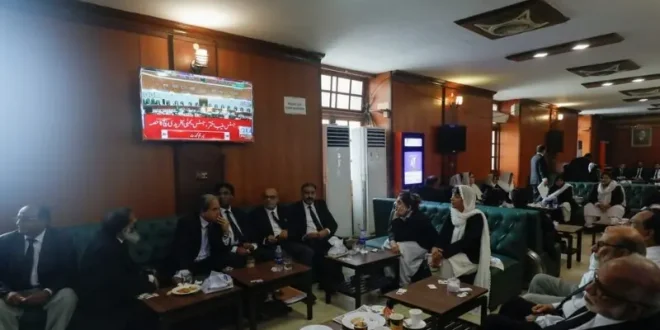
A recent mandate enforcing biometric verification for all litigants filing cases in Punjab has ignited a significant debate within the province’s legal community. Introduced in March 2026, this measure was heralded as a progressive step towards modernizing the judiciary, aimed at curbing fraudulent litigation, impersonation, and the use of bogus witnesses. However, what was envisioned as a facilitative technical upgrade is increasingly being decried by lawyers as an unwarranted “gatekeeping mechanism,” hindering the fundamental right to access justice.
Legal practitioners across Punjab highlight a litany of issues, from pervasive technical glitches and inadequate infrastructure to the imposition of an additional financial burden on often vulnerable litigants. The mandatory fee, officially Rs200 but frequently inflated to Rs300, is perceived as transforming judicial reform into a “pay-to-access” model. Furthermore, local bar associations express deep frustration over the lack of consultation prior to the system’s implementation, arguing that key stakeholders were sidelined in a process that directly impacts their daily work and the public they serve.
Context: Pakistan’s Quest for Judicial Modernization
The introduction of biometric verification within Pakistan’s judicial system is not an isolated event but rather part of a broader national push towards digital governance and administrative efficiency. Pakistan has made significant strides in biometric identification through institutions like NADRA (National Database and Registration Authority), which has digitized national identity cards and streamlined various public services. The judicial system, often grappling with a considerable backlog of cases, allegations of frivolous lawsuits, and procedural delays, naturally seeks similar modernization to enhance its credibility and operational integrity.
The stated objectives — to deter fake litigation and ensure the authenticity of parties and witnesses — resonate with long-standing challenges faced by the Pakistani judiciary. This initiative, championed by the National Judicial (Policy-making) Committee (NJPMC) and the Lahore High Court (LHC), aimed to inject security and efficiency into legal proceedings, aligning the justice system with contemporary digital standards. The aspiration was to create a more robust, transparent, and trustworthy judicial environment.
Why This Matters: Eroding the Pillars of Justice
The concerns raised by the legal fraternity underscore a critical tension between judicial efficiency and the foundational principle of universal access to justice. In a democratic society, the right to approach a court for redress is paramount, especially for the poor and marginalized. When a “facilitative measure” evolves into a bureaucratic and financial obstacle, it disproportionately impacts those least equipped to navigate such hurdles, potentially violating fundamental rights enshrined in the Constitution.
The issues extend beyond mere inconvenience. Technical failures can lead to missed deadlines for urgent matters, as highlighted by a litigant who failed to file a stay application due to system glitches. The imposition of fees, particularly those with opaque allocations (like the “financial assistance” for judicial staff), not only burdens litigants but also risks normalizing unofficial monetary demands, eroding public trust in the judiciary. Moreover, the lack of effective consultation with local bar associations, who are on the front lines of justice delivery, signals a top-down policy approach that overlooks practical realities and stakeholder input, which is vital for successful reform.
Impact Across Pakistan: A Chilling Effect on Litigants and Legal Practice
The ramifications of Punjab’s biometric system extend deeply into the lives of ordinary citizens and the functioning of the legal profession. For litigants, particularly those in rural areas or with limited digital literacy, the mandatory verification adds layers of complexity, cost, and potential delay to an already daunting process. This “pay-to-access” model could effectively price out segments of the population from seeking legal recourse, leaving grievances unaddressed and undermining faith in the justice system.
Lawyers, too, face significant challenges. The system’s application to sensitive areas like criminal bail petitions (pre- and post-arrest) or routine civil miscellaneous applications is deemed excessive and unnecessary, creating additional burdens without clear benefits. The requirement for witness biometric verification, with no fee refunds for adjournments, further complicates proceedings and adds to expenses. If the system continues to impede rather than assist, it could contribute to a backlog of unresolved cases, exacerbate public dissatisfaction, and strain the relationship between the bar and the bench, ultimately hindering the overall effectiveness of Pakistan’s judiciary.
Analysis: Recalibrating Reform for Genuine Accessibility
The current impasse surrounding Punjab’s biometric verification system highlights a crucial lesson in policy implementation: even well-intentioned reforms must be carefully planned, robustly resourced, and genuinely consultative. The vision of a modernized, fraud-free judiciary is commendable, yet its execution appears to have prioritized technical mandates over practical accessibility and human impact.
The core problem isn’t the concept of biometric verification itself, which holds potential for efficiency gains, but its flawed rollout. The contrast with the Islamabad High Court, which charges a nominal Rs30 for similar services without additional levies, underscores the need for a re-evaluation of fee structures and their ethical implications. For a system to truly enhance justice, it must be equitable, efficient, and user-friendly, not an arbitrary barrier. Moving forward, the Lahore High Court and relevant policy-making bodies must engage in meaningful dialogue with all segments of the legal community, address infrastructure deficits, streamline procedures, and review the applicability and cost of the system. Only through such a recalibration can the biometric system evolve from a perceived “gatekeeping mechanism” into a true facilitator of justice for all citizens of Pakistan.