 Dost Pakistan Journeys Tours and safaris in the North & South Pakistsn

Related Articles

“`html
Pakistan’s Deadly Rain: A Crisis of Climate, Communication, and Accountability
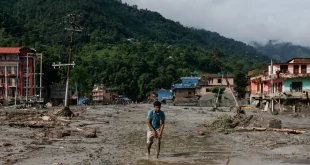
The tragic events of August 15, 2025, in Buner, Khyber Pakhtunkhwa, serve as a stark reminder of Pakistan’s vulnerability to extreme weather and the critical shortcomings in its disaster preparedness. What began as a typical rainy Friday quickly escalated into a devastating cloudburst, turning tranquil mountain streams into destructive torrents. The personal tragedy of Sulaiman, a school teacher who lost 24 family members and over Rs 210 million in assets, underscores a national crisis where advanced meteorological data often fails to translate into timely, actionable warnings for those most at risk. This isn’t merely a tale of climate change, but a profound indictment of systemic failures in forecasting, communication, and governance that leaves countless lives hanging in the balance.
The Gathering Storm: Pakistan’s Climate Reality
Pakistan stands on the front lines of the global climate crisis, repeatedly identified as one of the most climate-vulnerable nations. Its diverse geography, from arid plains to towering mountains, makes it susceptible to a range of extreme weather events, including intense heatwaves, prolonged droughts, and, most critically, devastating monsoonal floods. The monsoon season, historically a life-giver for agriculture, has become increasingly unpredictable and severe. The Buner cloudburst, though localized, is symptomatic of a larger trend: the increasing frequency and intensity of extreme weather phenomena that overwhelm existing infrastructure and response mechanisms. Communities like Buner, once shielded by their perceived remoteness from major river systems, are now finding themselves directly in the path of unprecedented climate wrath.
The human and economic toll is staggering. Beyond the immediate loss of life and property, these events leave a lasting legacy of displacement, trauma, and economic instability. Agricultural lands, the backbone of many rural economies, are laid waste, forcing displacement and exacerbating poverty. Children returning to schools grapple with deep-seated trauma, a constant reminder of nature’s ferocity. As recent headlines attest, nationwide monsoon-related deaths regularly surpass alarming figures, pointing to a persistent struggle in safeguarding the population from these escalating threats.

The Forecasting Frontier: State vs. Independent Efforts
At the heart of Pakistan’s struggle with climate disasters lies a complex and often contentious dynamic between its official weather forecasting body, the Pakistan Meteorological Department (PMD), and emerging independent weather analysts. The PMD, a state-backed “Goliath,” boasts an impressive array of resources: over 100 observation stations, helium-filled weather balloons, Doppler radars (some Japanese-funded), satellite feeds, and participation in the World Meteorological Organisation’s Global Telecommunication System. This vast infrastructure allows it to generate macro-level predictions and engage in real-time data exchange with international agencies.
However, as experts like former PMD director-general Dr. Ghulam Rasul and former Chief Meteorologist Dr. Sardar Sarfaraz highlight, atmospheric science is inherently probabilistic and chaotic. Numerical weather prediction models, while powerful, rely on assumptions that may not perfectly match the messy reality of nature, leading to compounded errors over time. Moreover, vast geographical blind spots persist, particularly in remote, mountainous regions where rapid micro-climatic shifts are common. Dr. Rasul stresses the “art” of forecasting, where seasoned meteorologists’ local terrain knowledge and intuition can often outperform raw computational power, citing instances where local insights correctly predict cyclone diversions that global models miss.
In contrast, independent forecasters, the “Davids” of this narrative, operate with a different toolkit. Individuals like Jawad Memon of Weather Updates PK, a self-taught enthusiast, leverage readily available global weather models, integrate ground-level parameters (like wind farm dynamics), fund private weather stations, and utilize social media for real-time feedback and accountability. Similarly, Junaid Yamin, CEO of *Weatherwalay*, has built a private network of around 400 weather stations, combining their data with international models and proprietary machine-learning algorithms to provide localized, app-based push notifications.
This duality has led to public debate. PMD officials sometimes dismiss independent forecasts as “unnecessary hype” or argue that any accuracy is merely a reflection of global models, not individual expertise. Yet, Dr. Rasul concedes that private forecasters fill a critical void, especially in communicating localized risks, a challenge even advanced meteorological departments in other countries, like India, are grappling with. The current PMD practice of issuing broad advisories across entire provinces, where specific events are rare, is clearly ineffective, leaving local populations ill-informed.