Dost Pakistan Journeys Tours and safaris in the North & South Pakistsn
Related Articles



“`html
Pakistan’s Apna Ghar Scheme: Ambitious Targets for Affordable Housing Amidst Economic Realities
Prime Minister Shehbaz Sharif’s bold pledge to build millions of homes for the underprivileged under the Apna Ghar Programme signals a renewed commitment to social welfare, setting an ambitious Rs 1,000 billion disbursement target. But what are the underlying currents and potential hurdles for this monumental undertaking?
The News
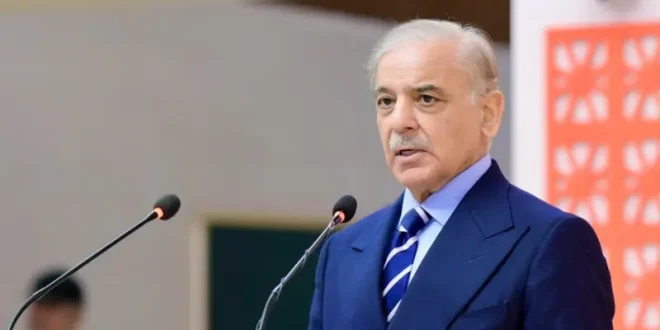
In a recent address, Prime Minister Shehbaz Sharif reinvigorated the national conversation around affordable housing, setting an audacious goal for the Prime Minister Apna Ghar Programme: disbursing Rs 1,000 billion in loans over the next six months. Speaking at a ceremony marking the milestone of over Rs 100 billion already disbursed under the scheme, the Premier unequivocally declared that there would be “no cap” on the number of homes the government intends to facilitate for the nation’s poor, committing to construct “millions if needed.”
Sharif underscored a deep concern for the vast disparity in Pakistan, where a privileged few enjoy opulence while a significant populace struggles for basic necessities like shelter, education, and healthcare – a stark deviation from the vision of Pakistan’s founder, Quaid-i-Azam Muhammad Ali Jinnah. He criticized past housing initiatives for disproportionately benefiting the affluent, stressing that the true need resides with laborers, widows, orphans, and low-income families across the country. To accelerate progress, the Prime Minister directed key financial and housing ministries, alongside the Governor of the State Bank of Pakistan (SBP) and commercial banks, to collectively strive for this intensified target. He also praised the top-performing banks, even extending recognition in the form of “blue passports” to their leaders, while emphasizing the inherent responsibility that comes with such recognition to ensure prompt and genuine loan approvals.
Background: Addressing Pakistan’s Housing Deficit
Pakistan faces a significant and growing housing crisis, estimated to be in the millions of units, with the most severe deficit affecting low-income groups in both urban and rural settings. Rapid urbanization, population growth, and a lack of formalized property markets contribute to a burgeoning informal sector and the proliferation of slums, particularly in major cities like Karachi, Lahore, and Faisalabad. Historically, access to formal housing finance for the common citizen has been severely limited, largely due to stringent collateral requirements, high-interest rates, and banks’ preference for lower-risk, higher-return avenues like government treasury bills.
Previous governments have attempted to address this challenge, notably with initiatives such as the Naya Pakistan Housing Programme, which aimed to construct 5 million houses. While these programs laid the groundwork for integrating affordable housing into the national agenda, their implementation often faced bureaucratic hurdles, financial constraints, and issues with land acquisition and development. The current Apna Ghar Programme, launched relatively recently, aims to learn from these experiences by creating a more streamlined, accessible, and inclusive financing mechanism. It represents a critical social welfare initiative, aiming not just to provide roofs over heads but also to stimulate economic activity through the construction sector, which has strong backward and forward linkages throughout the economy. The SBP has played a crucial role in providing regulatory frameworks and incentives for banks to participate in low-cost housing finance, acknowledging the sector’s potential to drive economic growth and enhance social equity.
Impact on Pakistan: Social Uplift and Economic Catalyst
The successful implementation of the Apna Ghar Programme holds transformative potential for Pakistan, touching both its social fabric and economic landscape.
Social Impact:
- Improved Living Standards: Providing safe and dignified housing directly improves the quality of life for millions, reducing overcrowding and exposure to health risks associated with inadequate shelter.
- Enhanced Dignity and Security: Homeownership offers a sense of stability, security, and pride, particularly for vulnerable groups like widows, orphans, and laborers, fostering social cohesion and reducing urban insecurity.
- Access to Services: Well-planned housing schemes can facilitate better access to education, healthcare, and other essential social services, contributing to overall human development.
- Poverty Alleviation: By freeing families from the burden of high rents or precarious living conditions, resources can be diverted to other critical needs, serving as a pathway out of intergenerational poverty.
Economic Impact:
- Construction Sector Boom: An influx of Rs 1,000 billion into housing finance will trigger a massive demand for construction materials (cement, steel, bricks) and services, injecting vitality into an array of allied industries.
- Job Creation: The housing sector is a significant employer. Such a program could create hundreds of thousands of jobs, both skilled (engineers, architects) and unskilled (laborers, masons), addressing unemployment challenges.
- Economic Multiplier Effect: Investment in housing has a high multiplier effect, meaning every rupee spent generates several rupees in economic activity across various sectors, stimulating overall economic growth.
- Financial Inclusion: By extending formal housing loans to low-income segments, the program encourages financial literacy and brings more people into the formal banking system, deepening financial markets.
- Formalization of Property Market: The emphasis on “unencumbered and clear title property” can push for better land record management and regularization, enhancing transparency and efficiency in the real estate sector.
Analysis: Ambition Meets Reality
Prime Minister Shehbaz Sharif’s renewed push for the Apna Ghar Programme is laudable, reflecting a genuine desire to address a fundamental social inequity. However, the ambitious targets and pledges must be viewed through the lens of Pakistan’s complex economic and systemic realities.
The target of Rs 1,000 billion in disbursements within six months, following Rs 112 billion in six and a half months, represents an eight-fold acceleration. While the initial disbursement is a good start, achieving such rapid scale-up will face significant challenges. Bank reluctance, as acknowledged by the PM, stems from a preference for safe government securities. Overcoming this will require sustained incentives, clear risk mitigation strategies from the SBP, and perhaps even partial government guarantees to de-risk these loans for commercial banks. The “blue passport” incentive for top-performing banks is an innovative approach to foster competition and accountability, but it also places immense pressure on bank leadership to deliver, potentially risking rushed approvals or overlooking due diligence.
A critical systemic hurdle remains the issue of clear land titles and property documentation. Pakistan’s land records are often fragmented, disputed, or informal, making it difficult for banks to secure collateral and process loans efficiently. While the Prime Minister urged banks to assist applicants, a broader, government-led initiative to digitize and formalize land records is crucial for the long-term success and scalability of such programs. Furthermore, the economic environment, characterized by inflation and rising construction material costs, poses a direct threat to the “affordability” aspect of the scheme. Ensuring that homes remain within reach for low-income families requires careful monitoring of market prices and potentially, targeted subsidies or innovative construction techniques.
The emphasis on a corruption-free scheme is vital, given past experiences with public welfare projects. Robust oversight and transparent processes will be key to maintaining public trust and ensuring resources reach the intended beneficiaries. The proposed tripartite coordination involving Abad, the SBP, and banks is a positive step, recognizing the importance of involving the private sector and industry experts in policy implementation. Abad’s confidence in meeting the target of 500,000 homes through continued cooperation is encouraging, highlighting the construction sector’s readiness to participate.
Ultimately, the Apna Ghar Programme is more than just a housing scheme; it’s a statement about the state’s responsibility towards its most vulnerable citizens. Its success will depend not just on ambitious targets, but on persistent political will, systemic reforms in land administration and banking, vigilant oversight, and a collaborative spirit among all stakeholders to overcome entrenched challenges and translate the vision of an equitable Pakistan into a tangible reality for millions.
Key Takeaways:
- PM Shehbaz Sharif sets an aggressive Rs 1,000 billion loan disbursement target for the Apna Ghar Programme in six months, pledging unlimited homes for the poor.
- The program aims to address Pakistan’s severe housing deficit and correct historical biases towards the elite in housing schemes.
- Potential impacts include significant job creation, a boost to the construction sector, improved living standards, and enhanced financial inclusion.
- Major challenges involve overcoming bank reluctance, streamlining complex land titling issues, managing inflation in construction costs, and ensuring robust anti-corruption mechanisms.
- The scheme’s success hinges on collaborative efforts between government, SBP, commercial banks, and the construction industry, alongside sustained systemic reforms.
Disclaimer: This article provides an analysis based on the provided news summary and general knowledge about Pakistan’s economic and social context. Information is subject to change.
“`