Dost Pakistan Journeys Tours and safaris in the North & South Pakistsn
Related Articles



FIA’s Dual Blow Against Illicit Finance and Counterfeiting: A Sign of Renewed Resolve?
Recent actions by Pakistan’s Federal Investigation Agency (FIA) in Lahore signal a growing determination to tackle deep-rooted issues undermining the nation’s economic integrity and business environment. The arrest of four individuals across two distinct, yet equally damaging, criminal enterprises – illegal currency exchange (hawala/hundi) and widespread copyright infringement – highlights a multi-faceted approach to reinforcing the rule of law.
What Happened: FIA Targets Financial Crime and IP Theft in Lahore
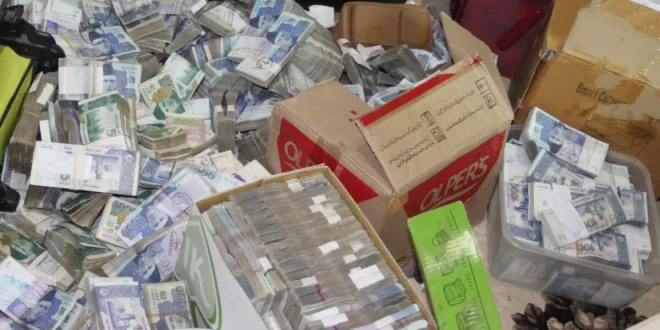
On Sunday, the FIA’s Lahore Corporate Crime Circle executed targeted raids, leading to the apprehension of four suspects. Two individuals were taken into custody for their alleged involvement in an illicit hawala/hundi network. Authorities recovered a significant sum of Rs20.4 million in local currency, alongside various foreign denominations including US dollars, Australian dollars, UAE Dirhams, British Pounds, and Saudi Riyals. Crucially, digital and documentary evidence pertaining to these informal transactions was also seized, providing potential leads for broader investigations.
In separate operations, another two suspects were arrested for egregious violations of the Copyright Act, 1962. These individuals were found in possession of a substantial quantity of counterfeit goods, deceptively branded as products from well-known registered companies, indicating a systematic operation of stocking and selling fake merchandise.
Background: A Wider Crackdown Against Economic Sabotage
These arrests are not isolated incidents but rather a visible manifestation of a concerted governmental push against financial illicit activities and intellectual property (IP) theft. Hawala/hundi is an informal, trust-based value transfer system that operates outside the regulated banking channels. While historically used for legitimate remittances, it has become a primary conduit for money laundering, terror financing, tax evasion, and capital flight, severely undermining a nation’s formal economy and currency stability. Pakistan’s ongoing struggle with economic headwinds, including rupee depreciation and a persistent current account deficit, makes the control of such parallel economies critically important.
The government’s resolve on this front has been increasingly pronounced. In January, Interior Minister Mohsin Naqvi issued stern directives, making it unequivocally clear that hawala/hundi operations would not be tolerated. This was followed by a comprehensive announcement in March, where the Interior and Finance ministries declared a massive, nationwide crackdown on money laundering and hawala-hundi networks. This sustained, high-level commitment suggests a more strategic and enduring campaign than previous sporadic efforts.
Similarly, violations of the Copyright Act, which protect the original creations of authors, artists, and businesses, represent a significant economic drain. The proliferation of counterfeit products not only cheats consumers but also stifles innovation, discourages foreign investment, and harms legitimate businesses by creating an unfair competitive landscape.
Why It Matters: Stabilizing the Economy and Protecting Innovation
The significance of these crackdowns extends far beyond individual arrests. The illegal hawala/hundi system directly contributes to Pakistan’s economic instability. By bypassing official channels, it deprives the government of crucial tax revenue and creates an artificial demand for foreign currency in the black market, putting downward pressure on the Pakistani Rupee. Furthermore, unchecked illicit financial flows make Pakistan vulnerable to international scrutiny, including potential grey-listing by bodies like the Financial Action Task Force (FATF), which can severely impact foreign aid, investment, and trade relations.
Concurrently, a robust enforcement of intellectual property rights is vital for fostering a healthy business environment. Counterfeiting erodes consumer trust, damages brand reputations, and discourages both domestic and foreign companies from investing in a market where their innovations are not protected. For Pakistan, which is keen to attract foreign direct investment and promote its own nascent industries, demonstrating a commitment to IP protection is paramount to its international image and economic growth prospects.
Impact on Pakistan: A Path Towards Greater Transparency and Stability
Should these enforcement efforts be sustained and expanded, their impact on Pakistan could be transformative. By curbing hawala/hundi, the government aims to channel remittances through formal banking channels, bolstering official foreign exchange reserves and potentially stabilizing the rupee. This would also enhance tax collection, providing much-needed revenue for public services and development projects.
On the intellectual property front, consistent action against counterfeiters would foster a more level playing field for legitimate businesses, encourage innovation, and make Pakistan a more attractive destination for international brands and investment. This reinforces the nation’s commitment to global trade standards and a rules-based economy.
Ultimately, these crackdowns contribute to strengthening the rule of law and improving Pakistan’s international standing. By actively combating financial crimes and intellectual property theft, Pakistan signals its seriousness in addressing long-standing challenges that have hindered its progress and reputation.
Analysis: Sustained Effort is Key to Long-Term Success
While these recent arrests are commendable and demonstrate the FIA’s operational capacity, they are but a single step in a much larger, complex battle. The informal economy and the networks supporting it are deeply entrenched, operating with considerable sophistication. Similarly, the market for counterfeit goods is vast and often facilitated by intricate supply chains.
The true success of this initiative will hinge on several factors: the sustainability of political will, the continuous allocation of resources to enforcement agencies like the FIA, and robust judicial support to ensure swift and decisive prosecutions. Beyond arrests, a systemic overhaul that simplifies formal banking channels, improves ease of doing business, and educates the public about the risks of informal money transfers and counterfeit products will be crucial.
This dual crackdown aligns with Pakistan’s broader economic reform agenda, aiming to foster an environment conducive to stability, growth, and transparency. It signals a move towards formalizing the economy and protecting the rights of legitimate businesses and innovators. However, only persistent and comprehensive efforts will yield the desired long-term outcomes for a more resilient and prosperous Pakistan.