 Dost Pakistan Journeys Tours and safaris in the North & South Pakistsn
Related Articles

Pakistan’s FY2026-27 Budget: A Strategic Pivot Towards Export-Led Growth and Economic Resilience
The News: PM Shehbaz Unveils “People-Friendly” and “Export-Oriented” Budget Vision
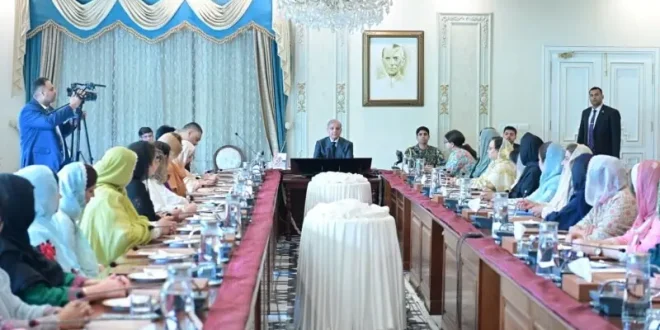
Prime Minister Shehbaz Sharif has championed Pakistan’s federal budget for the fiscal year 2026-27 as a transformative blueprint, emphasizing its “people-friendly” and “export-oriented” nature. Speaking to women parliamentarians from the PML-N, PM Sharif conveyed his optimism that the budget would deliver “relief-oriented” benefits, especially with the “restoration of peace in the region.” A significant aspect highlighted by the Prime Minister was the government’s commitment to women’s empowerment, with measures introduced to increase their inclusion in the mainstream economy, signaling a top priority.
Adding weight to the government’s narrative, Information Minister Attaullah Tarar and State Minister for Finance Bilal Azhar Kayani vigorously defended the budget, portraying it as a positive and relief-oriented package. They underscored the administration’s proactive measures to stabilize the economy from a near-default situation, attributing success to comprehensive reforms within the Federal Board of Revenue (FBR) and a resolute drive to broaden the tax net. Key relief initiatives include tax adjustments for the salaried class, reduced property taxes for smaller homes, abolition of advance and super taxes for exporters, and the removal of the so-called ‘pink tax’. The budget’s strategic focus, as articulated by Finance Minister Muhammad Aurangzeb during its presentation, is firmly on increasing productivity and boosting exports.
Background: Navigating Pakistan’s Perennial Economic Labyrinth
Pakistan has long grappled with structural economic challenges, including persistent fiscal deficits, a precarious balance of payments, and heavy reliance on external borrowing, often from the International Monetary Fund (IMF). The period leading up to the current budget presentation was particularly tumultuous, characterized by soaring inflation, dwindling foreign exchange reserves, and a looming threat of sovereign default. This crisis necessitated difficult decisions, including austerity measures and compliance with stringent IMF conditionalities, which often involved increasing taxes and cutting subsidies.
Against this backdrop, the government’s pronouncements of a “people-friendly” and “relief-oriented” budget carry significant weight. The Information Minister’s reference to the PML-N leadership “stepping in” to stabilize the economy from its lowest macroeconomic indicators alludes to the arduous journey of fiscal consolidation and stabilization efforts over the past two years. The mention of Pakistan’s “peace efforts” during a “US-Iran crisis” or “war” impacting global inflation provides a rhetorical frame for the economic challenges, suggesting that external geopolitical tensions exacerbated domestic economic woes, necessitating the government’s proactive role in both regional diplomacy and economic safeguarding. This narrative helps contextualize the government’s claim of having shielded the public from a global inflationary wave through initiatives like the Rs128 billion subsidy package and austerity drive.
Impact on Pakistan: A Multi-faceted Approach to Economic Revival
The FY2026-27 budget introduces a blend of fiscal tightening and targeted relief, signaling a strategic shift to stabilize Pakistan’s economy and foster sustainable growth. Its potential impacts are far-reaching:
- Revenue Mobilization and Tax Reforms: The aggressive FBR reforms, including digitization, merit-based hiring, and the implementation of a “faceless system” for customs and income tax, are designed to curb corruption and enhance efficiency. The government’s success in collecting Rs60 billion from sugar mills and addressing a Rs200 billion leak in the tobacco industry, alongside targeting beverage and cement sectors, underscores a serious intent to broaden the tax base. This direct enforcement, independent of IMF mandates, could significantly improve Pakistan’s tax-to-GDP ratio, a critical factor for long-term fiscal health and reduced dependence on foreign aid.
- Export Promotion: The abolition of advance tax and super tax for exporters is a direct incentive to boost Pakistan’s struggling export sector. Coupled with the focus on developing key productive sectors like IT, agriculture, and minerals, these measures aim to enhance Pakistan’s competitiveness in international markets, crucial for improving the balance of payments and strengthening the rupee.
- Targeted Relief for Citizens: The budget offers specific relief measures designed to ease the burden on various segments of society. The graduated tax structure for the salaried class (1% for Rs50,000-Rs100,000 monthly income) and reduced taxes on 5-10 marla houses, along with the “Apna Ghar” scheme disbursing Rs90 billion, aim to provide tangible benefits. The abolition of the ‘pink tax’ – typically a discriminatory surcharge on products marketed towards women – is a significant step towards economic equity for women.
- Women’s Empowerment: Beyond the ‘pink tax’ abolition, the explicit inclusion of measures to empower women and increase their mainstream participation is a positive step. Investing in women’s economic inclusion can unlock significant human capital potential and contribute substantially to national economic growth.
- Sectoral Development: Prioritizing water resources, IT, agriculture, and minerals points to a long-term vision for economic diversification and resilience. Enhancing water security is fundamental for agricultural output, while investments in IT and minerals can drive high-value exports and create skilled employment.
- Inter-Provincial Fiscal Dynamics: The three-year freeze on provincial transfers is a notable move, reallocating resources towards security and relief. While framed as a necessary measure, its implementation will require continued cooperation between federal and provincial governments, particularly as provinces might feel the pinch on their development projects.
Analysis: Ambition Meets Reality in Pakistan’s Fiscal Blueprint
Pakistan’s FY2026-27 budget presents an ambitious vision, striving to balance immediate relief with long-term structural reforms. The government’s narrative is one of proactive management and a strategic pivot towards sustainable economic growth.
Strengths of the Budgetary Approach:
- Bold Revenue Mobilization: The FBR reforms and aggressive tax collection drive from previously untaxed or undertaxed sectors represent a critical shift. If sustained, this could significantly reduce Pakistan’s chronic fiscal deficits and its reliance on external debt, providing a stronger foundation for the economy.
- Export-Oriented Growth: The clear emphasis on boosting exports through incentives and focusing on key productive sectors is a strategic imperative. This approach directly addresses Pakistan’s perennial balance of payments issues, offering a pathway to greater economic self-reliance.
- Targeted Social Relief: By offering relief to the salaried class, small traders, homeowners, and abolishing the ‘pink tax’, the government attempts to cushion the impact of economic stabilization on vulnerable populations while simultaneously expanding the tax net, rather than burdening existing taxpayers further.
- Structural Reforms: Beyond immediate fiscal measures, the focus on IT, agriculture, water, and minerals indicates an understanding of the need for deeper structural changes to enhance productivity and diversify the economic base.
Challenges and Considerations:
- Implementation Hurdles: While ambitious, FBR reforms face historical challenges of political will, bureaucratic resistance, and enforcement capacity. Sustained commitment will be crucial for these reforms to yield their full potential. The transition to a “faceless system” requires robust IT infrastructure and strict oversight to prevent new forms of circumvention.
- Inflationary Pressures: Despite relief measures, broadening the tax base and implementing new levies (e.g., on social media earnings, higher minimum tax for wholesalers) could still contribute to inflationary pressures in the short to medium term. The true “people-friendly” nature of the budget will be tested by its impact on the cost of living.
- The “US-Iran War” Context: The Prime Minister’s repeated mention of a “US-Iran war” as a catalyst for global inflation and Pakistan’s subsequent peace efforts serves as a significant rhetorical device. While geopolitical tensions in the region undeniably impact global commodity prices and supply chains, particularly oil, the direct reference to a “war” that impacted global inflation in the context of recent history might be an exaggeration or a pre-emptive framing to attribute past economic difficulties to external factors, justifying the government’s subsequent “relief” measures and diplomatic engagements. This framing, while aiming to highlight the government’s crisis management, might obscure the underlying domestic economic fragilities.
- Provincial Buy-in: The freeze on provincial transfers, while freeing up federal resources, might create friction with provincial governments seeking funds for their development agendas. Maintaining “full cooperation” between federation and provinces, as lauded by the PM, will be key to avoiding political disputes.
- Long-Term Sustainability: While the budget outlines a path towards economic stability and growth, achieving “developed world” status requires consistent policy implementation, attraction of significant foreign direct investment, and a conducive business environment beyond just tax reforms. Pakistan’s chronic reliance on IMF programs suggests that deeper, sustained structural reforms are still needed.
Conclusion: A Path Forward Paved with Reforms and Hope
Pakistan’s federal budget for FY2026-27 marks a pivotal moment, reflecting a government keen on demonstrating fiscal responsibility, broadening its revenue base, and steering the economy towards an export-led growth model. Prime Minister Shehbaz Sharif’s vision, supported by robust reforms in the FBR and targeted relief measures, signals a serious intent to break away from chronic economic instability. The emphasis on women’s empowerment, sectoral development in IT, agriculture, and minerals, and direct incentives for exporters paints a picture of a forward-looking strategy.
However, the true success of this budget will hinge on its effective implementation, the government’s ability to navigate persistent inflationary pressures, and its capacity to maintain federal-provincial harmony. While the rhetoric of navigating global crises like a “US-Iran war” provides a backdrop for explaining past hardships, the future trajectory of Pakistan’s economy will primarily be shaped by sustained political will, consistent policy execution, and continued efforts to enhance productivity and competitiveness. The “Team Pakistan” vision is ambitious, but its realization is essential for charting a course towards long-term prosperity and placing the nation firmly among the developed economies.

