Dost Pakistan Journeys Tours and safaris in the North & South Pakistsn

Related Articles

Pakistan’s Economic Resurgence: Hope or Hype After “ICU” Exit?
The News: A Glimmer of Hope from the National Assembly
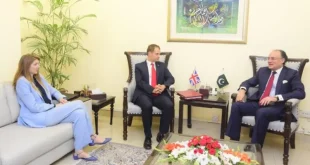
Pakistan’s Defence Minister, Khawaja Asif, recently offered a significantly optimistic outlook on the nation’s economic health, declaring its departure from the “intensive care unit” (ICU). Speaking in the National Assembly, Asif stated that the economy, once on the brink of default, is now “breathing” following a critical bailout from the International Monetary Fund (IMF). He projected an ambitious growth rate of 6-7% within one to two years, highlighting the nation’s trajectory towards solvency.
Beyond economic metrics, Asif’s remarks touched upon crucial domestic and international affairs. He advocated for a complete overhaul of the tax system, urging a reduction in “inbuilt taxes” to foster a conducive environment where citizens pay taxes willingly and proudly. He also underscored the collective responsibility of all stakeholders in addressing the long-standing issue of insecurity in Balochistan, acknowledging its historical roots dating back to the 1950s.
On the diplomatic front, Asif lauded Pakistan’s pivotal role in brokering an agreement between the United States and Iran, an achievement he believes has garnered global recognition for the country’s diplomatic prowess. He particularly noted the immense benefits awaiting Pakistan, especially Balochistan, from enhanced relations with Iran, including relaxed sanctions and increased oil and gas exports.
However, this optimistic narrative was tempered by the critical assessment of Health Minister Mustafa Kamal, who lambasted the “flawed” distribution formula of the National Finance Commission (NFC) Award. Kamal argued that the current 82% population-based formula disproportionately disadvantages smaller provinces like Balochistan, disincentivizing population control efforts. He painted a stark picture of the strain unchecked population growth places on public services, from education and healthcare to job creation, and commended the government’s move to remove taxes on contraceptives as a positive step towards family planning reform.
Background: Pakistan’s Economic Tightrope Walk
Pakistan’s economic history has been marked by a recurring cycle of boom and bust, characterized by persistent balance of payments crises, high fiscal deficits, and heavy reliance on external borrowing. The nation frequently finds itself approaching “insolvency,” a state where its liabilities exceed its assets, and facing the grim specter of “default” on its international debt obligations. This vulnerability often necessitates seeking assistance from multilateral lenders like the International Monetary Fund (IMF).
The IMF, as a lender of last resort, typically imposes stringent conditions for its financial support. These often include fiscal austerity measures, currency devaluation, energy price hikes, and structural reforms aimed at broadening the tax base and privatizing state-owned enterprises. While crucial for short-term stabilization, these conditions frequently lead to public discontent due to their immediate impact on living costs and economic activity.
Pakistan’s taxation system has historically struggled with a narrow tax base, a low tax-to-GDP ratio, and a heavy reliance on indirect taxes, placing a disproportionate burden on the poor and salaried classes. Tax evasion remains rampant, fueled by a complex and often perceived as unjust tax regime, hindering the government’s ability to generate sufficient domestic revenue for development and public services.
The strategic province of Balochistan, rich in natural resources and critical for projects like the China-Pakistan Economic Corridor (CPEC), has long grappled with deep-seated grievances, underdevelopment, and an enduring insurgency. These issues are often rooted in perceived economic neglect and political marginalization, with calls for greater provincial autonomy and a fairer share of resources.
Central to resource distribution is the National Finance Commission (NFC) Award, a constitutional mechanism determining the vertical (federal to provincial) and horizontal (among provinces) allocation of divisible pool of resources. The current formula, heavily weighted towards population, has been a source of contention, particularly for provinces with smaller populations but significant needs or contributions to national resources. This framework has direct implications for provincial development and equity.
Impact on Pakistan: Navigating the Path to Sustainable Growth
Khawaja Asif’s declaration, if backed by sustained policy and tangible results, carries significant implications. An economy “breathing” again signals a potential return of investor confidence, both domestic and foreign. The ambitious 6-7% growth target, if achieved, would be transformative, lifting millions out of poverty and creating much-needed jobs for Pakistan’s burgeoning youth population. This trajectory would also alleviate pressure on the national exchequer, reducing the constant need for emergency bailouts.
The proposed tax reforms are vital. Simplifying the tax structure and lowering rates, as suggested, could broaden the tax base by encouraging compliance rather than evasion. A more equitable and efficient tax system is fundamental for reducing Pakistan’s reliance on external debt and fostering self-sufficiency, channeling more resources towards infrastructure, education, and healthcare.
For Balochistan, Asif’s acknowledgment of its security challenges and the potential dividends from improved Iran relations are critical. Enhanced trade, particularly in oil and gas, through the shared border could unlock the province’s economic potential, generate local employment, and integrate it more effectively into the national economy. This economic uplift, coupled with a genuine commitment to addressing long-standing grievances, is paramount for achieving lasting peace and stability in the region.
Pakistan’s successful mediation in the US-Iran agreement significantly bolsters its diplomatic standing on the global stage. This diplomatic capital can translate into increased geopolitical influence, facilitating trade agreements, attracting foreign investment, and fostering regional stability – all crucial for economic growth and national security. It positions Pakistan as a responsible and influential regional player, despite India’s omission in the congratulations.
However, the concerns raised by Mustafa Kamal regarding the NFC Award and population growth highlight deep-seated structural challenges. The current NFC formula not only exacerbates inter-provincial disparities but also creates a perverse incentive structure that implicitly discourages population control. Rapid population growth, if unchecked, will inevitably negate economic gains, straining an already overstretched public service infrastructure in education, health, and housing. Kamal’s endorsement of removing taxes on contraceptives is a small yet symbolically significant step towards recognizing the urgency of family planning.
Furthermore, Kamal’s critique of how NFC funds are utilized points to pervasive governance issues. Inefficient spending, corruption, and a lack of accountability at provincial and local levels can undermine even the most well-intentioned allocations, preventing resources from reaching the citizens who need them most and hindering effective service delivery.
Analysis: Beyond the Rhetoric – Challenges and Opportunities
Khawaja Asif’s statement that Pakistan’s economy has exited the “ICU” is a welcome narrative, injecting a much-needed dose of optimism into a nation accustomed to economic anxiety. While averting a sovereign default is a significant achievement, transitioning from merely “breathing” to robust, sustainable growth of 6-7% demands far more than just crisis management; it requires fundamental structural transformation and unwavering political will.
Economic Stability: From ‘Breathing’ to Thriving
The immediate relief provided by the IMF bailout is a temporary reprieve. True economic health hinges on Pakistan’s ability to maintain fiscal discipline, diversify its export base beyond traditional textiles, attract substantial long-term Foreign Direct Investment (FDI), and manage its chronic current account deficit. The 6-7% growth target, while aspirational, will necessitate an environment of policy predictability, ease of doing business, and political stability – elements often elusive in Pakistan’s landscape. Without these, the “ICU” exit could be a brief discharge, with the risk of readmission looming.
Reforming the Fiscal Framework: A Dual Challenge
Asif’s call for tax reforms resonates deeply with long-standing economic consensus. Pakistan’s tax system is notoriously inefficient and inequitable, burdening a small segment of the population while powerful sectors and the informal economy largely evade their obligations. Implementing a broader, simpler, and fairer tax regime that incentivizes compliance rather than evasion is critical. This requires political courage to challenge entrenched interests and expand the tax net effectively. Concurrently, addressing Mustafa Kamal’s concerns about the NFC Award is paramount for national cohesion. The population-centric formula, while seemingly democratic, creates inter-provincial grievances and disincentivizes efforts to manage demographic challenges. A revised NFC, perhaps incorporating factors like poverty levels, development indicators, revenue generation efforts, and even population control performance, could foster greater equity and encourage responsible provincial governance.
Regional Diplomacy and Geopolitical Dividends
Pakistan’s role in facilitating the US-Iran agreement is indeed a diplomatic feather in its cap, showcasing its potential as a constructive regional player. The subsequent “extremely pleasant developments” in relations with Iran hold immense economic promise, particularly for Balochistan. Easing sanctions on Iran’s oil and gas exports and revitalizing cross-border trade can transform Gwadar into a regional hub and unlock development opportunities for a historically marginalized region. This newfound geopolitical leverage must be carefully nurtured to translate into tangible economic benefits, while simultaneously managing complex relationships with other regional powers, including India.
Internal Disparities: The NFC and Population Conundrum
Kamal’s impassioned critique of the NFC and its impact on population growth highlights a ticking demographic time bomb. Pakistan’s rapidly expanding population, if not accompanied by commensurate growth in education, healthcare, and job creation, risks turning a potential demographic dividend into a demographic disaster. The current NFC award, by essentially rewarding larger populations, perversely disincentivizes provinces from investing in family planning. The removal of tax on contraceptives is a positive, albeit small, step. A comprehensive national strategy for family planning, integrated with health and education policies, is urgently required. Furthermore, the issues surrounding the inefficient utilization of NFC funds, as highlighted by Kamal, underscore a broader governance crisis that hampers effective service delivery at the grassroots level.
The Road Ahead
The statements from both Khawaja Asif and Mustafa Kamal encapsulate Pakistan’s twin challenges: achieving macroeconomic stability and addressing profound structural and social inequities. While the economy’s “ICU exit” offers a narrative of hope, the path to sustained prosperity is fraught with challenges. True solvency and equitable growth will demand a cohesive, long-term policy framework, broad political consensus that transcends short-term cycles, and robust governance mechanisms to ensure transparent and efficient resource utilization. Pakistan has demonstrated its capacity for crisis management; the next critical phase is to build enduring resilience and foster inclusive development for all its citizens.