Dost Pakistan Journeys Tours and safaris in the North & South Pakistsn
Related Articles



“`html
Pakistan’s Green Leap: PM Accelerates 100MW Solar Project in Gilgit-Baltistan
In a significant move towards bolstering energy security and promoting sustainable development, Prime Minister Shehbaz Sharif has issued strong directives to expedite the 100MW solar power project in Gilgit-Baltistan (GB). The urgency underscored by the premier, coupled with a commitment to federal funding and third-party transparency validation, highlights a critical pivot in Pakistan’s energy strategy, particularly for its remote northern regions.
The News: A Renewed Focus on Green Energy for GB
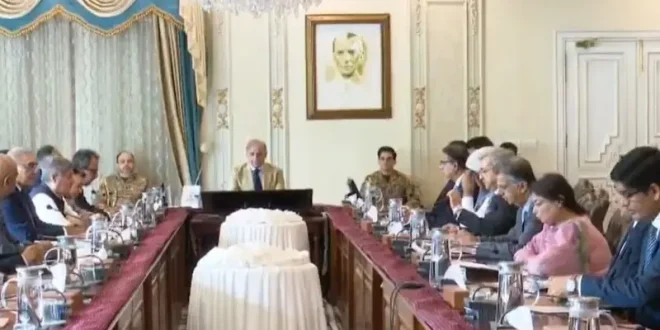
Prime Minister Shehbaz Sharif recently chaired a high-level meeting, where he ordered that the 100MW solar power project in Gilgit-Baltistan be completed as a top priority. This directive signals not just an acceleration of work but also a commitment to transparent execution, with an independent third-party validation mandated for every stage. Crucially, the Centre has pledged to bear all project expenses, underscoring its national importance.
This initiative is part of a broader federal solar energy push in GB. Authorities briefed the meeting on an ongoing 18MW solarisation project dedicated to government buildings across the region, with expected completion dates ranging from October to December. Furthermore, an 82MW solar energy project is underway, specifically designed to power households in key areas like Gilgit, Skardu, Chilas, and Khaplo. This comprehensive approach, combining large-scale generation with distributed household solar, aims to provide a robust solution to GB’s long-standing energy challenges. The 100MW project itself received formal approval from the PM in December, following its endorsement by the Executive Committee of the National Economic Council (ECNEC) in August 2025.
Background: Addressing Gilgit-Baltistan’s Persistent Energy Woes
Gilgit-Baltistan, a breathtakingly beautiful yet geographically challenging region, has historically grappled with severe energy deficits. Its mountainous terrain and harsh winters often render traditional power infrastructure development difficult and costly. The region primarily relies on hydropower, which, while clean, is inherently seasonal. River flows diminish significantly during winter months when demand for heating is at its peak, leading to prolonged power outages, sometimes lasting up to 20 hours a day.
These chronic power shortages have profoundly impacted daily life, hindered economic activities like tourism and small businesses, and restricted access to essential services such as healthcare and education. Moreover, Pakistan, as a whole, is keen to shift away from its heavy reliance on imported fossil fuels, which contribute to its massive circular debt and expose the economy to volatile global energy prices. The push for renewable energy in Pakistan, including solar and wind, is a strategic imperative to achieve energy independence, reduce carbon emissions, and meet international climate commitments.
Against this backdrop, the Gilgit-Baltistan solar project emerges as a timely and vital intervention. Solar power offers a resilient alternative, capable of generating electricity even when hydro sources are low, providing a much-needed stable and affordable power supply to the region’s 2 million residents. This move aligns with Pakistan’s broader vision for sustainable development and environmental stewardship.
Impact on Pakistan: A Multifaceted Boost
The successful and expedited completion of the 100MW Gilgit-Baltistan solar project promises far-reaching positive impacts, not just for the region but for Pakistan as a whole:
- Enhanced Energy Security: By diversifying GB’s energy mix, the project reduces its over-reliance on seasonal hydropower and expensive diesel generators. This contributes directly to national energy security by freeing up grid capacity elsewhere and reducing the need for costly fuel imports.
- Economic Upliftment for GB: Reliable and affordable electricity is a fundamental prerequisite for economic growth. The project will power local industries, enhance agricultural productivity, boost the burgeoning tourism sector, and attract further investment into the region, creating jobs and improving livelihoods.
- Improved Quality of Life: Consistent power supply will dramatically improve daily life for residents, ensuring access to lighting, heating, cooling, and communication. It will also bolster critical social sectors, allowing schools, hospitals, and public services to operate more effectively.
- Environmental Stewardship and Climate Resilience: As a clean energy source, solar power will significantly reduce carbon emissions in GB, aligning with Pakistan’s commitments under the Paris Agreement and its national climate action plans. This move contributes to the fight against climate change, which disproportionately affects mountainous regions like GB through glacial melt and extreme weather events.
- Model for Regional Development: The project can serve as a successful blueprint for implementing large-scale renewable energy solutions in other remote and underserved areas of Pakistan, fostering equitable development across the country.
- Technological Advancement and Capacity Building: Undertaking such a significant project fosters local expertise in solar technology installation, operation, and maintenance, contributing to the development of a skilled workforce in the renewable energy sector.
Analysis: A Strategic Shift Towards Sustainable Progress
Prime Minister Shehbaz Sharif’s direct involvement and emphasis on expediting the 100MW solar power project in Gilgit-Baltistan underscore a strategic recognition of the region’s importance and the transformative potential of renewable energy. This isn’t merely an energy project; it’s a testament to a broader national development philosophy.
Political Will and Prioritization: The PMO’s strong directive and the Centre’s commitment to bear all expenses signal high-level political will. This dedicated focus is crucial for overcoming bureaucratic hurdles and ensuring the timely delivery of a complex infrastructure project in a challenging environment. It indicates a shift from reactive problem-solving to proactive, sustainable development planning for GB.
Addressing Historical Development Gaps: For decades, Gilgit-Baltistan has faced significant infrastructure and development deficits. This project is a robust step towards rectifying some of that historical neglect, bringing modern, sustainable solutions to its people. It aims to integrate GB more firmly into Pakistan’s national development narrative, fostering a greater sense of inclusion and equity.
Sustainability and Resilience in a Climate-Vulnerable Region: Relying solely on hydropower makes GB vulnerable to the impacts of climate change, such as erratic rainfall patterns and glacial melt affecting river flows. By adding a significant solar component, Pakistan is building a more resilient and diversified energy infrastructure for GB, crucial for a region on the frontlines of climate change. This move fortifies the region against future energy shocks and ensures a more stable power supply.
Transparency as a Cornerstone: The directive for independent third-party validation is a critical element. It reflects a commitment to good governance, aiming to ensure accountability, efficient use of resources, and public trust. This measure is vital for a project of this scale and national importance, especially given past concerns about project management and corruption in infrastructure development.
Challenges and Opportunities Ahead: While the commitment is strong, challenges remain. These include navigating the region’s complex topography, ensuring adequate grid integration, managing logistical complexities for equipment transportation, and developing local capacity for long-term maintenance. However, these challenges also present opportunities for innovation, fostering local industries, and establishing GB as a hub for clean energy development.
In conclusion, the accelerated 100MW solar project in Gilgit-Baltistan signifies a pivotal moment for Pakistan. It represents a confluence of critical objectives: achieving energy security, fostering sustainable economic growth, mitigating climate change, and ensuring equitable development for all its regions. The successful execution of this project will not only illuminate homes and businesses in GB but also illuminate Pakistan’s path towards a greener, more prosperous future.
“`